
The second-best time
“The best time to start was years ago. The second-best time is now.”
People say it like permission.
It isn’t.
Starting late isn’t neutral. It’s heavier.
Waiting doesn’t keep options open. It closes them quietly.
Others build history. By the time you start, history already belongs to someone else.
The second-best time is now. Just don’t pretend it costs the same.
The distance between dots
Busy feels like progress. It isn’t.
Placing dots far apart feels smart. Each one stays safe. Each one avoids judgment.
Nothing connects. Nothing compounds. Nothing becomes visible.
Meaning doesn’t come from motion. It comes from proximity.
Dots placed close start to argue. They reveal patterns. They create a stain.
A stain is how others know what you’re doing. It’s how you know too.
Scattered work stays interesting. Dense work becomes legible.
People don’t follow ideas. They follow patterns they can recognize.
If no one understands what you’re building, check the spacing.
The worst decision
Not deciding is also a decision.
It’s the decision to keep the product vague. To keep the market broad. To keep the strategy reversible.
It looks harmless.
“We’ll see.” “Let’s wait.” “Let’s keep our options open.”
But while you’re not deciding, the work stays soft.
Nothing sharpens. Nothing commits back to you. Nothing pushes forward.
Choosing closes doors. Not choosing keeps you busy in the hallway.
And hallways don’t build anything.
Not deciding is a decision. And it’s usually the worst one of all.
Farmers, hunters, wizards
Every organization needs different kinds of work.
Some people maintain and grow what already works. They protect what exists. They make tomorrow predictable.
Some people chase. They move fast. They bring back what’s new.
Some people reframe. They see patterns. They change how the game works.
When all three are present, progress compounds.
The problem isn’t talent. It’s perspective.
Farmers see hunters as reckless. Hunters see farmers as slow. Wizards see both as stuck in the system.
And each is right — from where they’re standing.
Most people lead with one of these and carry a strong second.
That’s not the issue.
The trouble starts when one worldview gets mistaken for the worldview.
When maintenance is judged by exploration standards. When exploration is judged by farming standards. When insight is dismissed because it doesn’t look like effort.
Teams don’t stall because they lack skill. They stall because they lack respect for how others see the terrain.
You don’t unlock potential by winning the argument. You unlock it by seeing the whole field.
Counting cattle
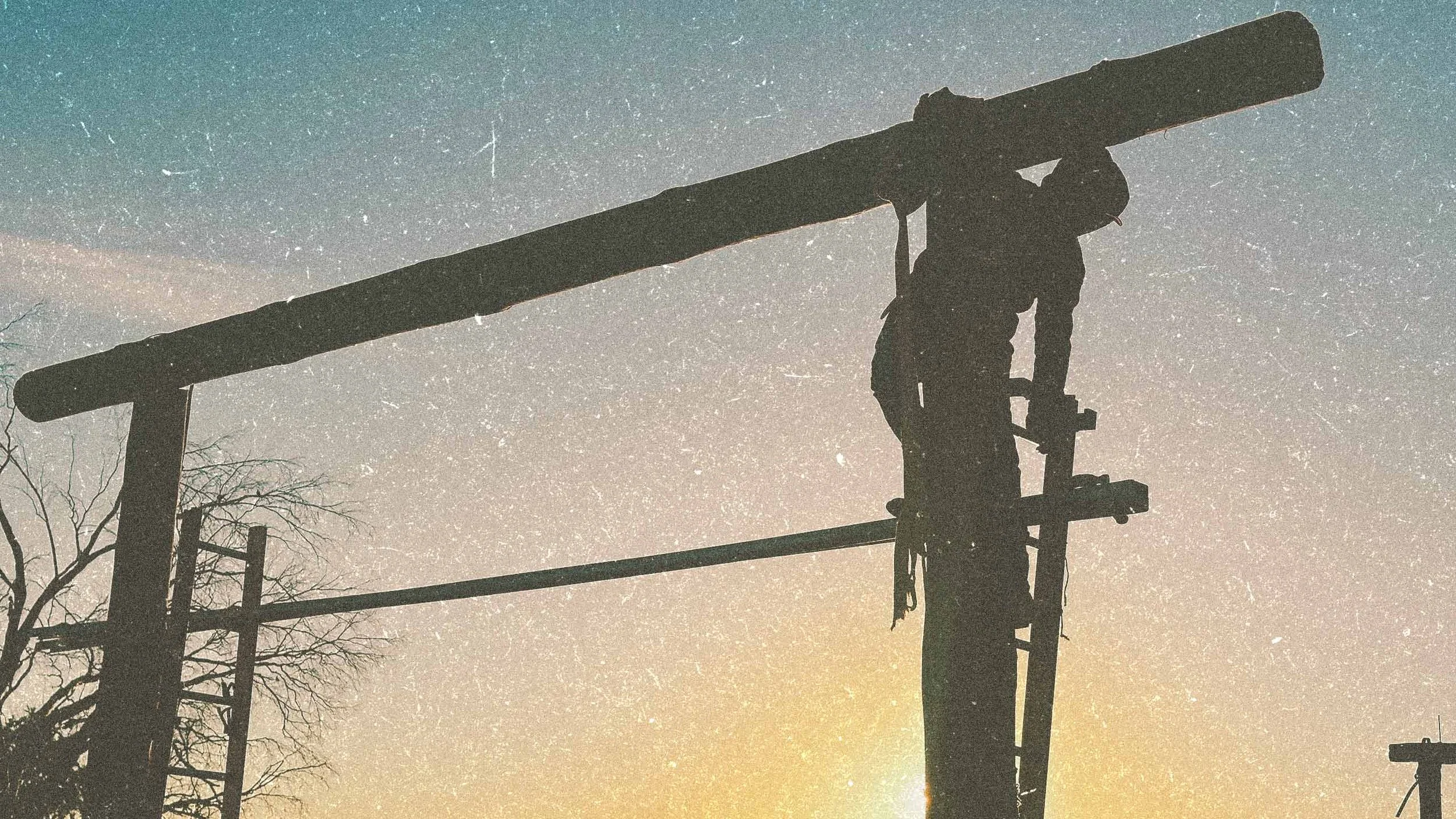
There are two kinds of people out here.
Some look over the fence to count how many head you’ve got.
They’re not checking on you. They’re checking themselves.
Others look over the fence to see if one’s missing. If the gate’s loose. If you need a hand before sundown.
Same pasture. Very different instincts.
You can feel the difference fast.
One kind makes the land tense. The other makes it work.
Pay attention to who shows up when things get thin. And pay attention to who you become when they do.
The empty polis
The polis isn’t politics.
It’s the space where a city — a society — decides things together. Beyond the family. Beyond the job. Beyond personal comfort.
It’s where promises stop being private and start carrying weight for people you don’t know.
For a long time, growing up meant moving outward.
First, you learned to keep promises at home. Then, you learned to keep promises at work. And eventually, you were expected to keep promises in public — to show up, take responsibility, and accept tradeoffs for something larger than yourself.
That step is the one we’ve been skipping.
Not because people don’t care. But because comfort made it optional.
We learned how to protect our private lives. How to optimize our careers. How to curate our opinions.
But we stopped practicing responsibility that doesn’t pay immediately, doesn’t feel safe, and doesn’t come with applause.
So the polis feels empty. Dysfunctional. Someone else’s problem.
The polis doesn’t empty itself.
The polis is empty because people stopped taking responsibility beyond themselves.
It doesn’t come back through outrage. Or opinions. Or voting once every few years.
It comes back the same way it was built:
When enough people decide to carry a promise that doesn’t benefit them immediately.
Who owns this?
Consensus used to mean alignment. Now it often means insurance.
If everyone agrees, no one is responsible.
That’s the quiet deal.
Put enough names on the slide. Enough logos on the deck. Enough voices in the meeting.
Now the decision is “shared.” Which really means unowned.
This is why modern consensus feels slow, polite, and hollow. Because risk gets spread thinner than insight.
So we add one more review. Not to choose. To soften the consequences.
Most ideas don’t fail. They get diluted.
Real progress starts when someone is willing to say: “This is my call.”
If no one owns the decision, don’t expect it to lead anywhere new.
Let it marinate
Flow is a liar.
It turns one direction into the direction. It turns momentum into certainty. It turns speed into truth.
That’s how good ideas lose their balance. Not by doubt. By locking in too early.
Marinating is the counterweight.
Not procrastination. Not perfectionism. A pause long enough to see what you missed while you were pushing.
Because the zone is great for making. Terrible for judging.
The trap is obvious: a pause can become a hiding place.
So the rule matters.
If I’m marinating, I’m still moving. I’m just moving slower than my adrenaline wants.
Ship too fast and you ship the wrong thing. Wait too long and you ship nothing.
Marinate the decision. Execute the direction.
Easy to replace

If it works, that’s expected.
If it’s polished, that’s fine.
If it’s efficient, good.
But none of that makes it chosen.
The world is full of things that work. Most of them disappear quietly.
What’s missing isn’t quality. It’s a point of view.
Years ago, someone reframed MVP. Not the product part. The personality.
Just enough spine to stop sounding like everyone else.
Without it, you’re a stranger. And strangers get compared on price, speed, and convenience.
Friends don’t.
Friends get forgiven. They get talked about. They get another chance.
You don’t need more features. You don’t need louder marketing.
You need one clear reason someone would miss you if you were gone.
Otherwise, you’re easy to replace.
Overkill
It’s overkill to design for the moment after the transaction.
It’s overkill to optimize for trust instead of speed.
It’s overkill to solve the problem behind the problem.
It’s overkill to leave margin for people to think.
It’s overkill to ask what breaks when things actually work.
It’s overkill to explain decisions to people who didn’t ask.
It’s overkill to write it down so the same debate doesn’t happen twice.
It’s overkill to act as if this interaction will be remembered.
It’s overkill to behave like today’s shortcut becomes tomorrow’s pattern.
That’s how it looks to people measuring quarters.
Progress is made by people measuring decades.
And the future belongs to the ones willing to overdo it.
Saying no isn’t enough
Ask someone young what they want to change and many will say, “The status quo.”
It sounds decisive. But it only tells you what they’re against, not what they’re for.
Saying no is easy. It doesn’t demand clarity. Or responsibility. Or any plan for what comes after.
You can reject the system without understanding it. You can critique the structure without offering an alternative. You can call for change without choosing a direction.
But rebellion isn’t a vision. It’s just a reaction.
And reactions rarely build anything that lasts.
The real opposite of the status quo isn’t defiance. It’s ownership.
Ownership begins when you pick a path, not just a complaint. When you start shaping something better instead of pointing at something broken.
Pushback is cheap. Building is expensive.
And change doesn’t come from saying no — but from choosing a yes.
What people remember
You can spend years mastering the craft. The degrees, the training, the reps. All the precision that takes a lifetime to build.
But the moment that stays with people isn’t the technical part. It’s the human part.
You can perfect the process, hit every metric, deliver exactly what you promised…
and still miss the thing they needed most: to feel respected, to feel understood, to feel like they weren’t just another task on your list.
It doesn’t take an hour to do that. It barely takes a minute. A pause. A look. A question that shows you actually care about the answer.
Skip that moment and the rest of your effort stops meaning much. Hit that moment and everything else you do lands deeper.
In work and in life, skill earns you a chance. But how you make people feel is what earns you trust.
And trust is the only thing that lasts.
Already here
It’s tempting to believe the answer lives somewhere else. In a future plan. In a foreign expert. In the next administration, the next investment, the next big arrival.
If the solution is out there, we don’t have to move yet. We just have to wait.
But Sonora already holds more than we admit. Talent that learns fast. Energy the world wants. A border position built for advantage. People who get to work before the crowd shows up.
Maybe the gap isn’t capacity. Maybe it’s conviction.
The future isn’t something we receive. It’s something we decide.
And Sonora’s moment starts the minute we act like it’s ours.
Seen or safe
If you show up, you won’t be judged accurately. You’ll be judged quickly. People fill gaps with guesses, and guesses rarely land clean.
But that’s the price of visibility — and the alternative is invisibility.
Most folks pick safe. Quiet. Low-friction. Unnoticed.
They trade the discomfort of being misread for the comfort of never being seen at all.
But here’s the twist no one likes admitting: invisibility doesn’t protect you. It just guarantees you don’t matter.
And nothing meaningful was ever built by the person who stayed off to the side, waiting for perfect conditions.
Showing up comes with risk. Staying hidden comes with cost.
Your call.
Quiet upgrades
There’s a kind of progress that doesn’t look like progress when it’s happening.
It doesn’t come with deadlines or deliverables. You can’t put it on a slide. It won’t impress anyone when you describe it.
It’s the moment you start asking better questions. The moment you notice the pattern before it repeats. The moment you catch yourself choosing a response you wouldn’t have chosen last year.
No drama. No heroics. Just a quieter version of you starting to steer differently.
This is the work no one mentions — the work that rewires how you operate when no one is watching.
Skills matter. Talent helps. But what actually compounds is the part of you that matures underneath all that: your judgment, your patience, your ability to stay aligned when things tilt.
By the time results show up, this work is already done. Already baked in. Already carrying you.
From the outside, it looks sudden. A leap. A surge. A moment.
But you’ll know better: it was the unseen choices that changed everything — long before anything looked different.
The hard choice
The person who keeps delaying a promise because “no one will notice.” The engineer who rounds the corner on quality just to save an hour. The entrepreneur who lets a small lie slide because it helps close the deal. The leader who avoids the hard conversation and calls it diplomacy. The friend who says yes when they mean no — and pays for it twice.
It never looks like a big betrayal. It looks small. Reasonable. Practical. Until it isn’t.
Cowboys used to say a man’s word was his shadow — it went everywhere he did. Lose it, and you walked alone.
Integrity works the same way. Not the heroic kind. The daily kind. Fair dealings. Straight talk. Owning your misses before they own you.
None of it makes you rich. None of it makes things easy.
But all of it makes you steady.
And steady is the only place peace ever shows up.
Integrity is the hard choice. Made early. Made often. And always worth the weight.
The long view
At BI5ON, we like December. The air cools, the noise drops, and the year finally slows enough for you to see past the day-to-day.
It’s the month that quietly asks: Were you building what matters, or just staying busy?
And it gives you room to aim next year a little braver — without letting the rational voice shrink the horizon.
Logic protects the present. Imagination builds the future.
December is where you choose which one leads.
Firelight
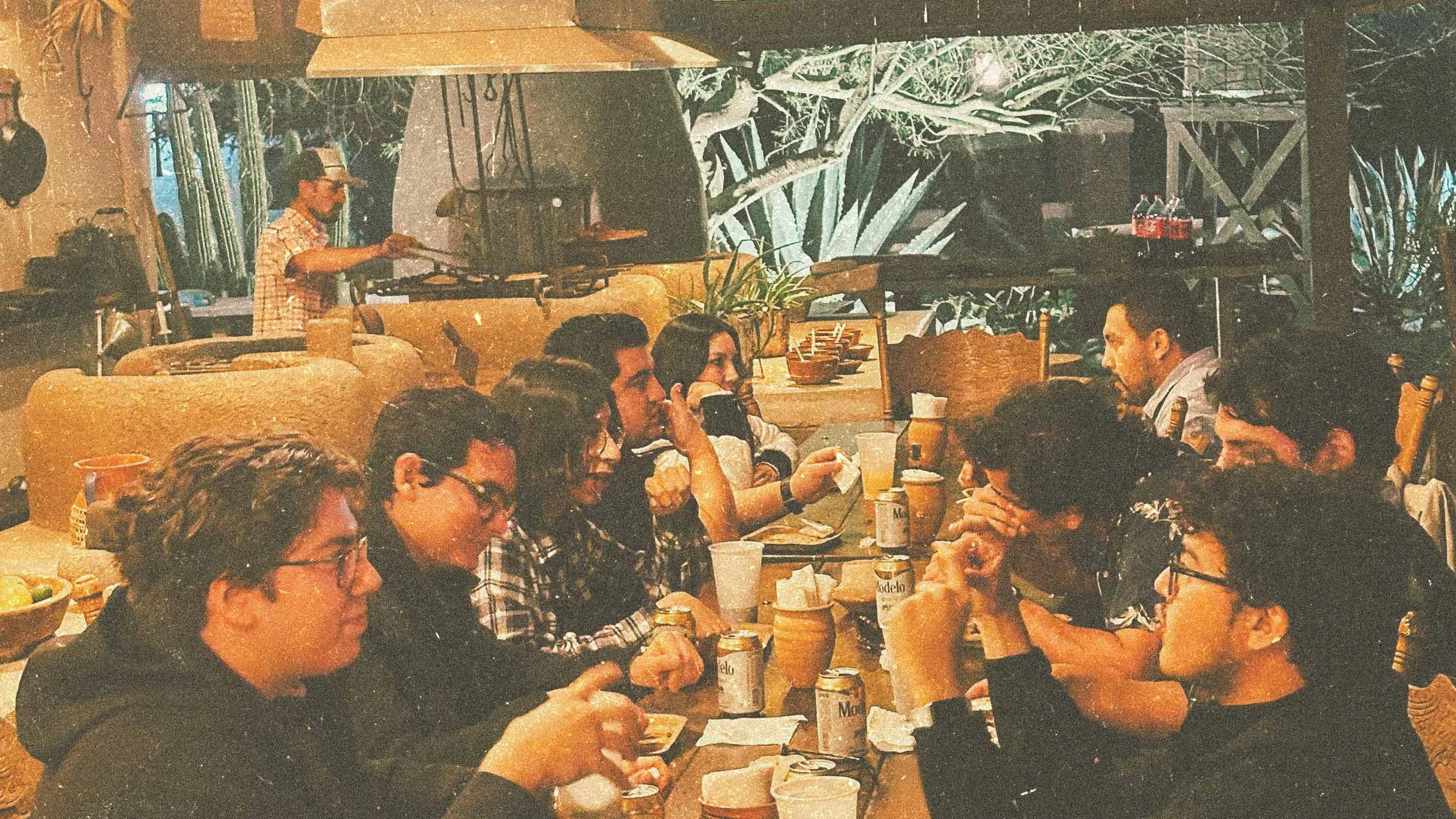
We spent an evening at the ranch with the instructors from Semicon Desert’s first challenge — the same group that had just carried two intense weeks of work on their shoulders.
What stood out wasn’t the workload. It was the way they showed up. Clear-eyed. Curious. Talking about the craft as if it were a path worth committing to, not just a task to complete.
They compared notes. Shared what surprised them. Traded ideas on how to push the next round further. No competition. No posturing. Just people serious about getting better together.
It reminded me of the early software meetups in Hermosillo years ago. Small rooms. Big hunger. Those gatherings didn’t look special at the time — but they ended up shaping a generation.
Chip design has the same feel, only with steeper ground. It’s not something you learn in isolation. It’s passed along. One person’s hard-earned intuition becoming someone else’s starting point.
That’s what made the night matter. Not the setting or the food —
but the sense that a community is forming around a craft that demands this kind of closeness.
In the firelight, you could see the beginning of something that grows quietly at first… and then suddenly changes what a place is capable of.
The loops we feed
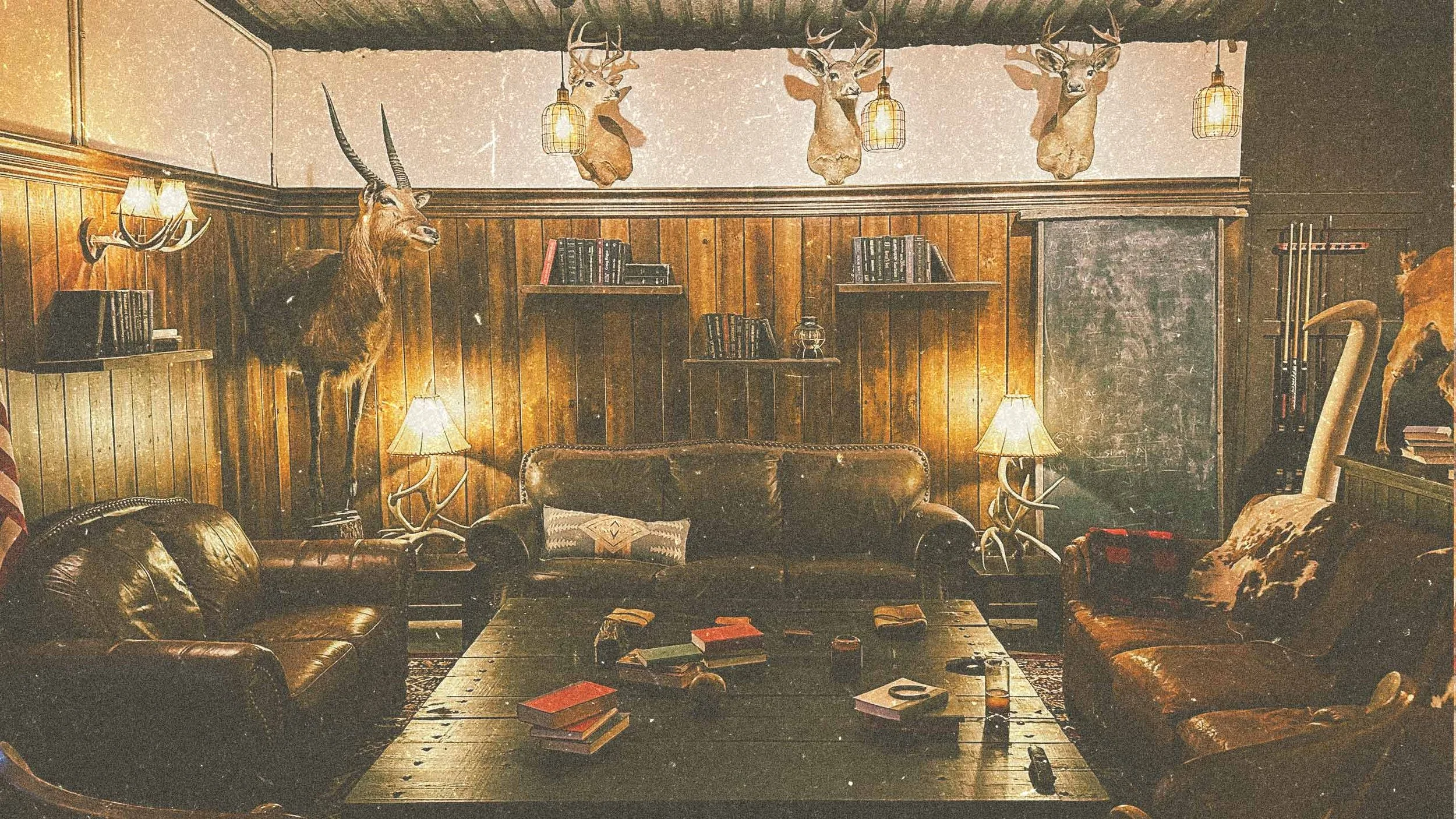
Some folks make their money one way and then spend the profits making sure nothing ever changes. New tools, new tech — all used to guard the same old habits. Doesn’t matter if the land gets tired or people get squeezed. If the model pays, the instinct is to fortify it.
That isn’t greed. It’s fear wearing nice boots.
But there’s another kind of builder. The kind with nothing to protect and plenty to imagine. They use new technology to redraw the map — cleaner methods, fairer systems, a shot for anyone willing to step forward. Not because they’re noble. Because they’re free.
Both instincts live in us. The one that defends the present… and the one that dares the future in.
The world we get depends on which one we feed.
Quiet Lessons
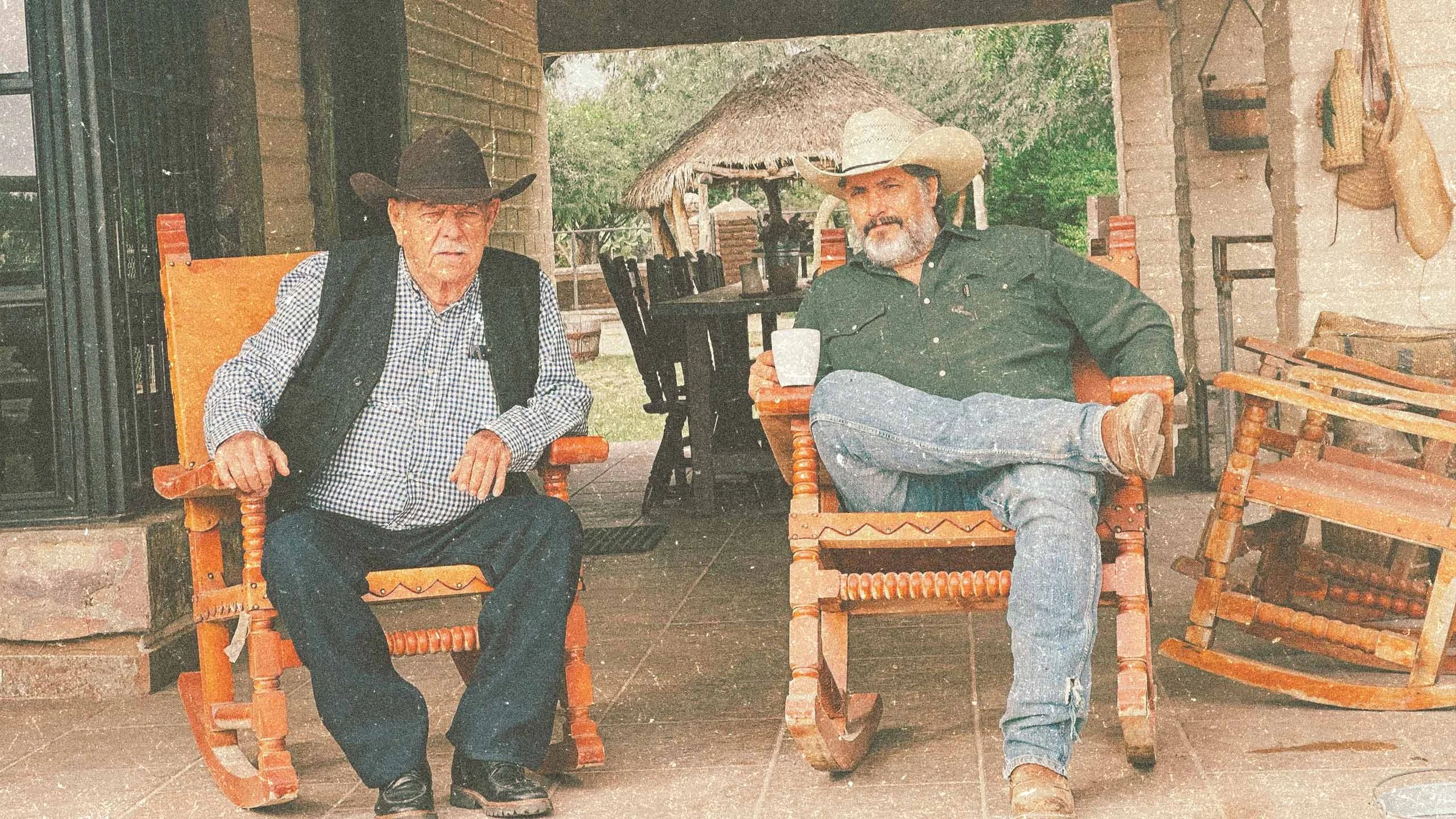
Some things aren’t taught. They’re handed over — quiet, steady, without anyone naming the moment.
You learn what matters by watching someone live it. How they show up. How they treat people. How they carry the hard days without letting the hard days carry them.
Values don’t travel in speeches. They travel in small habits — the way a cup is shared, the way work is finished, the way someone listens without needing the last word.
That’s how one generation leaves something real for the next. Not by talking louder. By living clearer.
Quiet lessons go farther than proud ones. They stay put. They hold shape. And one day, without noticing, you pass them on too.