
Your friends have more friends than you do
It’s strange, but it’s math: your friends really do have more friends than you.
And that small truth explains why change spreads the way it does.
It’s never the billboard. It’s never the announcement. It’s the person everyone quietly listens to — the one whose choices echo across a dozen circles.
Your neighbor buys the electric car. Your colleague shows up with one. Your sister says she’s thinking about it. Three signals from three directions — and suddenly the new thing doesn’t feel new anymore.
That’s complex contagion: ideas don’t spread because one loud voice said so. They spread because a few trusted people say the same thing at the same time.
And that’s where the minimum viable audience comes in.
You don’t need the whole field. You need the smallest group who already leans your way — the ones whose “yes” carries weight. Delight them, and two things always happen:
they’re bigger than you thought, and they tell the right others.
But aim for the masses, and you end up building for no one.
Change doesn’t start with reach. It starts with reinforcement. With a tight circle whose trust muscles the idea forward long before the crowd even knows what’s happening.
Your job isn’t to shout louder. It’s to find the few who make the whole thing move.
The seat you don’t take
Every day, you skip a moment you were meant for.
A call you don't make. A chance you don't take. A table you don't sit at.
And the quiet truth: life doesn't leave your seat empty. Someone else steps in, and their version becomes the story.
Not because they're better. Because they showed up.
You don't need to be everywhere. Just in the places that matter.
Miss those, and the world writes around you. Show up, and it bends.
Fill your own seat. Or watch someone else take the story.
The trail you can’t ride alone
Big things don’t start with one rider. They start when enough riders decide the work matters.
Right now, 243 students from 11 universities are deep in the training phase of Semicon Desert’s first AI Sensor Challenge — learning real engineering, building real prototypes, and proving Sonora’s got more talent than anyone’s bothered to count.
That’s what Semicon Desert is for: hands-on capability, cross-border, built through doing.
And running next to it is ATP-Ready Sonora — preparing the region for the companies coming next. One builds the talent. One builds the ground. Same direction, different work.
But here’s the part people miss:
None of this happens without the hands behind it. Researchers, faculty, engineers — advisors stepping in when they could’ve stayed on the sidelines. A region beginning to move as one, not because someone ordered it, but because people see the value in the work.
And holding the whole challenge together — the outreach, the matching, the follow-up, the structure that keeps 62 teams moving — is Aned de León and her crew. Quiet work. Heavy work. The kind that makes everything else possible.
That’s collective impact. Not speeches. Not signatures. Just aligned effort — repeated enough times that momentum starts to feel like inevitability.
The challenge isn’t over. The hardest part is just beginning. But the signal is already clear:
When people ride the same trail — students, companies, universities, both sides of the border — capability stops being a dream and starts becoming a habit.
You want to change a region?
Don’t ride alone. Build the kind of trail others can ride with you.
The new language
My father was a forward-thinking man — usually a step ahead of his time, able to see shifts long before the rest of us felt them. And he used to tell me something simple, almost casual: “Son, listen— a person who speaks English earns like two.”
He didn’t say it as a slogan. He said it as a warning — learn the language the world trades in, or you’ll spend your whole life catching up.
He was right. English wasn’t just grammar. It was access. It doubled your reach, your chances, your usefulness. It was the productivity language of his generation.
Then my generation got a new one. It wasn’t English — it was the early Internet. If you could set up your own website, tweak HTML, mess with CSS, publish your work, tell a story online, build a little audience… suddenly you were two people at once: the operator and the publisher, the builder and the amplifier.
That was the second language of our time: digital fluency — code just enough, write well enough, ship fast enough. It made a whole class of people twice as productive and twice as dangerous in the best way.
Now comes the third.
And most folks don’t see it yet.
Today’s “English” — the next great multiplier — is AI fluency paired with protocol fluency (Web3 in the real, boring, powerful sense: identity, ownership, trust, programmable transactions).
AI is not a tool. It’s a second mind — a force multiplier hiding in plain sight. Those who learn to think with it, build with it, and let it extend their craft won’t be 2× as productive. They’ll be five. Whole teams inside one head.
And Web3 — not the hype, not the coins — but the skill of designing systems where value, identity, and proof don’t depend on gatekeepers — will do to institutions what the Internet did to media.
Every generation gets one shot at the new language. My father had English. I had the early web. This generation has AI + protocols.
Miss it, and you’ll spend a decade trying to close the gap. Learn it early, and you’ll shape more than your income — you’ll shape what your region builds next.
The tools change. But the rule stays the same:
The future goes to the ones who learn the new language fast enough to use it before everyone else does.
For the right reasons

Institutions don’t fail from lack of ideas — they fail from lack of people willing to fix real problems, inch by inch.
If you want money, build a company. If you want applause, chase a different stage.
But if you step into government, step in to serve.
To mend what’s broken. To lift what’s heavy. To make life better for people who rarely get a say.
Don’t join for what it gives you. Join for what the place needs.
The future of a region depends on the people who enter public service for the right reasons — and do the work that actually moves lives forward.
Second wind
It doesn’t hit in your twenties. It hits when you’re done proving things to folks who weren’t watching anyway.
One morning you wake up and the noise is gone — the rush, the show, the chasing. What’s left is the work you actually care about.
And that’s when the second wind shows. Not the fast kind — the steady kind. The kind you get when your stride finally matches your purpose.
Age doesn’t slow you. Pretending does.
Drop what’s borrowed. Keep what’s true.
That’s the wind you ride the farthest.
The empty saddle

You don’t notice someone’s value when they’re here. You notice it the day they’re not.
Suddenly the small things stop happening. The tasks no one talked about — don’t get done. The problems they quietly prevented — show up loud.
An empty saddle tells the truth — who was carrying the weight, and who was just along for the ride.
And when the gap appears, everyone’s exposed. Some freeze. Some wait. A few step in without being asked.
That’s real leadership. Not titles. Not meetings. Just the instinct to carry what needs carrying.
Empty saddles don’t break a place. They reveal it.
Summer showers

Some people carry whole regions on their backs and somehow leave no footprints.
You know the type — the ones who fix the water line without a meeting, who solve the talent gap one student at a time, who build trust quietly, like stacking stones in the dark.
They don’t trend. They don’t ask. They don’t wait for applause.
But they’re the reason anything works.
If you have reach, resources, or a chair at the big table, you’re not supposed to sit taller. You’re supposed to raise the floor.
Magnify the hands that hold the place together. Pull their work into the light. Give them the microphone, the budget, the room.
Because storms get headlines, but it’s the summer showers — slow, steady, unglamorous — that keep the land alive.
The quiet mistake
Most people aren’t defeated by bad decisions. They’re defeated by no decisions.
A student waits for clarity. A founder waits for timing. A leader waits for alignment. And the waiting feels responsible… until they realize they’ve handed the wheel to whatever tide happens to be passing by.
Drift is sneaky like that. It doesn’t feel wrong — it feels quiet. But quiet isn’t progress. It’s just the world choosing for you.
You don’t need the perfect choice. You need a choice. A line in the sand. A step that says, “this way,” even if you’re not totally sure yet.
Because action creates information. And hesitation just creates stories you’ll have to untangle later.
Pick something. Move toward it. Adjust as you go.
Clarity doesn’t show up first. Momentum does.
Past the map

It’s the oldest trick in the book — folks who just learned the map start acting like they drew it. Beginners mistake familiarity for mastery, and confidence for truth.
Real experts sound different. They ask more questions. They talk less. They know where the edges are — because they’ve ridden past them before.
The danger isn’t ignorance — it’s thinking you’ve got nothing left to learn. That’s when the blind spots grow.
The best hands keep learning even after they look like they know — because the land has a way of reminding you: the moment you think you’ve seen it all, you’ve barely started.
Dance with it
Fear never leaves. It just changes clothes.
You don’t beat it by getting braver. You beat it by moving anyway — with it, not against it.
Most folks wait for courage to show up before they act. The ones who get somewhere know it’s the other way around.
You dance first. Courage joins later.
B5 Is Coming Together
Every week, the place feels a little more itself.
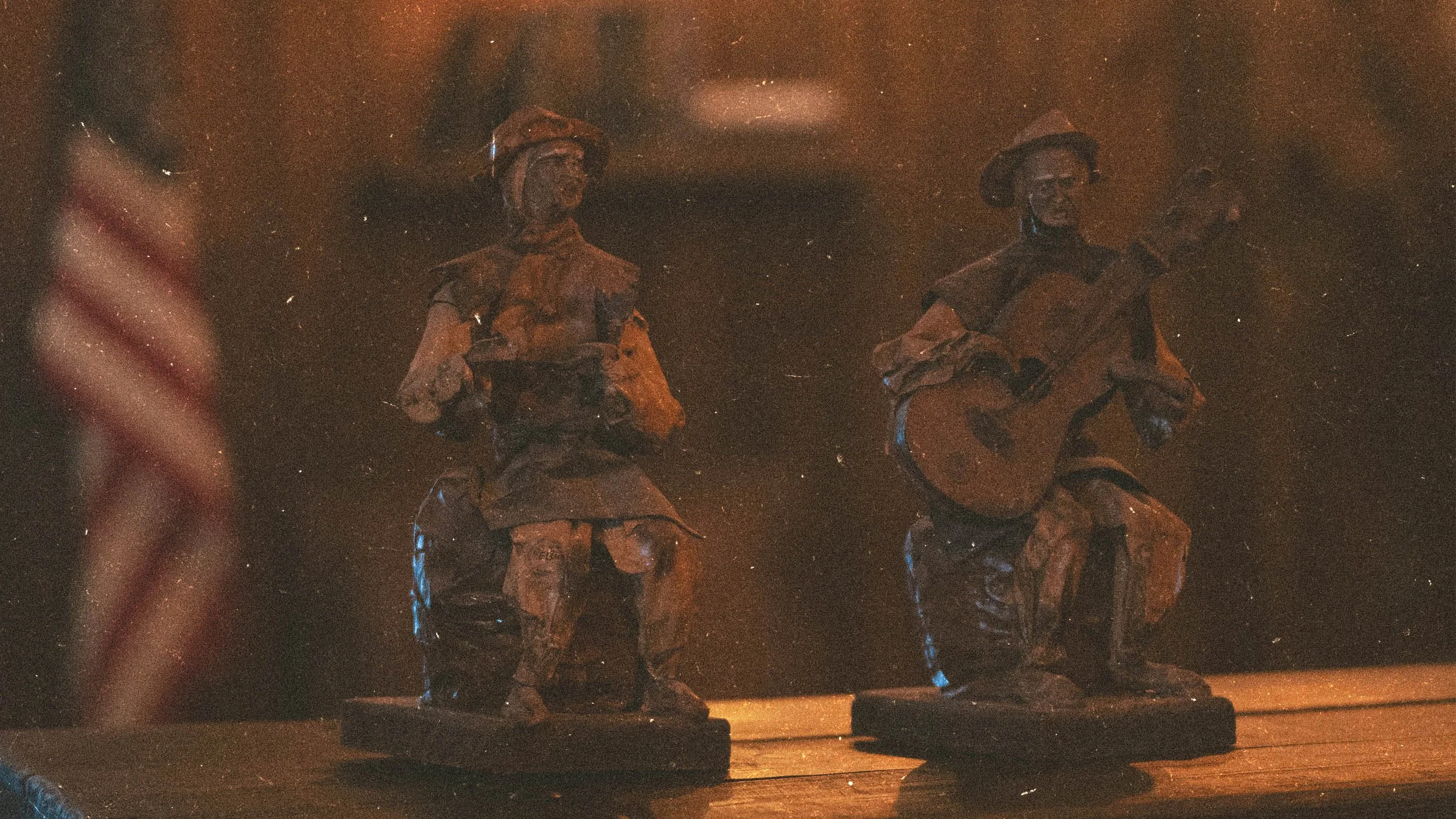
The hornillas are burning again — the adobe oven back in use, the smell of mesquite in the air. We finished the underground pit for Sonoran-style cooking — slow fire, deep flavor. The Outpost bar’s open too — part honky-tonk, part meeting ground, where ideas and songs share the same table.
Three new colts this season — good stock, curious and quick. And the foreman welcomed his third boy — three sons and a daughter now, a whole new crew learning the rhythm of the land.
The dam’s full again. The rains were good this year, and the land’s giving back — green, alive, generous.
B5’s becoming what we hoped for: a working place that teaches patience, rewards care, and reminds us that every corner matters when you’re building something meant to last.
The BI5ON Code isn’t written here. It’s lived — in every post set straight, every fire kept burning, every next generation raised to keep the land alive.
The compass fallacy
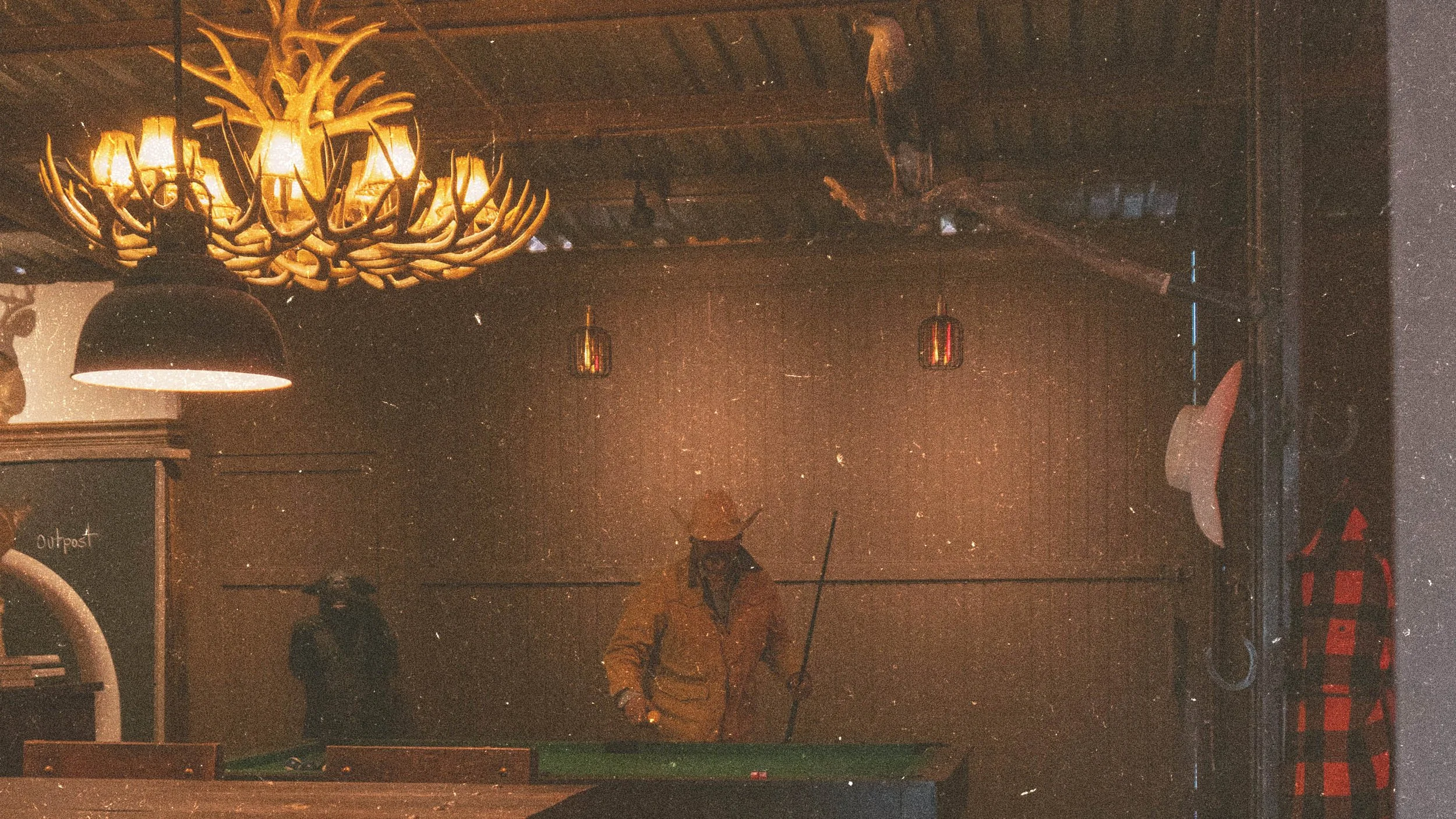
Working on slides makes you look smart. But slides don’t find water.
There’s a kind of progress that happens indoors — neat charts, clean logic, the comfort of knowing where north is. And there’s the other kind — boots in the dark, one lamp, one pick, one compass that only works half the time.
Both matter. But don’t confuse the one that points with the one that moves.
The map won’t change until someone steps off it. And the best discoveries never started with perfect data — just someone willing to trust direction long enough to find new ground.
The part that holds

Tools change. Methods shift. We move from paper to pixels, from handshake to tap.
But what doesn’t change is what we’re chasing underneath it all — to be trusted, to be useful, to be proud of the work.
New can make things faster, easier, even better. But it can’t replace meaning. That still comes from the same place it always has — doing the work right, and doing right by others.
The world updates. Values don’t.
Still empty
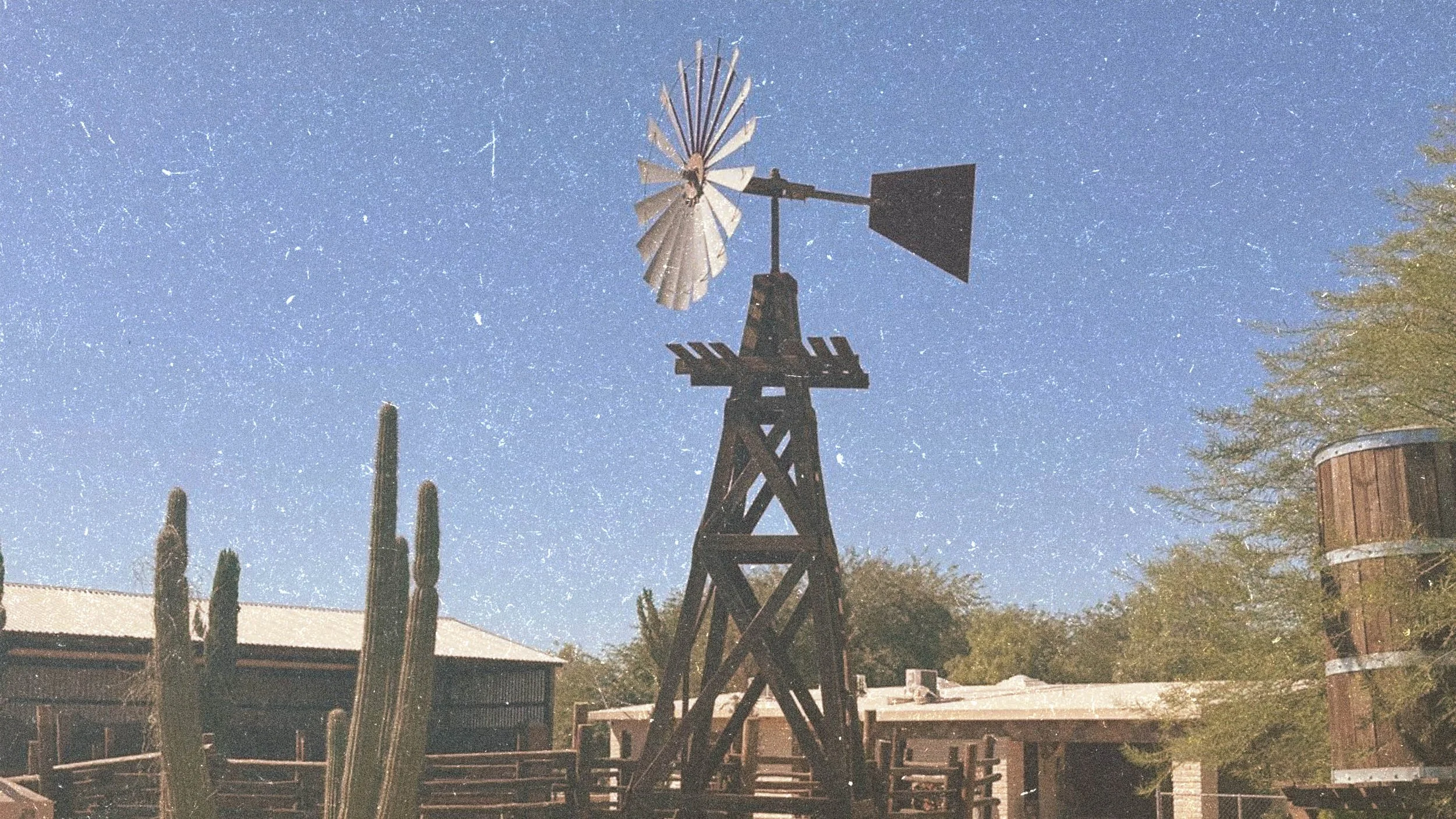
You hit the goal. Sign the deal. See your name where you once dreamed it’d be. And for a minute, it feels like you’ve arrived.
Then you start watching yourself. The numbers. The praise. The story you’re telling about the story you’re living.
And that’s when it slips — the work loses its edge, the hunger dulls, the meaning fades into mirrors.
The more you look at it, the less it feels like yours.
You think you’re chasing progress, but you’re just chasing your own reflection.
The emptiness isn’t failure. It’s a warning — to stop looking, and start doing again.
The adaptation effect
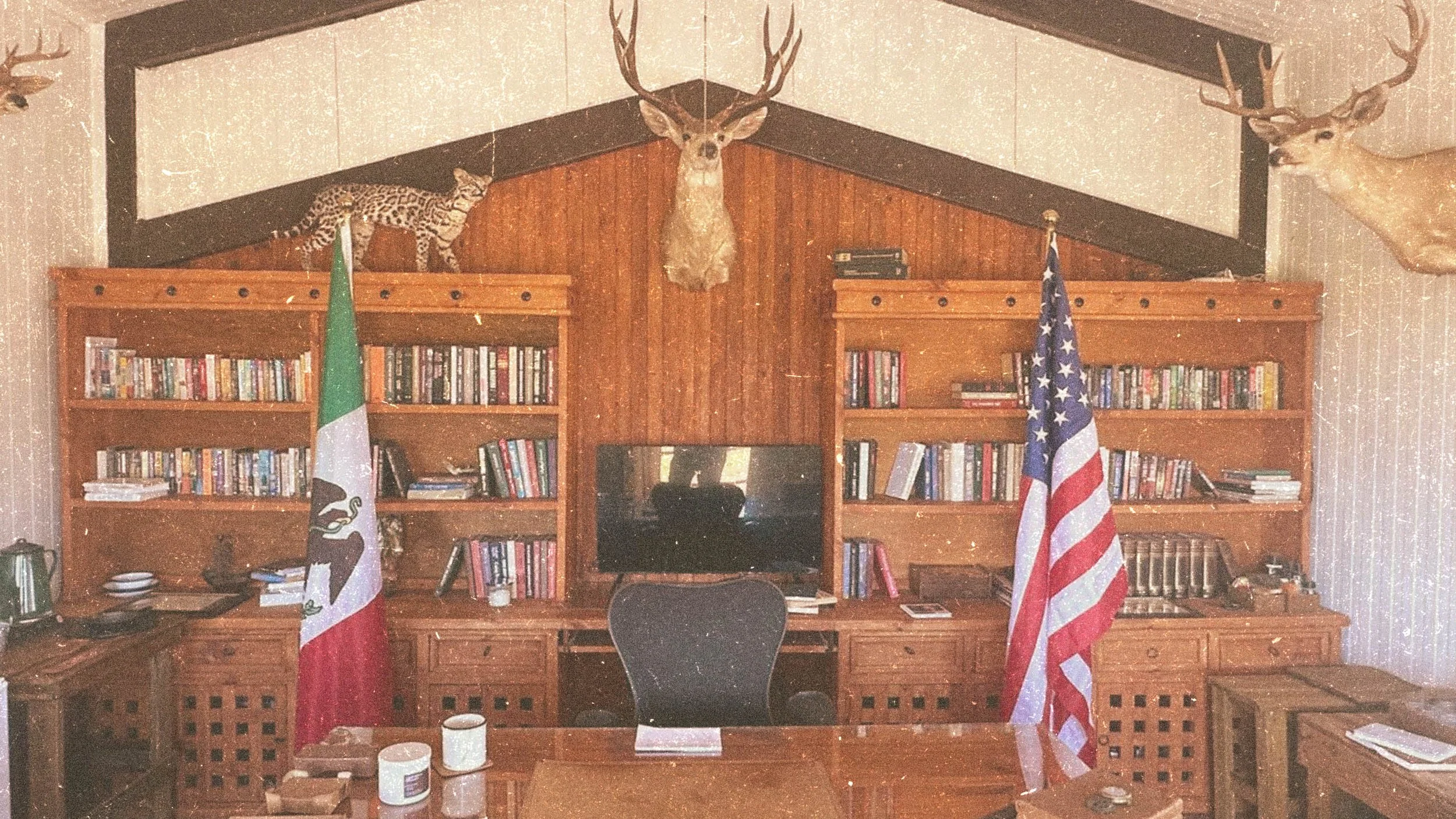
It’s not the biggest herd that survives the drought — it’s the one that moves first.
You see it everywhere. Companies that once ruled the market, gone. Tools that built fortunes, forgotten. Ideas that sounded eternal, outdated before the ink dried.
The ground always shifts. Those who last don’t fight the change — they read it. They watch where the dust’s blowing, and turn before it blinds them.
That’s the real edge — not strength, not size. Just the humility to learn faster than things break.
The storm never asks who’s toughest. It only asks who’s paying attention.
The network that gives back

The first networks ran on trust. You shared, I shared, and we both got stronger. That’s how the web began — one honest exchange at a time.
Then came the platforms. They kept the growth, but not the fairness. Your clicks trained their machines. Your time built their empires. The network still worked — just not for you.
Now AI runs on what people gave away for free. And blockchain — slower, transparent, unbending — is trying to take some of it back. To build rails everyone can use, not just the few guarding the gate.
So before you build the next big thing, ask yourself: Does every new hand that joins gain strength — or just give more of it up?
Because networks don’t stay neutral. They either serve the people who build them, or feed on the people who do.
Fair ground doesn’t just appear. It’s built — piece by piece, by people who refuse to take more than they give.
Most networks end up serving the few. The work now is to build the kind that gives back.
The gift of scarcity
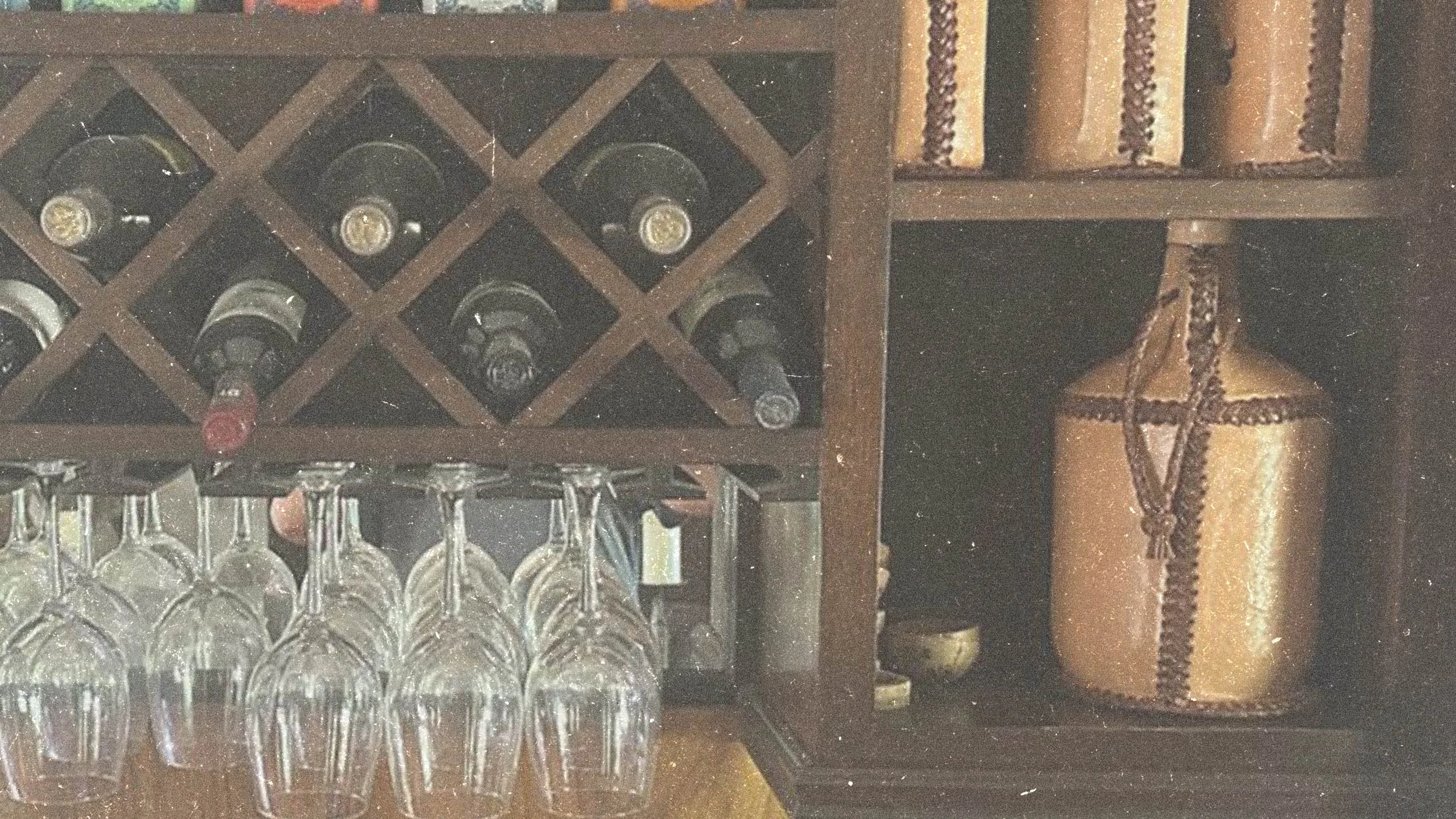
Plenty makes folks soft. Too much feed, and even good horses get lazy.
The best hands I’ve known learned in the lean years —when wire was short, when parts were patched, when you fixed things with grit instead of gear.
Scarcity’s a tough teacher, but its lessons stick. It don’t hand out comfort — it hands out clarity. It shows you what matters, and what you can do without.
Big budgets build noise. Tight ones build nerve.
Every strong outfit started hungry — no fancy tools, no safety net, just will.
That’s the gift of scarcity. It strips you down till only the real stuff’s left — and that’s the part that lasts.
The wrong trip

Most failed ecosystems don’t fall from bad ideas. They fall from polite agreement.
Everyone nods in meetings — government, business, universities — but few say what they really think. And before long, the whole region’s halfway to Abilene, working on plans nobody truly believes in.
That’s how alignment turns into drift. Money gets spent, reports get written, and the work loses its edge.
Real integration needs friction. The kind that tests ideas, not egos. The kind that builds trust by earning it.
Progress doesn’t come from silence. It comes from saying, “this part’s not working,” and staying long enough to fix it.
If the trail feels off, stop the convoy. Better a pause now than another trip to nowhere.
Moving targets

Opportunity doesn’t wait around. It moves — like weather.
Carlota Perez says it rides on two currents: time and place. The right technology at the right moment. The right region ready to catch it.
Miss either, and it passes you by.
That’s what makes growth hard. It’s not about knowing what’s coming — it’s about being ready when it does.
Sonora’s in that window now. Clean energy. Advanced manufacturing. Semiconductors. All shifting fast, all looking for steady ground.
The question isn’t if the wave’s coming. It’s whether we’ll be lined up when it hits.
That’s what the BI5ON Executive Briefing Center helps leaders see — where the window’s open, and how long it’ll stay that way.
Because timing fades. But the ones who read it right — they build what lasts.