
Not eager
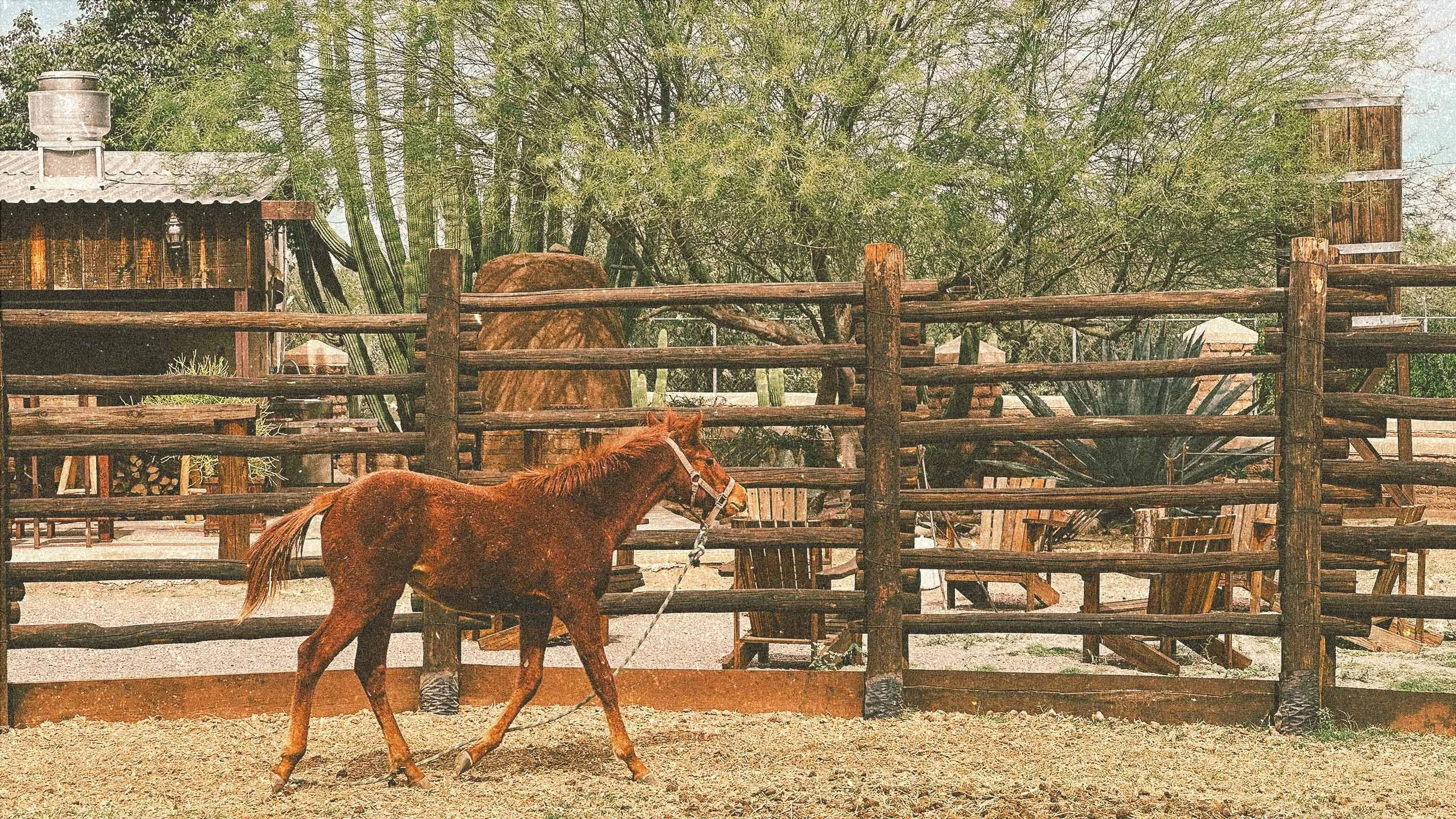
Spend enough time around ranchers or in small towns and you notice it.
They don’t rush to speak. They don’t fill silence. They don’t volunteer themselves into the center of the room.
It’s not shyness.
In places where memory is long and reputation compounds slowly, eagerness is expensive. Talking too fast, agreeing too quickly, offering too much—these are signals. And not the ones you think.
Status there isn’t rented through visibility. It’s accumulated over time.
The one who speaks first risks lowering himself. The one who waits is measuring.
In cities—and online—it flips.
Speed looks like confidence. Volume looks like relevance. Certainty performs well.
So people learn to step forward quickly. To respond first. To be seen.
Move between these worlds without noticing and something breaks.
Digital eagerness in a room that values patience reads as insecurity. Rural silence in a room that requires clarity reads as absence.
Same person. Different outcome.
In some rooms, eagerness lowers you. In others, silence erases you.
The discipline isn’t noise or quiet.
It’s knowing where you are.
The center

You can measure your leadership by how much you carry.
Or by how much capacity grows around you.
When everything depends on you, you’re essential.
When others expand, you’re no longer the center.
Prosperity that must pass through you stops there.
Prosperity that expands beyond you multiplies.
Still invited
The advisor who asks for your strategic plan “just to understand the context,” then uses it to shape a parallel initiative.
The founder who says he’s exploring a partnership while quietly benchmarking your pricing for his own pivot.
The collaborator who insists on transparency, except when it’s his move that benefits from opacity.
The operator who volunteers to “coordinate the effort,” then positions himself at the center of every decision.
The executive who requests full visibility into your roadmap, but shares only fragments of his own.
The peer who asks you to speak openly in confidence, then selectively repeats what serves him.
None of it is explosive.
It’s deniable. It’s almost reasonable.
Until you keep giving them access.
Integrity rarely collapses in one act. It spreads through tolerance.
And the person it changes first isn’t them.
Default story
You don’t publish because you have something to say.
You publish to decide what stands.
A region is shaped by repetition.
What gets published, gets normalized.
What gets normalized, gets funded.
What gets funded, gets built.
Silence isn’t neutral.
Silence transfers power.
The microphone doesn’t stay empty.
If you don’t define what matters, someone with an agenda will.
SOFT POWER
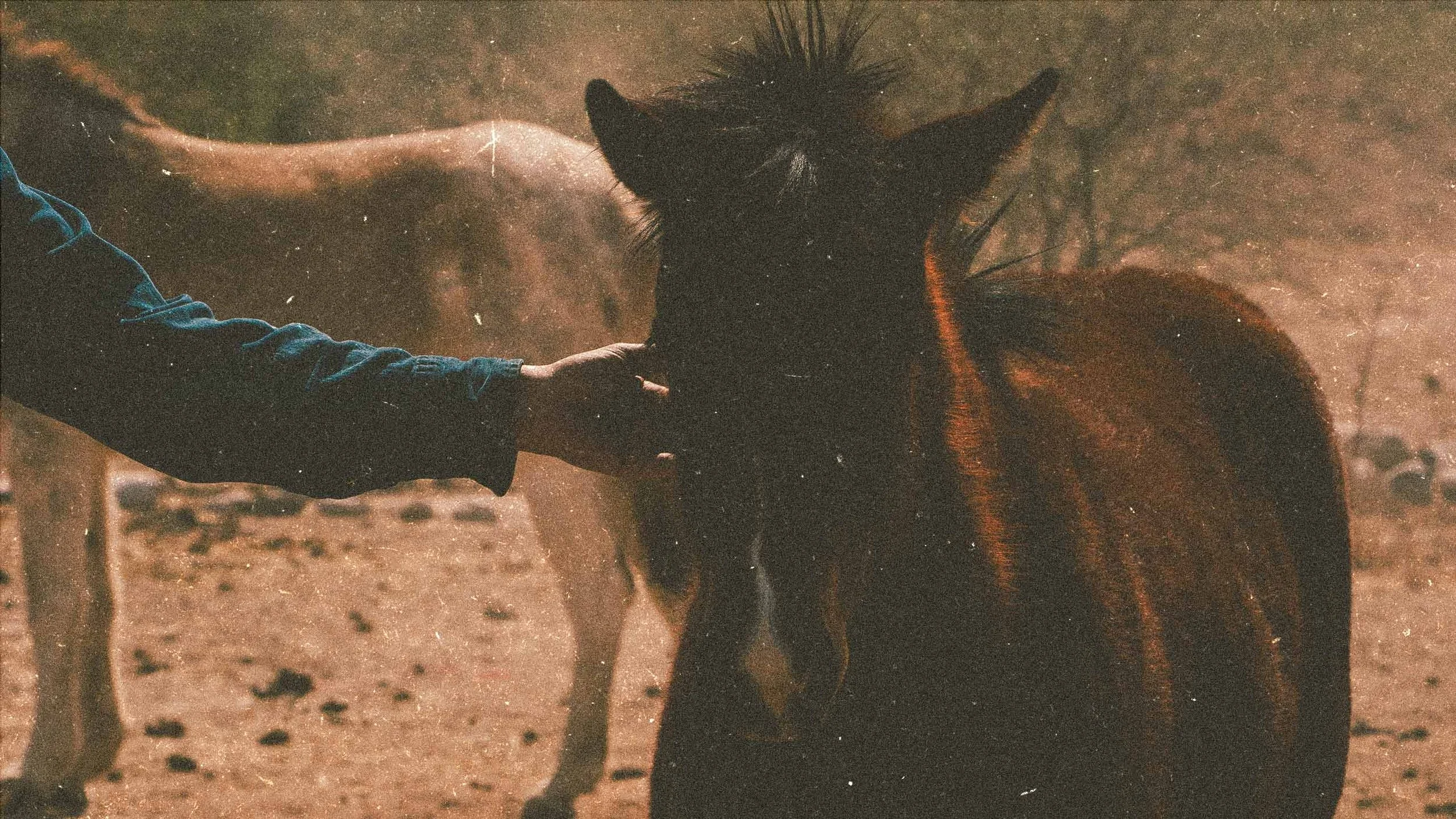
No raised voice. No reminder of rank. No threat.
And still, the room adjusts.
No one was told to.
They just do.
You can’t demand it.
The moment you push,
it’s gone.
Approved version
A project has a plan.
A movement has a belief.
A project has owners.
A movement has volunteers.
A project protects the message.
A movement lets other people tell it.
A project reduces risk.
A movement creates it.
That’s the difference.
If you can still approve every part of it—
it hasn’t begun.

Shared fire
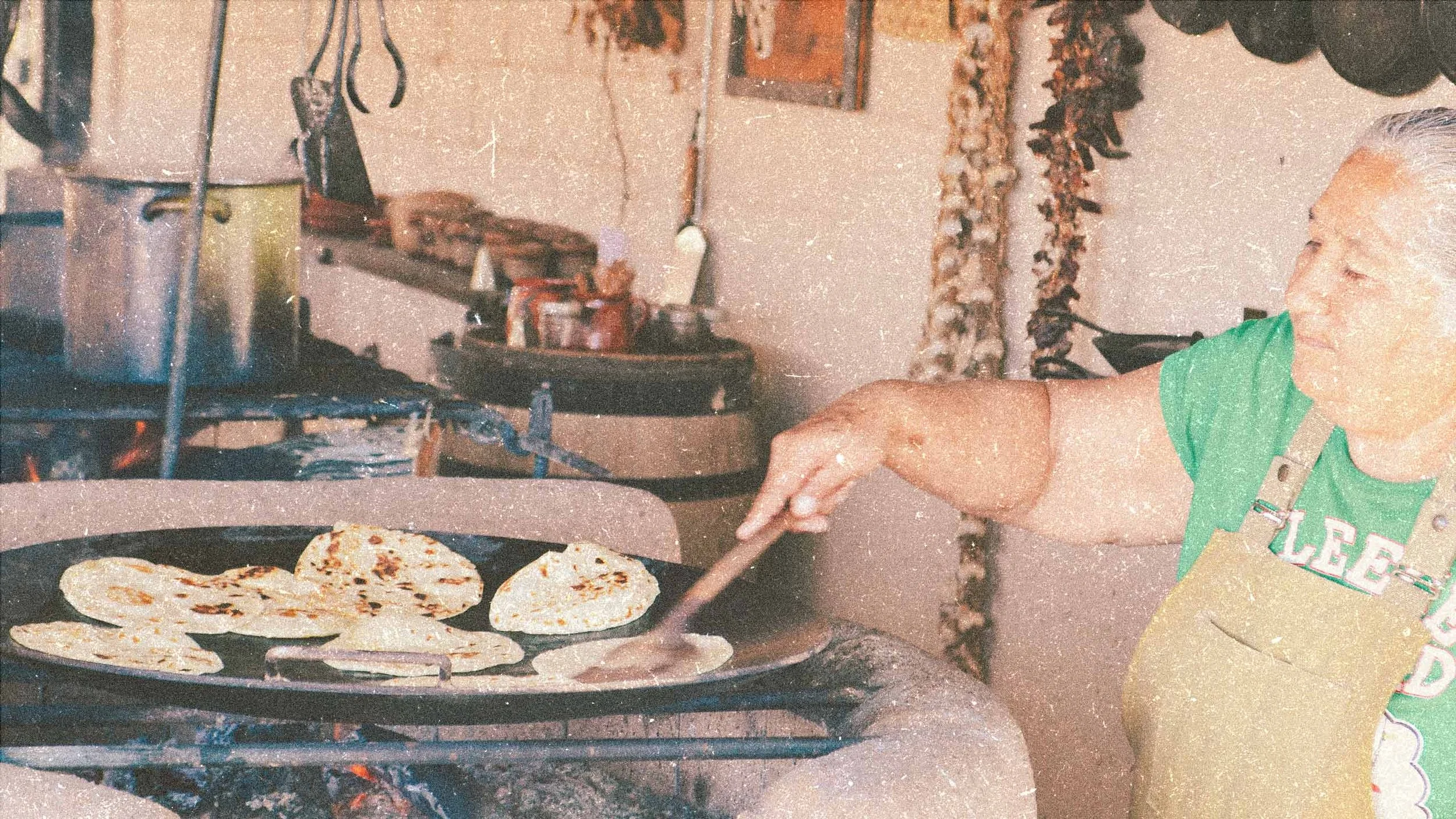
It began with a smoke kitchen. A bar. A fire.
At first, you decided what was cooked. What music played. Who was invited.
Then it started shifting.
Once the fire was steady, others began using it.
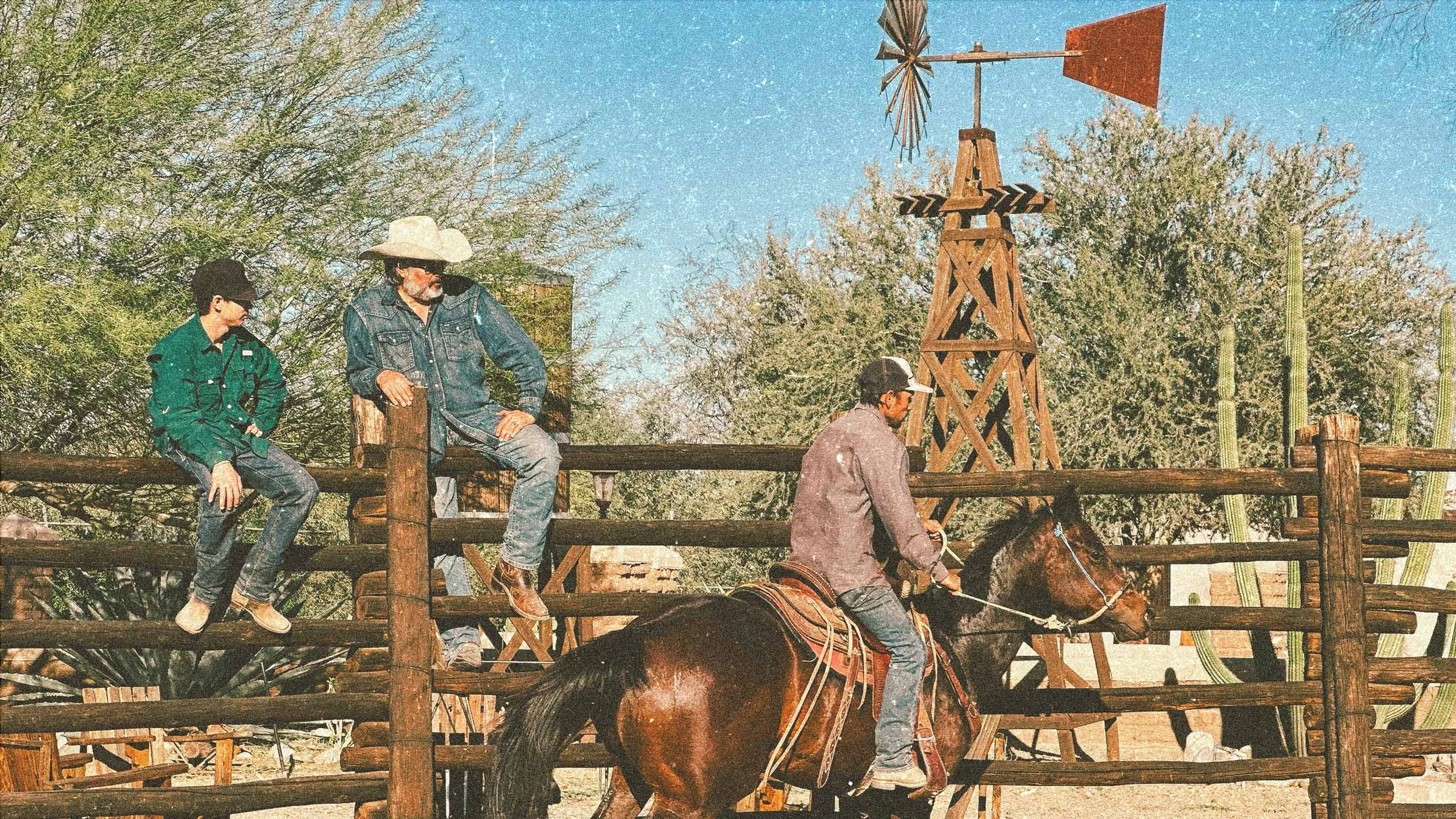
The foreman’s family prepares gallina pinta, pozole, menudo. The cook runs breakfasts and lunches. Visitors suggest design details to keep it authentic. Friends propose proper sound equipment for live bands. Regulars suggest who might belong next time.
The menu doesn’t start with you anymore. The ideas don’t either.
One of the regulars grows agave. Another produces bacanora.
Now small batches are made at the ranch with both of their work in it.
You thought you were hosting.
When they started shaping it, it stopped being yours.
That’s when it worked.
The seat

At first, you could afford to say it.
“I don’t think this will work.” “This isn’t what we promised.” “Why are we doing this at all?”
There was no seat to lose. No access to protect. No reputation to defend.
Now you’re trusted. Included. Expected.
You rephrase it. You soften it. You let it move forward.
It makes sense.
You used to be dangerous.

What you reward

Some people read maps.
They want to know where they are, where they’re going, and how to get there.
They move well on known ground.
Some people make maps.
They interpret the landscape. They turn ambiguity into instruction. They sell clarity.
Some people don’t wait for maps.
They move before the path is drawn. They carry a compass. They make new ground.
Explorers make the future. Map makers make it legible. Readers make it scalable.
All three matter.
You say you want explorers. You reward the map makers.
You say you value innovation. You promote predictability.
Center moves
You wanted it.
You worked for it. You sacrificed for it. You won.
Now it’s yours.
You earned it.
You tell yourself it’s only fair.
It became about you.
Nothing hidden

A public budget you can search like you search Google.
A contract that shows every change and who made it.
A public purchase you can track from announcement to payment.
A land title that can’t quietly change hands.
A permit queue everyone can see.
A record that doesn’t disappear when leadership changes.
Corruption prefers darkness.
Less darkness changes the math.
What it’s for

Systems don’t trap people. They select them.
They keep the ones who can live with the tradeoffs. They eject the ones who can’t.
So when a system produces outcomes you say you hate—corruption, obesity, pollution, addictive products, disposable work—
and you’re still in it,
the system isn’t failing you.
It’s serving you.
Just not the part of you that wants to feel principled.
Worth missing

Did you create specific value, or just occupy a slot?
Did you solve a problem your way, or follow the script?
Did anyone change their behavior because you were there?
Did anything depend on you?
Did you ever take a stand that cost you something?
Did you ever make a decision that couldn’t be undone quietly?
Did you ever put judgment, taste, or care on the line— knowing it might not work?
Being missed is a side effect of having risked something.
What survives
The world isn’t short on people who care. It’s short on people willing to choose them.
Caring more doesn’t decide what survives. Being chosen does.
Most effort disappears, not because it lacked intent, but because no one chose it.
That’s the market at work.
What lasts is what we pick.
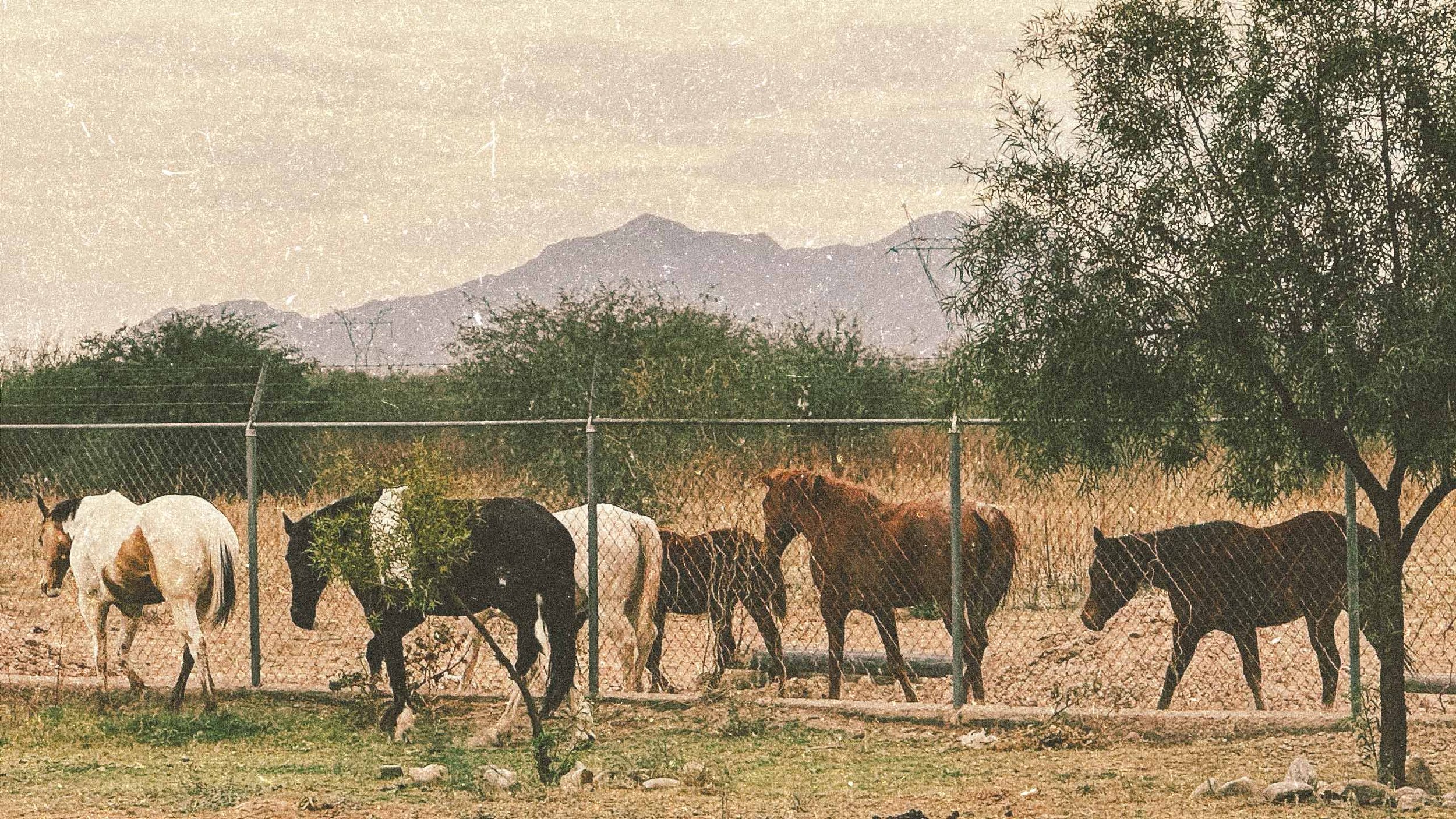
First yes

Traction doesn’t come from the market.
Not at the beginning.
Early traction is local liquidity. A few people willing to try before it’s safe, before it’s proven.
That first yes rarely comes from strangers.
It depends on insiders. And it stalls when they won’t go first.
A university that teaches innovation but won’t use what comes out of its own classrooms.
A government that promotes entrepreneurship but won’t buy from local startups.
A large company that mentors founders but never uses what they build.
Not because the work is bad.
Because being first carries responsibility.
Buying something already famous feels safer. The blame isn’t yours.
Early traction isn’t a transaction. It’s a gift.
Traction isn’t about startups being good enough.
It’s about communities being brave enough to go first.
Just enough
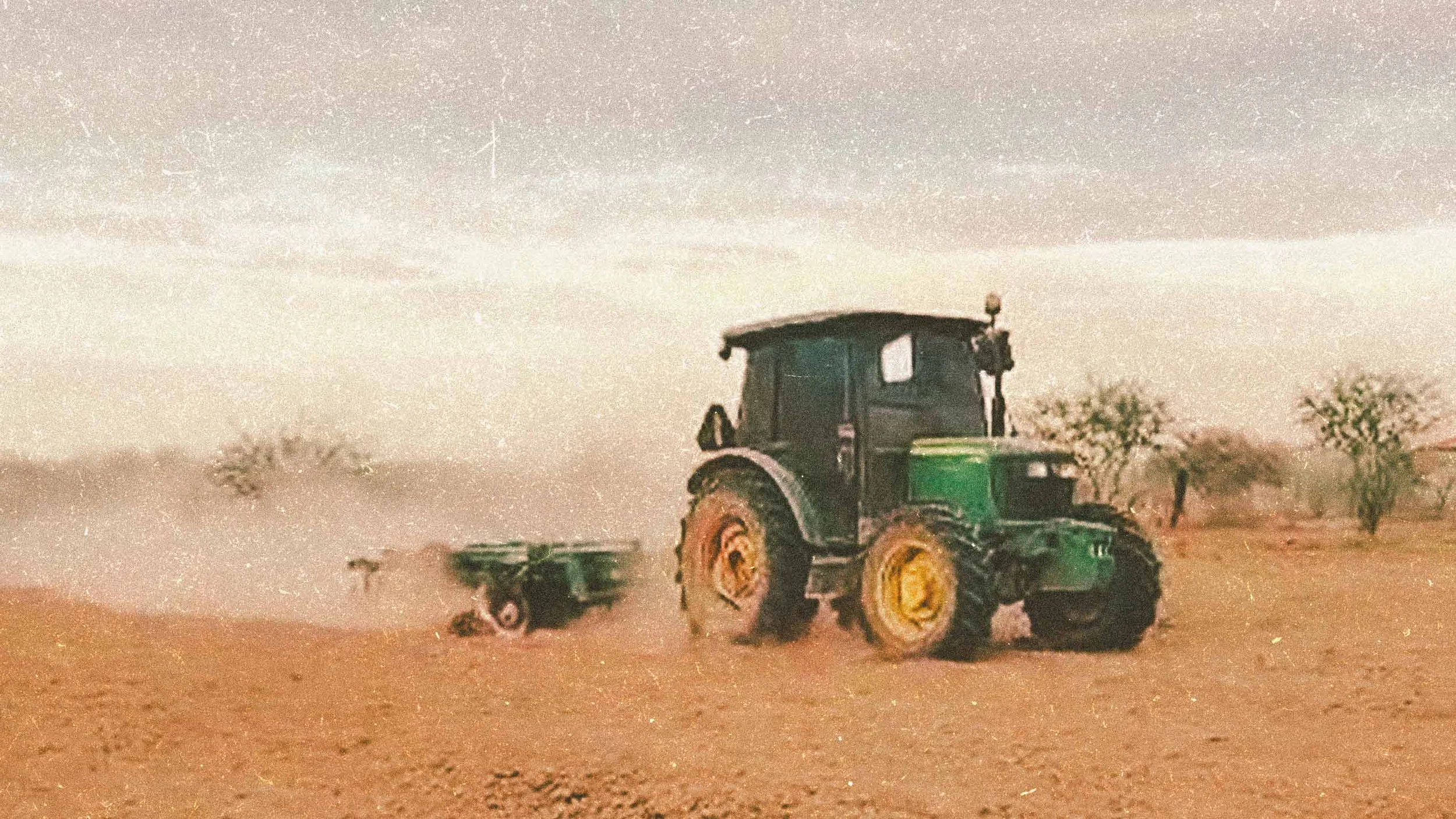
The places I remember most felt obvious.
Nothing to decode. Nothing to justify.
They just acted like they understood why I was there.
And that was enough.
The cost
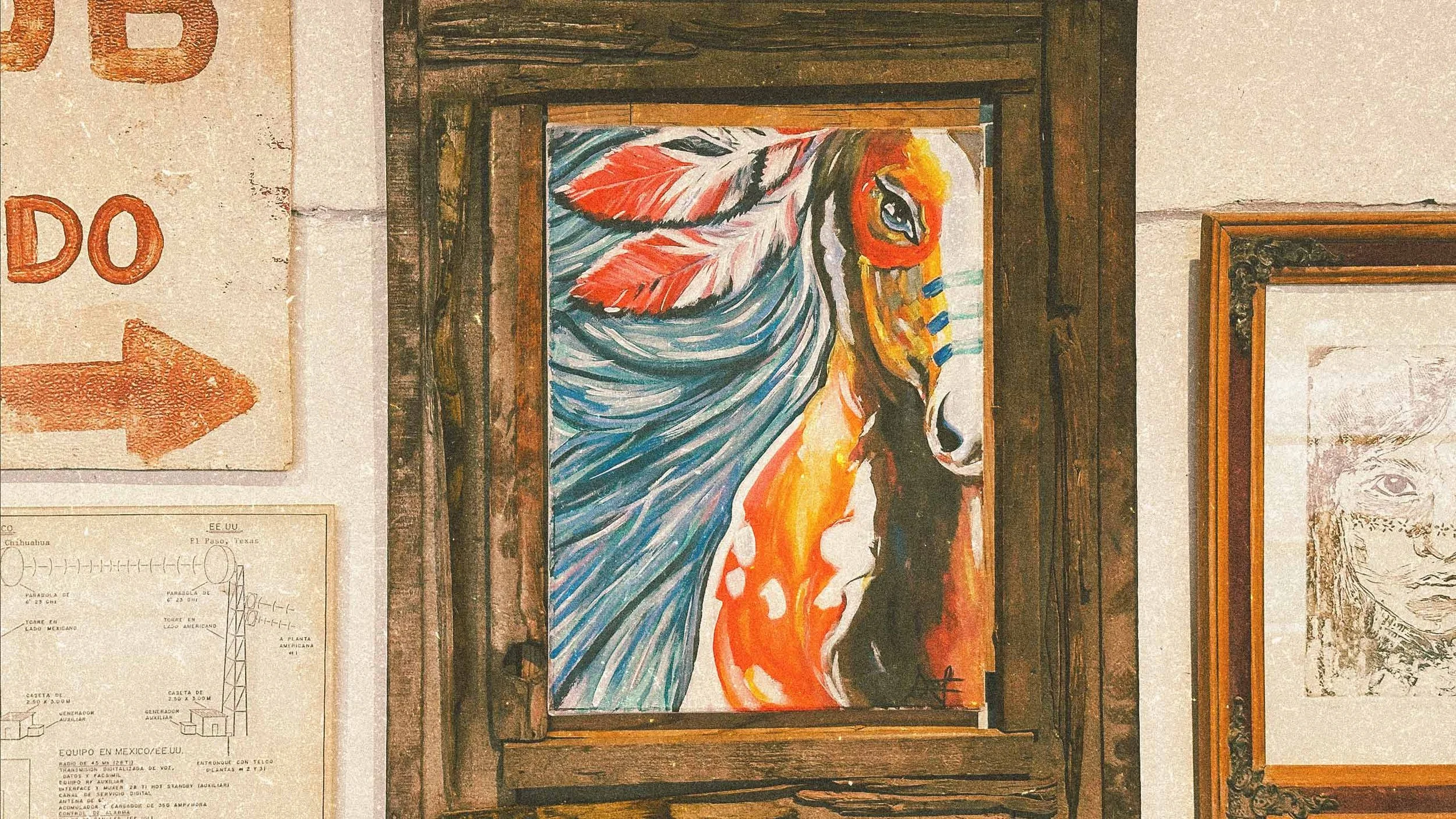
Suspend your own story.
Give up being right.
Enter a logic you don’t respect.
Listen without interrupting.
Don’t correct the facts.
Don’t optimize the conclusion.
Let the explanation stand, even if it bothers you.
Accept that it makes sense to them.
Stay in the discomfort without fixing it.
Leave without agreement.
Leave without winning.
Empathy is expensive. That’s why it’s rare.