Not eager
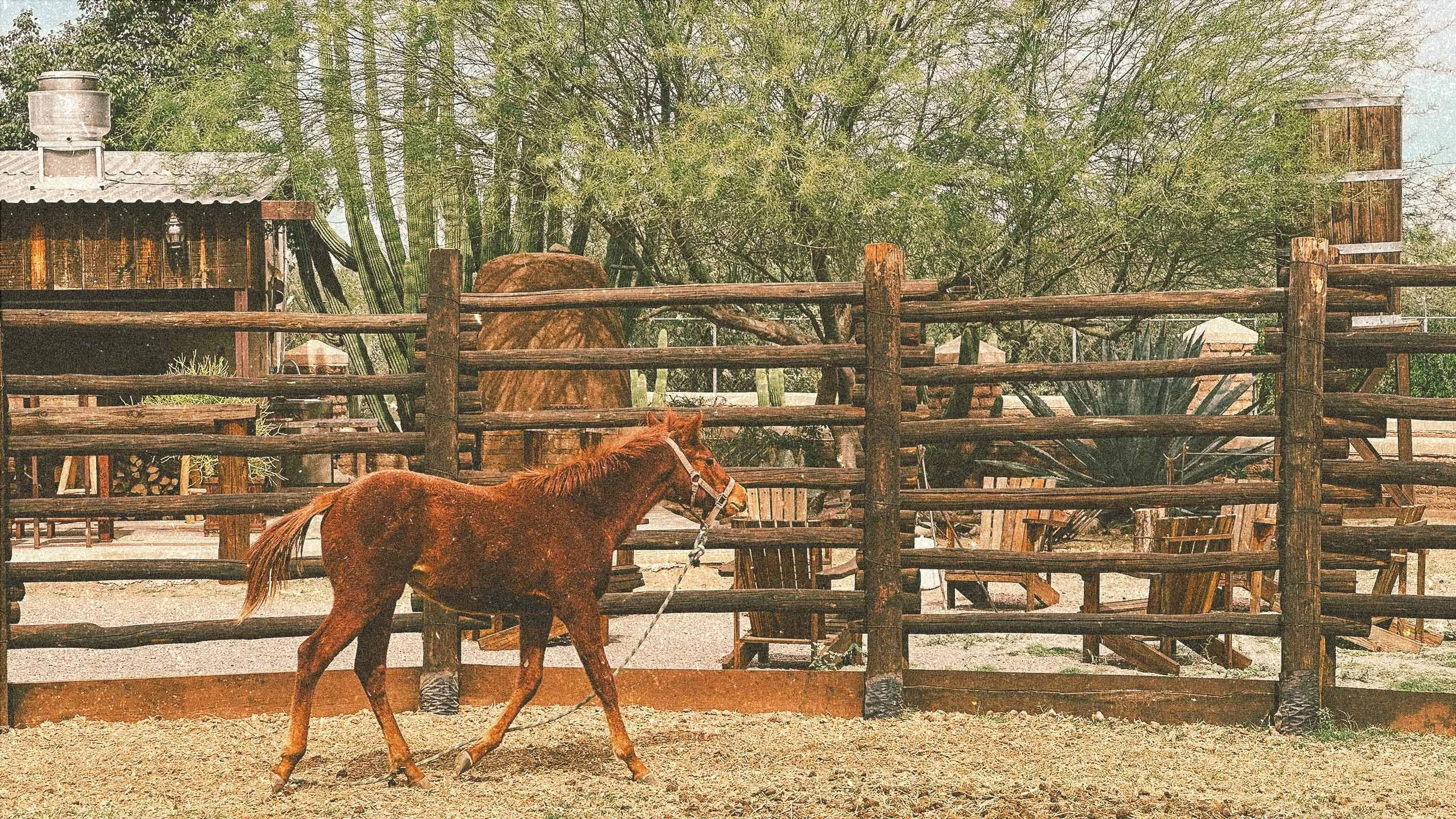
Spend enough time around ranchers or in small towns and you notice it.
They don’t rush to speak. They don’t fill silence. They don’t volunteer themselves into the center of the room.
It’s not shyness.
In places where memory is long and reputation compounds slowly, eagerness is expensive. Talking too fast, agreeing too quickly, offering too much—these are signals. And not the ones you think.
Status there isn’t rented through visibility. It’s accumulated over time.
The one who speaks first risks lowering himself. The one who waits is measuring.
In cities—and online—it flips.
Speed looks like confidence. Volume looks like relevance. Certainty performs well.
So people learn to step forward quickly. To respond first. To be seen.
Move between these worlds without noticing and something breaks.
Digital eagerness in a room that values patience reads as insecurity. Rural silence in a room that requires clarity reads as absence.
Same person. Different outcome.
In some rooms, eagerness lowers you. In others, silence erases you.
The discipline isn’t noise or quiet.
It’s knowing where you are.