
By absence
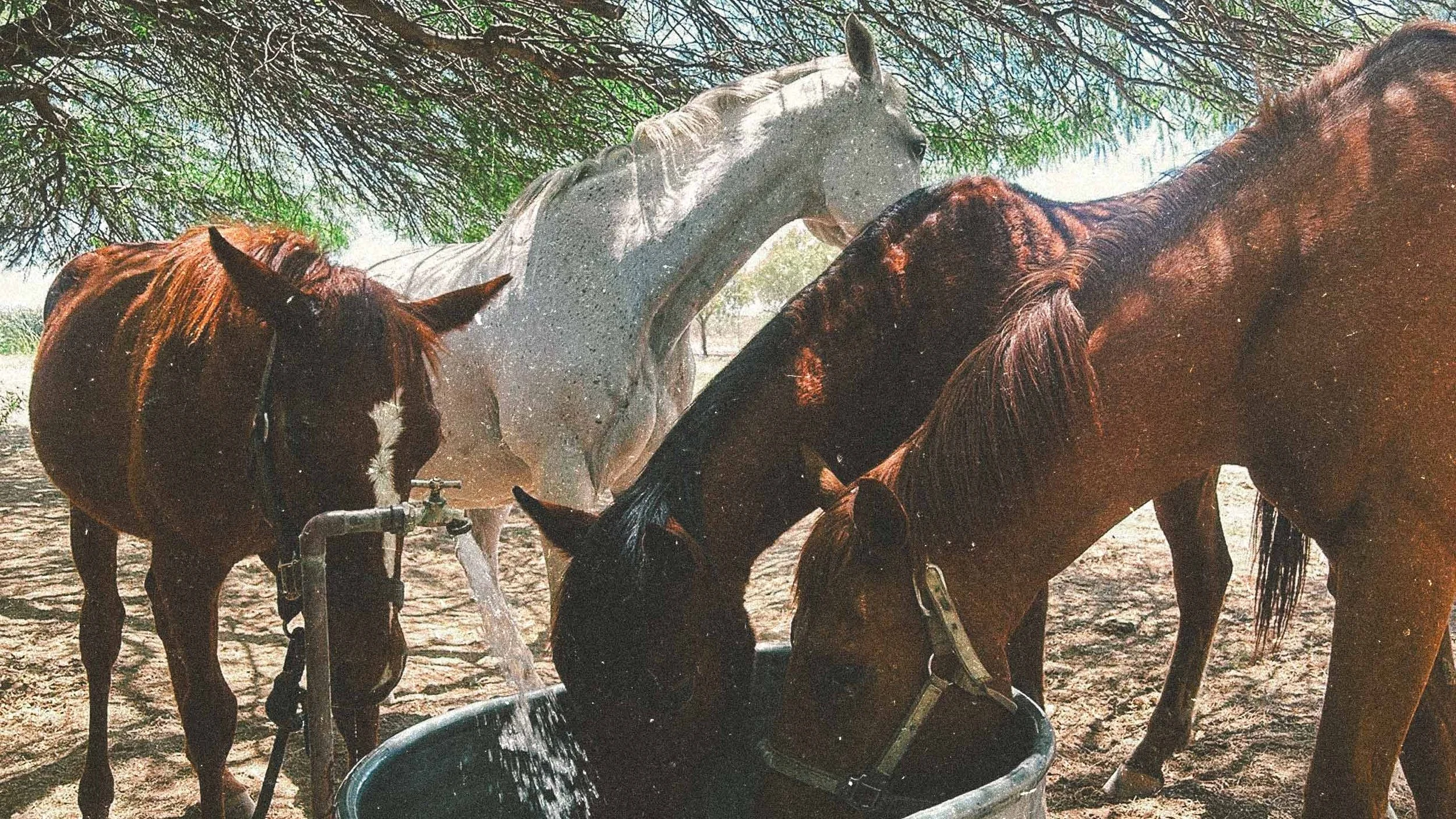
The best leaders in the room decided politics wasn't for them.
So they left.
And the room didn't stay empty.
It never does.
The people who walked in after weren't more capable. They weren't more prepared. They just showed up when everyone else decided not to.
That's how regions are lost. Not by force. By absence.
Staying out of it is a decision.
Someone else is making it for you.
Amalaya
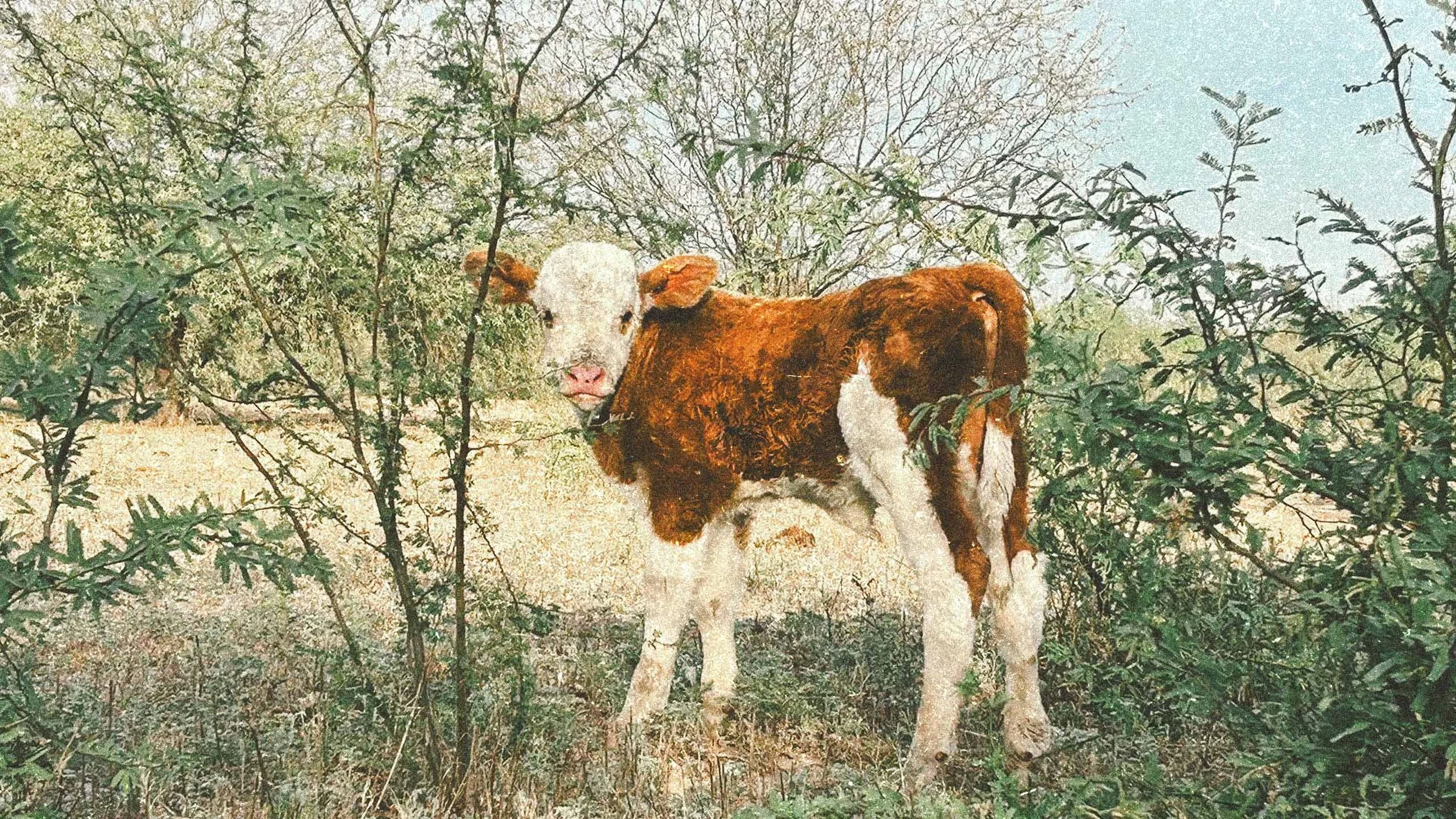
In Sonora, there's a word for this feeling.
Amalaya.
It's what the farmer says when he plants in dry soil and looks at a sky with no clouds. Not a complaint. Not a demand. A quiet offering to whatever decides when the rain comes.
It's what you feel at dawn when the desert turns the sky red and copper and something that has no name — and you wish it would stay.
Amalaya means I wish.
But that's not what it means.
It's the wanting that doesn't break you.
The peace of a people who learned that the desert delivers everything.
Just never on your schedule.
The author
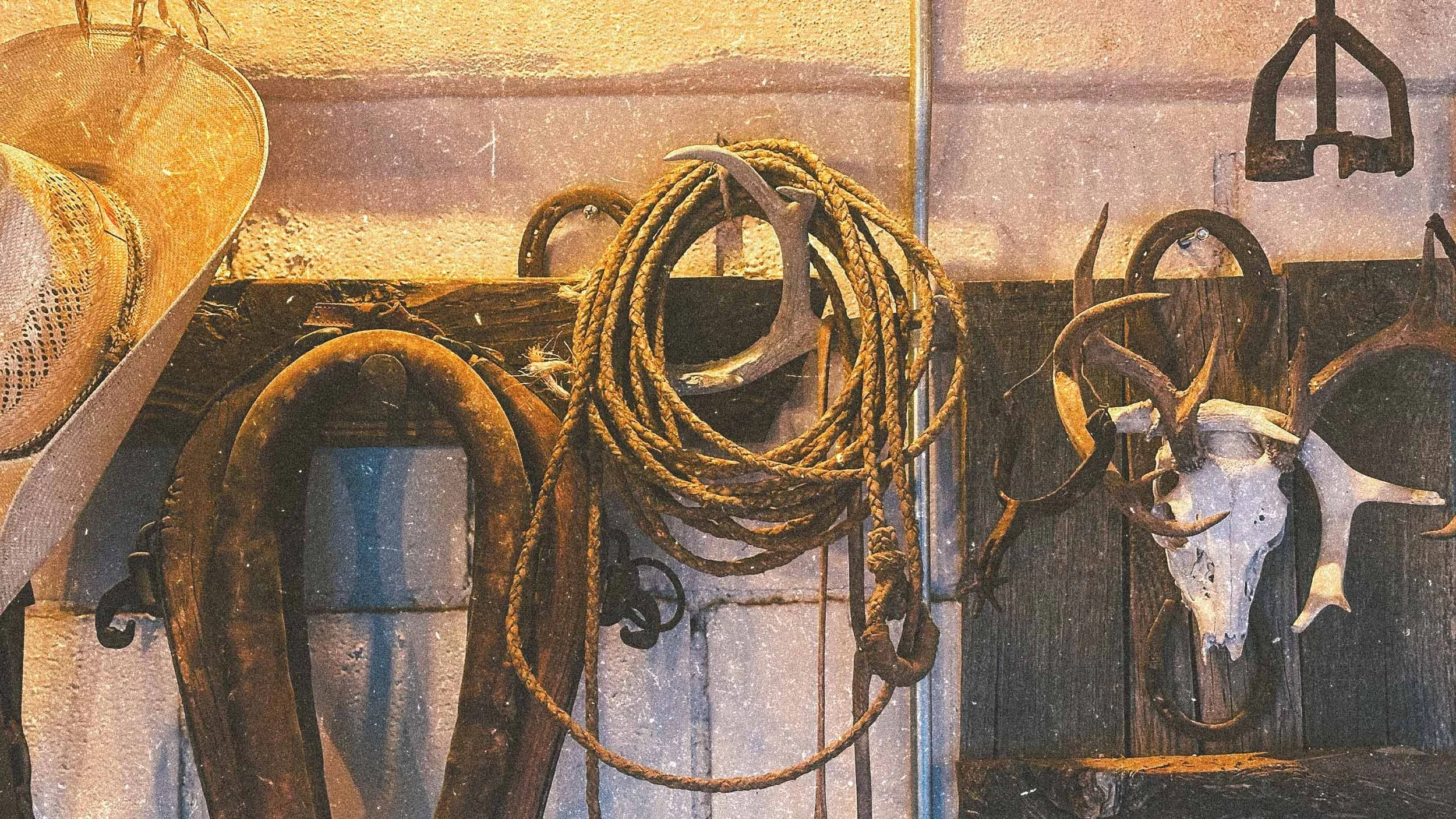
Anxiety isn't a feeling about the future.
It's a story about it.
Vivid. Detailed. Convincing.
The problem isn't the fear.
It's that you're a better author of catastrophe than of possibility.
And you believe your own fiction.
You're not predicting the future.
You're writing it.
And you keep choosing the same ending.
The filter
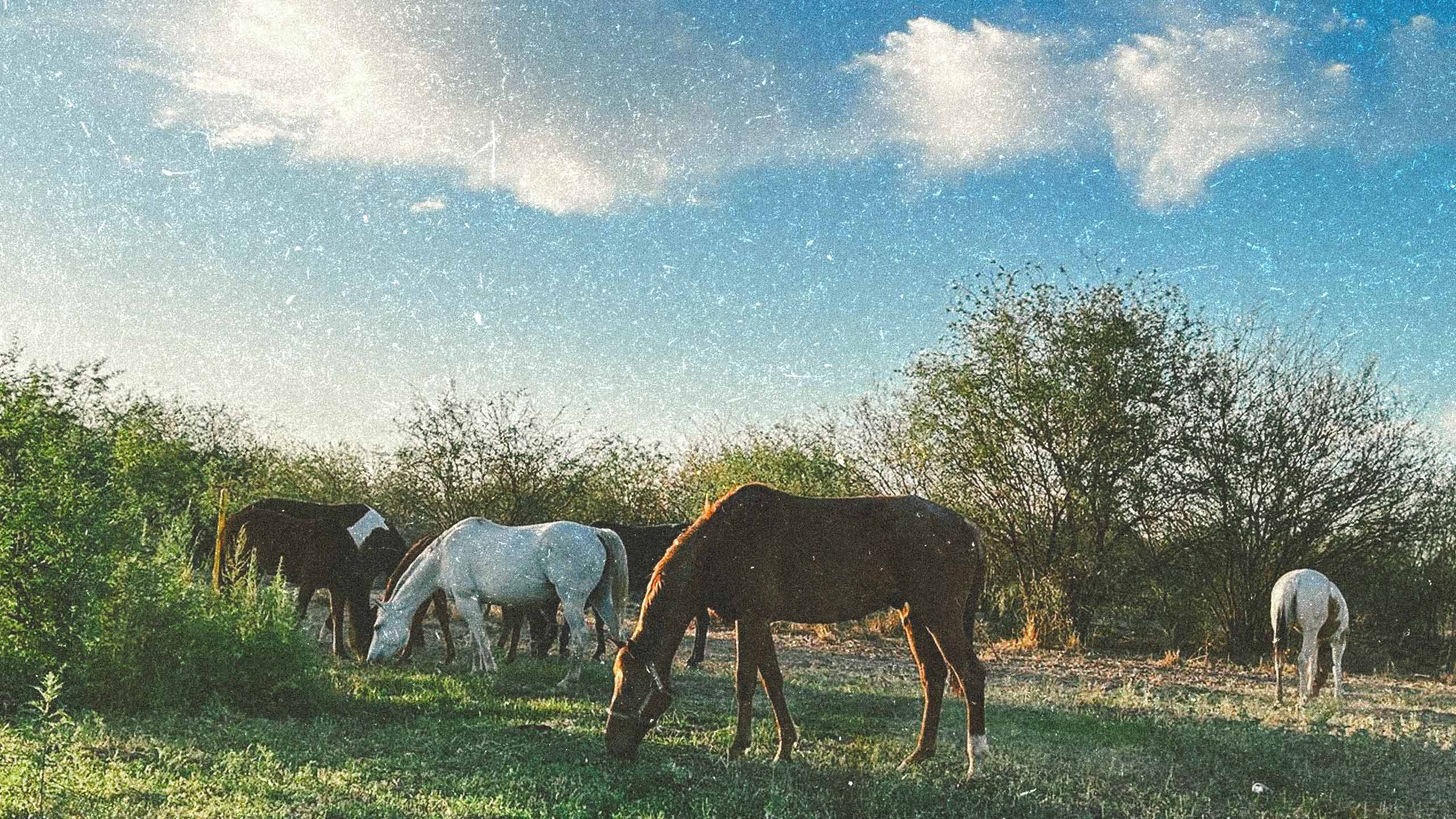
You stop performing when you like who you are more than you want anyone watching.
Until then, you edit. You adjust. You manage the version of yourself that enters the room.
When the real one shows up, some people leave.
The ones who stay were always yours.
Most people never find out who that is.
And the song inside never gets out.
Nobody is questioning it
Getting better at the wrong thing is still the wrong thing.
You've spent years sharpening the skill. Building the process. Perfecting the system.
The results are cleaner. The execution is faster. The feedback is good.
Nobody is questioning it.
Including you.
That's what makes excellence dangerous.
It's the most comfortable reason to never change direction.
When it switches
Some tools work for you.
Some tools work you.
The television decided when the night ended. The inbox decided what was urgent. The feed decided what mattered. The algorithm decided what you'd create. The AI answered before you finished the question.
You opened the app to do one thing. Forty minutes later you were somewhere else entirely.
You picked up the tool.
The tool doesn't tell you when it switches.
Nothing left to hide
When you share something deeply yours — a dispatch, an idea, something that cost you — you hand the power to whoever receives it.
They can dismiss it. They can ignore it. They can misunderstand it.
And you can't protect yourself from that.
No cover. No excuse. No manual.
That's what makes it a gift.
Not the sharing. The exposure.
Where you looked
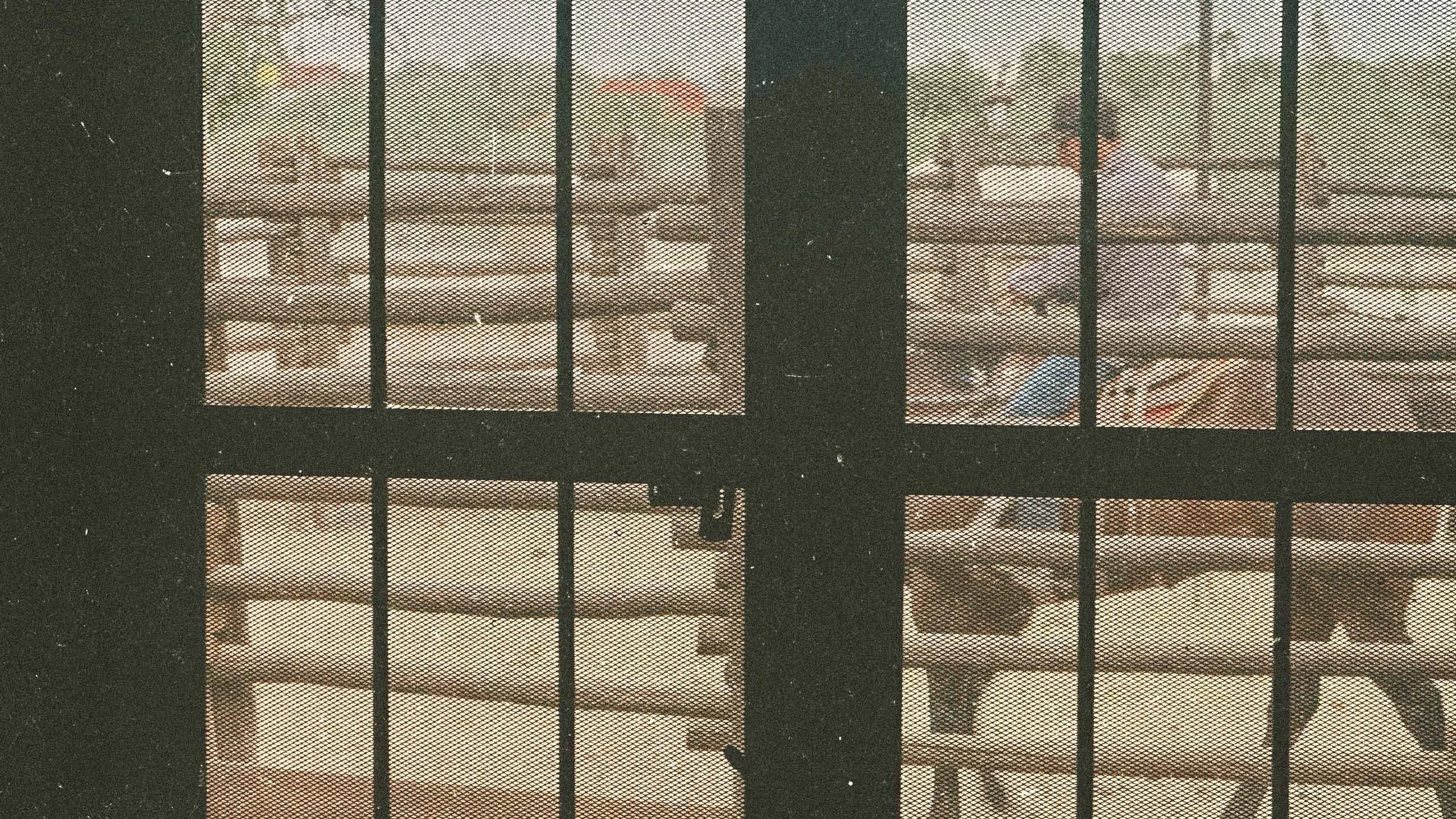
You've been growing things and killing things every day.
Not by accident. By attention.
Whatever you feed grows. The relationship. The skill. The idea. The person. Feed it attention and it expands. Gets more real. More present.
Whatever you starve dies. Quietly. Without announcing it. You don't notice until it's gone. Then you call it circumstance.
It wasn't circumstance.
It was where you looked.
In the room
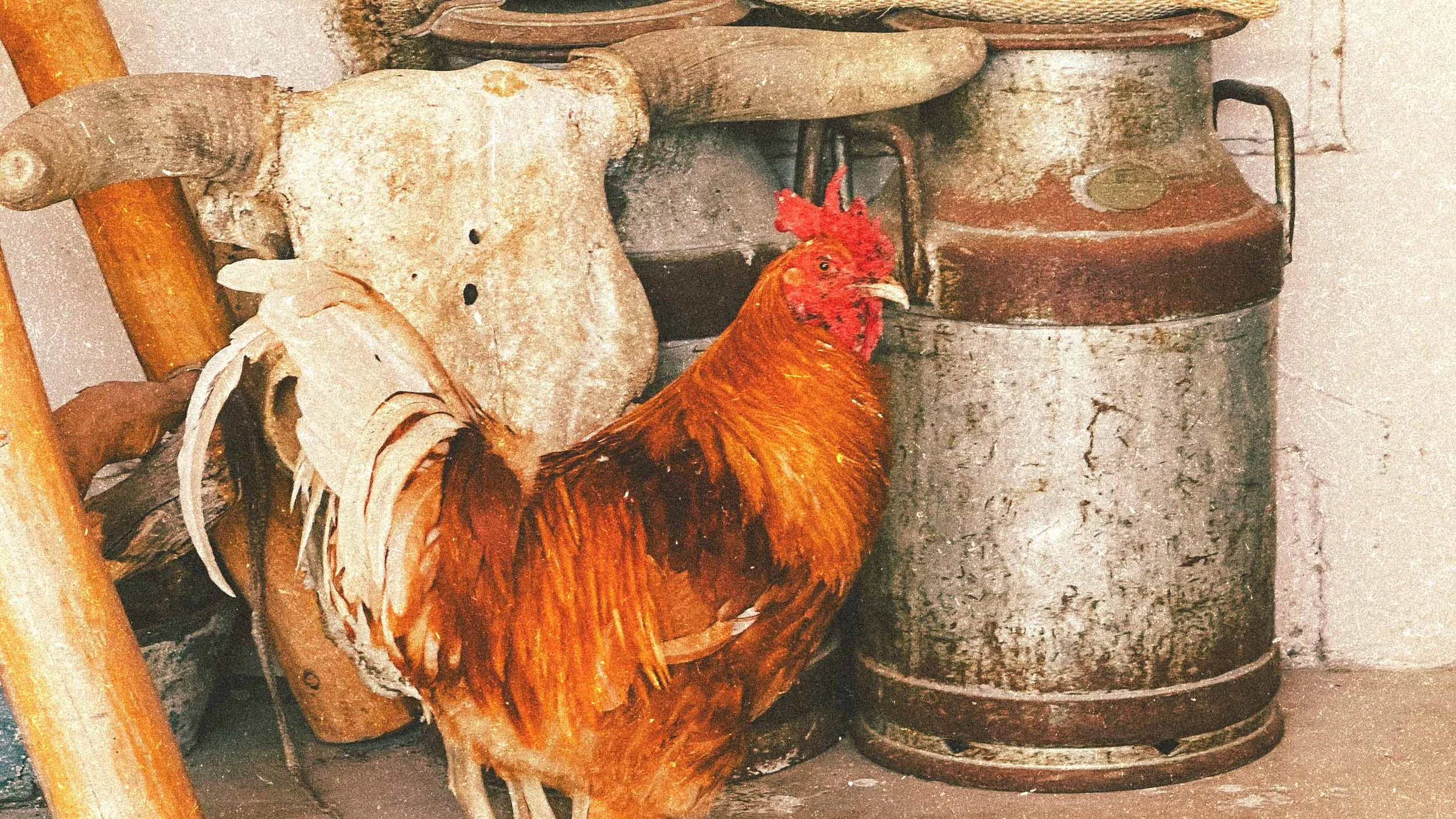
You don't learn from the people trying to teach you.
You learn from the ones you can't stop watching.
Not offering anything. Not investing in you. Not aware you're paying attention.
Just doing the work at a standard that makes you uncomfortable with your own.
You can't stay near a high standard and remain unchanged.
It won't let you.
Unrecognizable
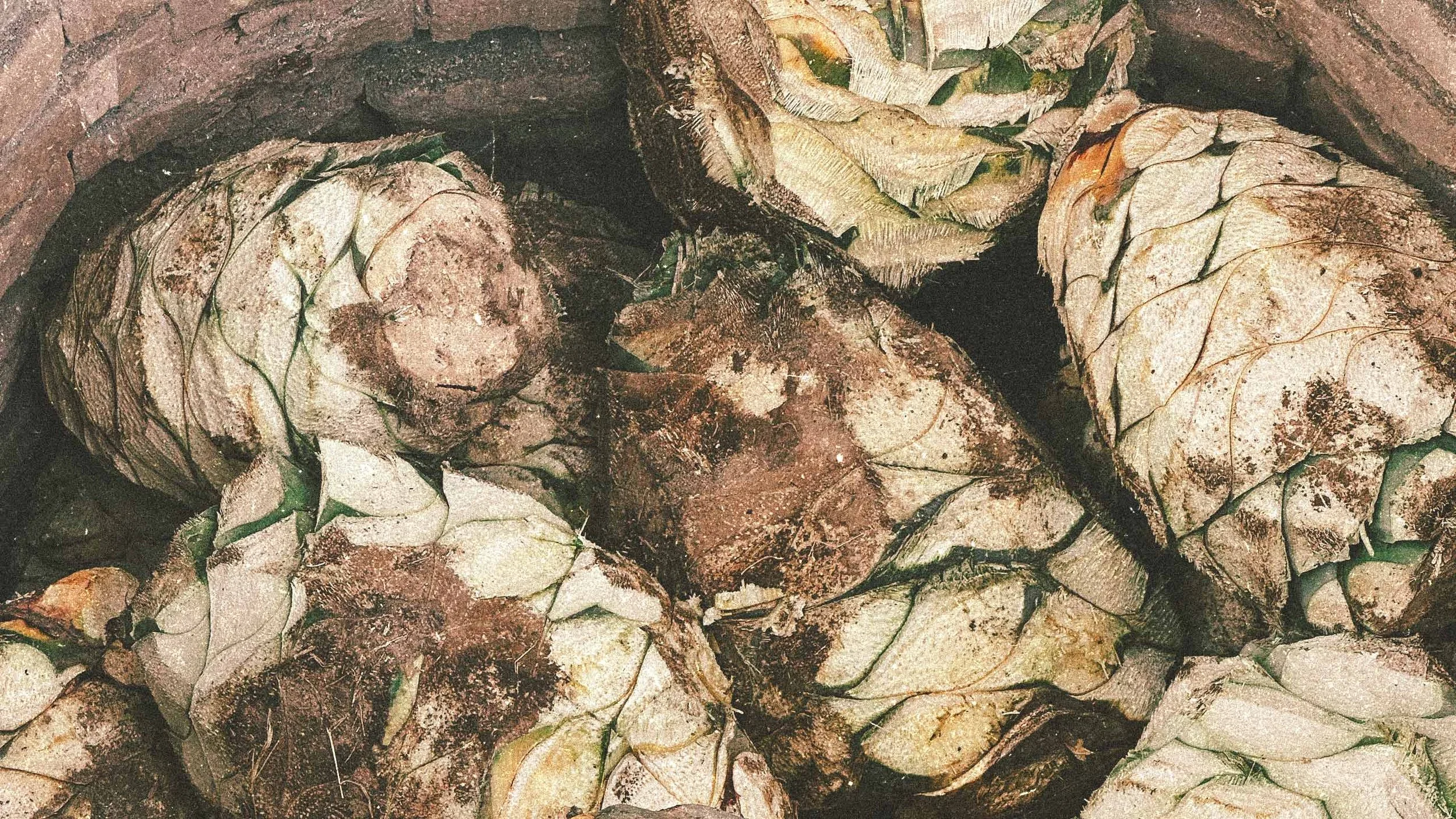
The hit changed you.
The version of yourself that went down and the one that got up are not the same person.
You don't go back.
Already knew
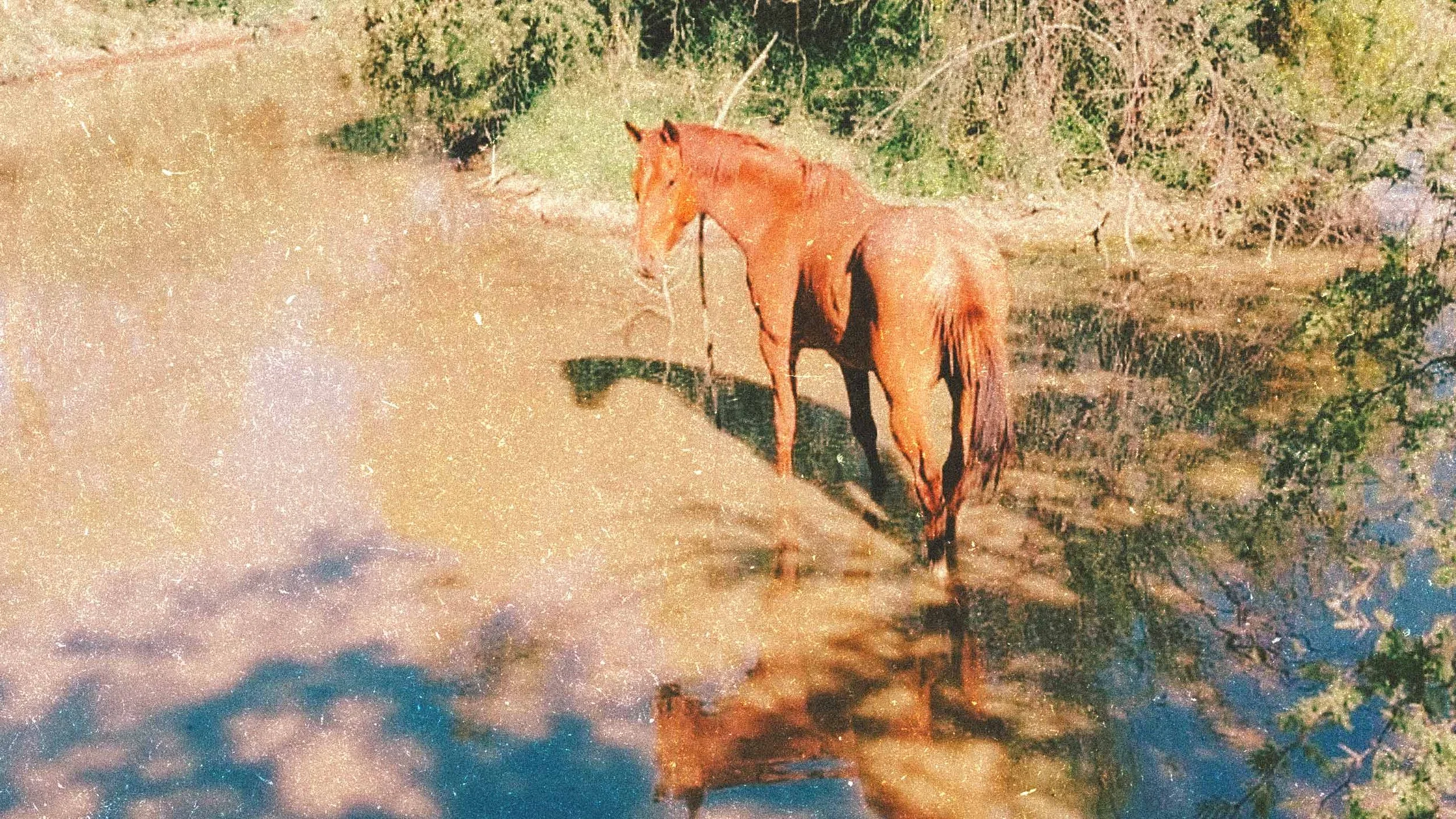
People don't surprise you.
Not really.
You saw it early. The pattern was there. The feeling was there. You named it quietly to yourself and then decided you needed more information.
You didn't need more information.
You needed to be wrong.
And you still stayed. And they showed you again.
You already knew. You were just waiting for it to get bad enough to act without feeling responsible.
Still milking
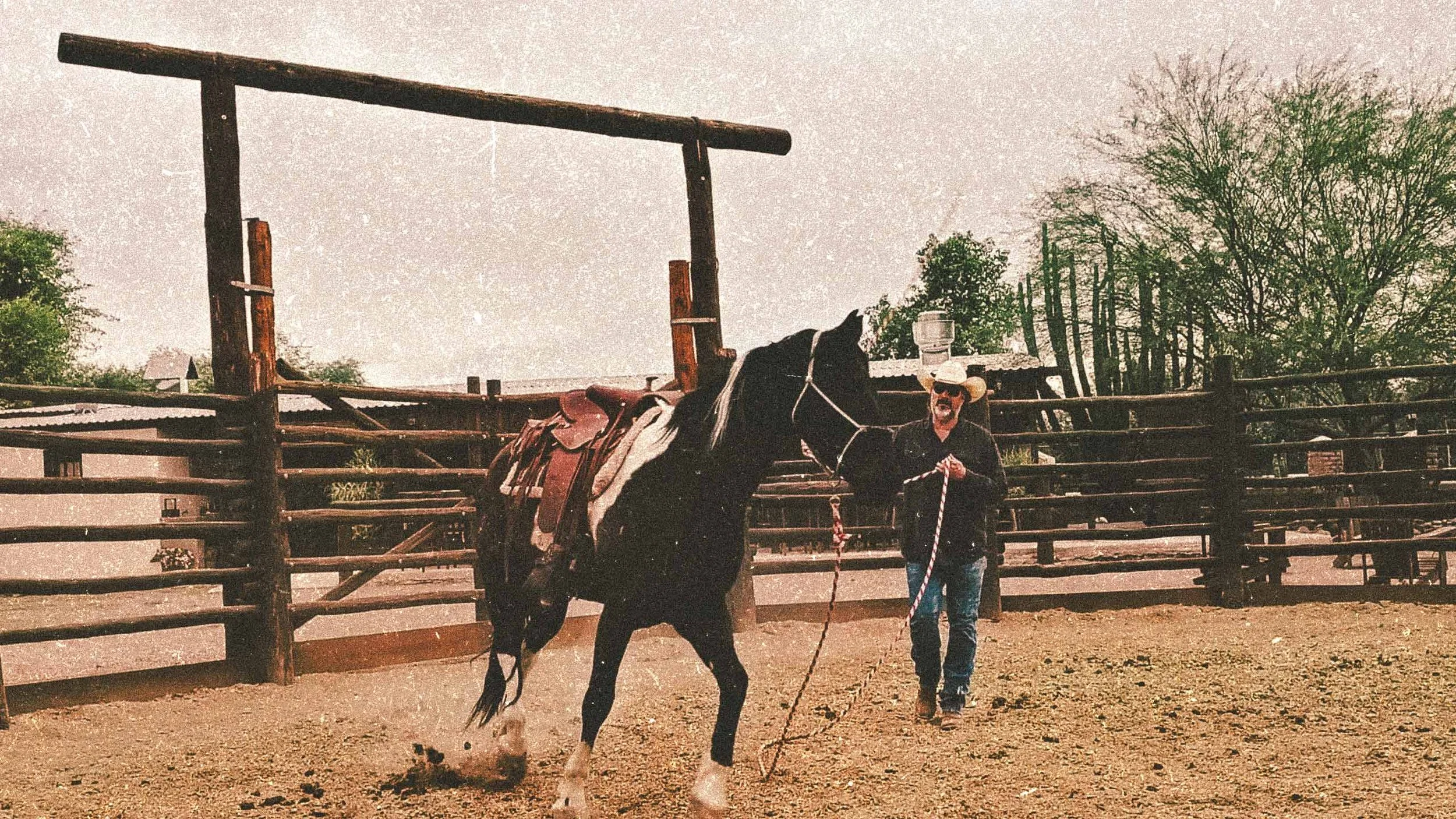
The people who will replace you aren't working harder than you.
They're working on something you're too busy to notice.
What you have is working. So you optimize it. Improve it. Protect it. Milk it.
And while you do, the next thing is already being built.
Not against you. Without you.
The desert lie
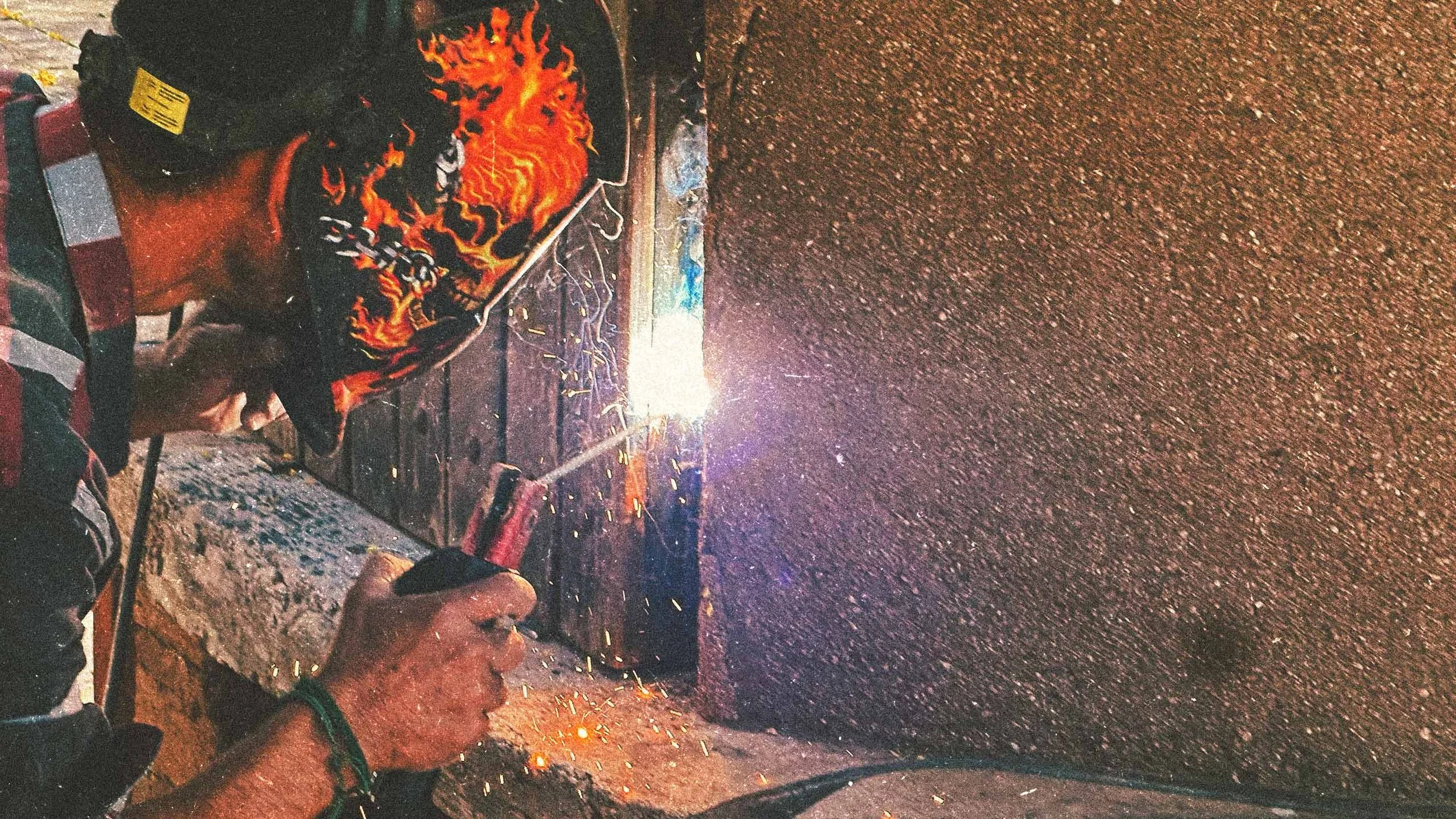
The instinct that kept you alive is the same one keeping you from growing.
Head down. Self-reliant. Nobody is coming to save you. Figure it out alone.
That's what the desert taught you.
Except it didn't.
Nothing in the desert survives alone. The cactus, the hawk, the soil, the rain — all of it synchronized. All of it depending on everything else. The desert only looks solitary from the outside.
Alone was never the lesson. It was just the easiest one to learn.
Better ground
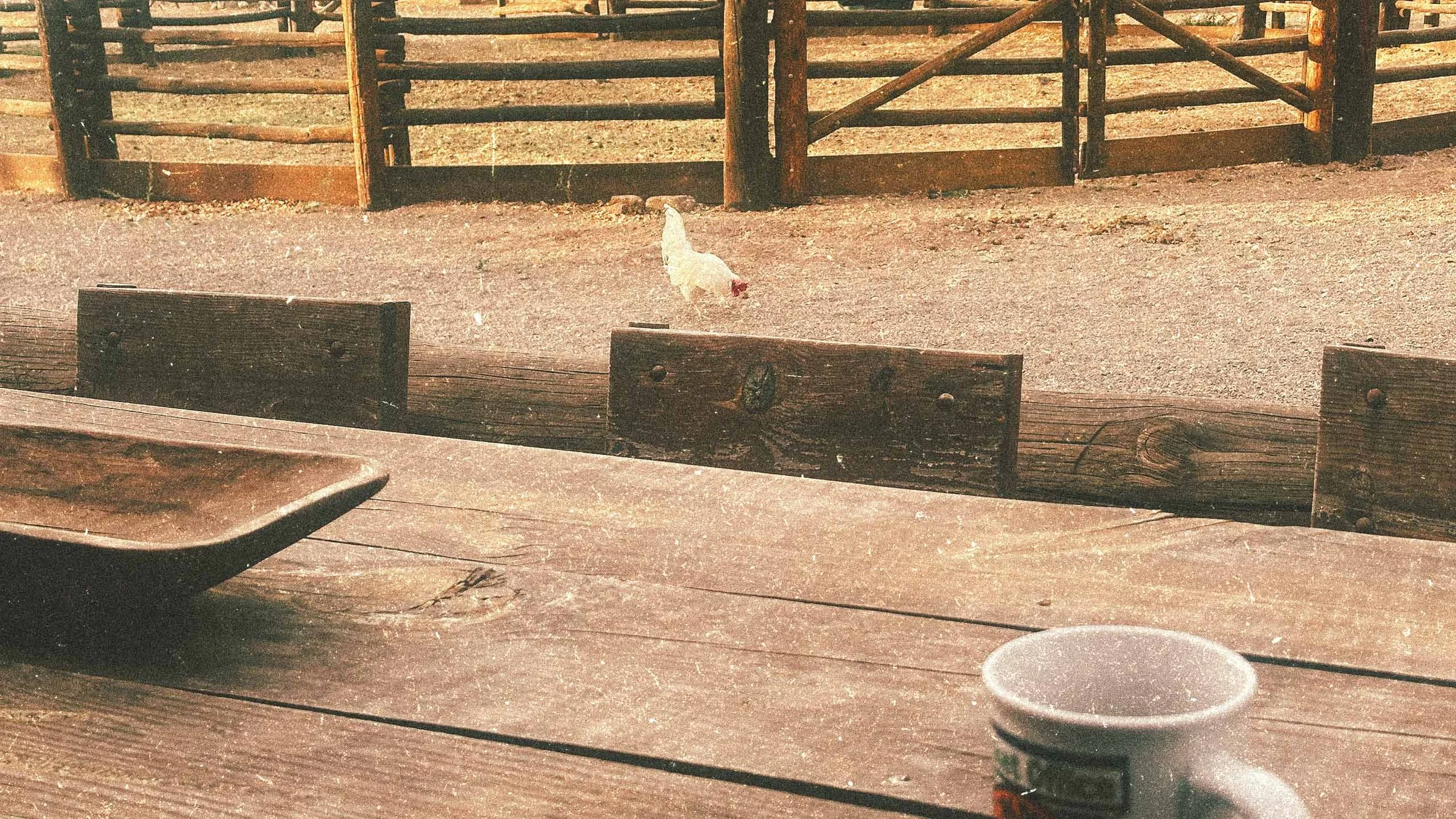
You're chasing the wrong thing.
Happiness depends on what happens. Peace depends on you.
The failed venture. The partnership that broke. The decade of work that moved less than you hoped.
You're still waiting for those things to resolve differently.
They won't.
You can be at peace with something that will never make you happy.
Your frequency
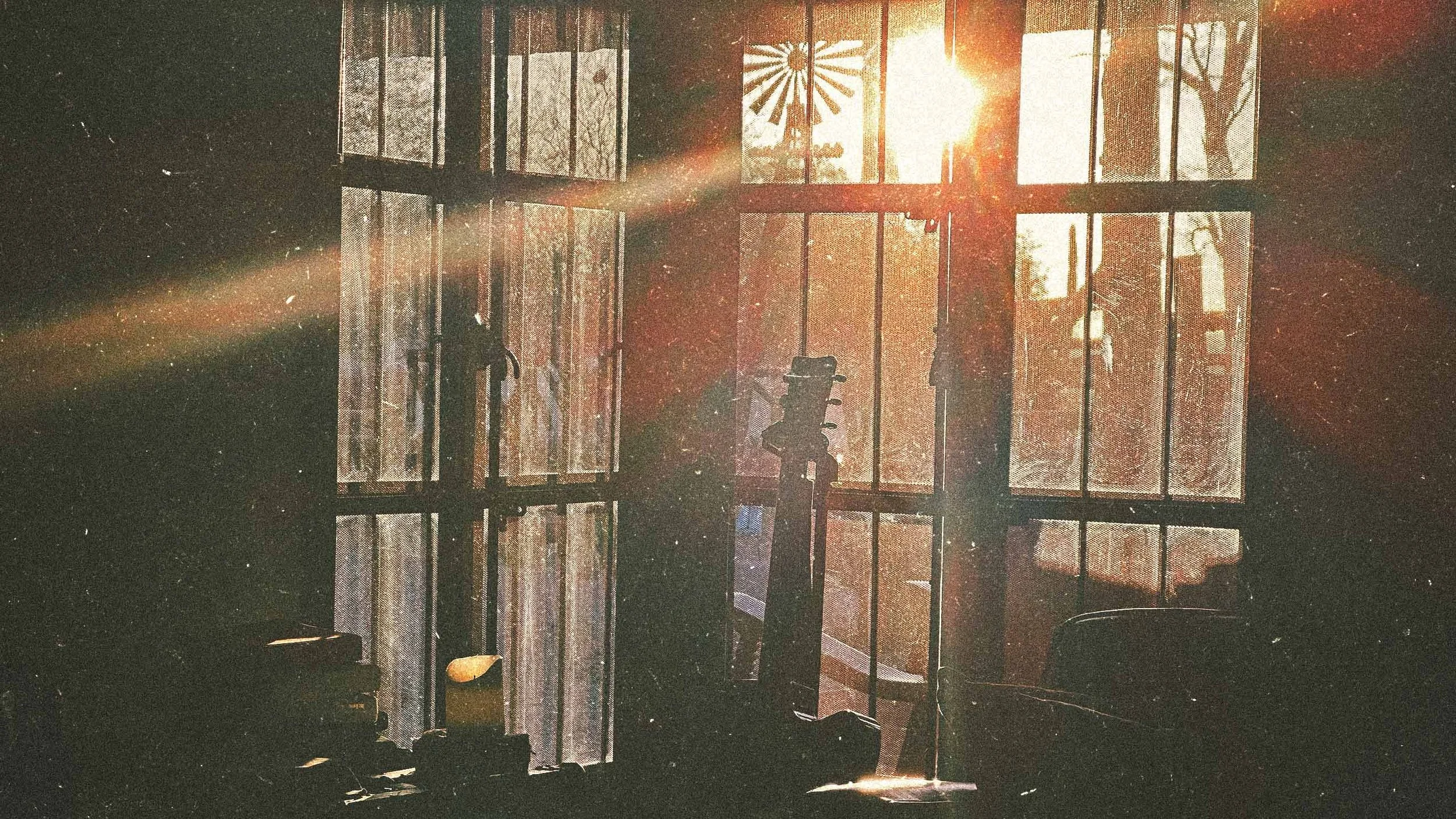
Your people are not watching you. They are reading you.
Every day. Before you speak. Before you decide.
Are you confident about tomorrow or quietly falling apart?
They already know.
And they're making their next move based on what they found.
Show up. Do what you're supposed to do. Take care of business.
Your emotions are never just yours.
The unfinished thing
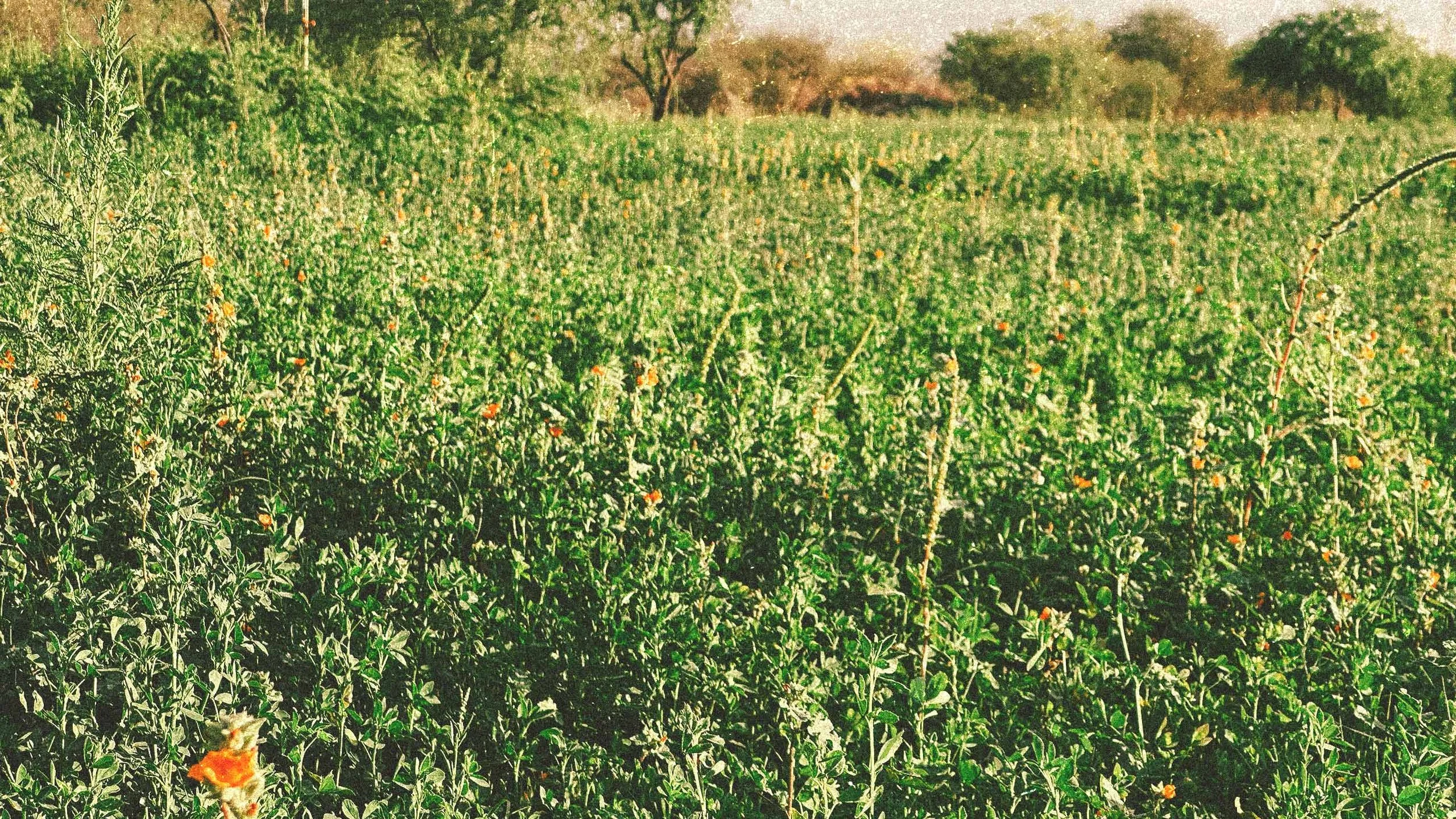
Entrepreneurs don't have jobs.
They have something unfinished living inside them. A vision that doesn't clock out at 6pm. A problem they can't stop solving. A future they're building in their head during the meeting, between the numbers, in the answer they give before you finish the question.
That doesn't quiet down. It doesn't take weekends off. It doesn't wait for a better moment.
When you decide to advise, work for, or invest in one, you think you're choosing a person.
You're not.
You're choosing what they carry.
Most people find that out later. After the pivots stop making sense. After the decisions start feeling personal. After they've waited long enough for things to slow down and realized they won't.
The vision didn't change. They just finally saw it clearly.
The vision doesn't adapt to the relationship.
The relationship has to decide if it can carry it too.
Before you
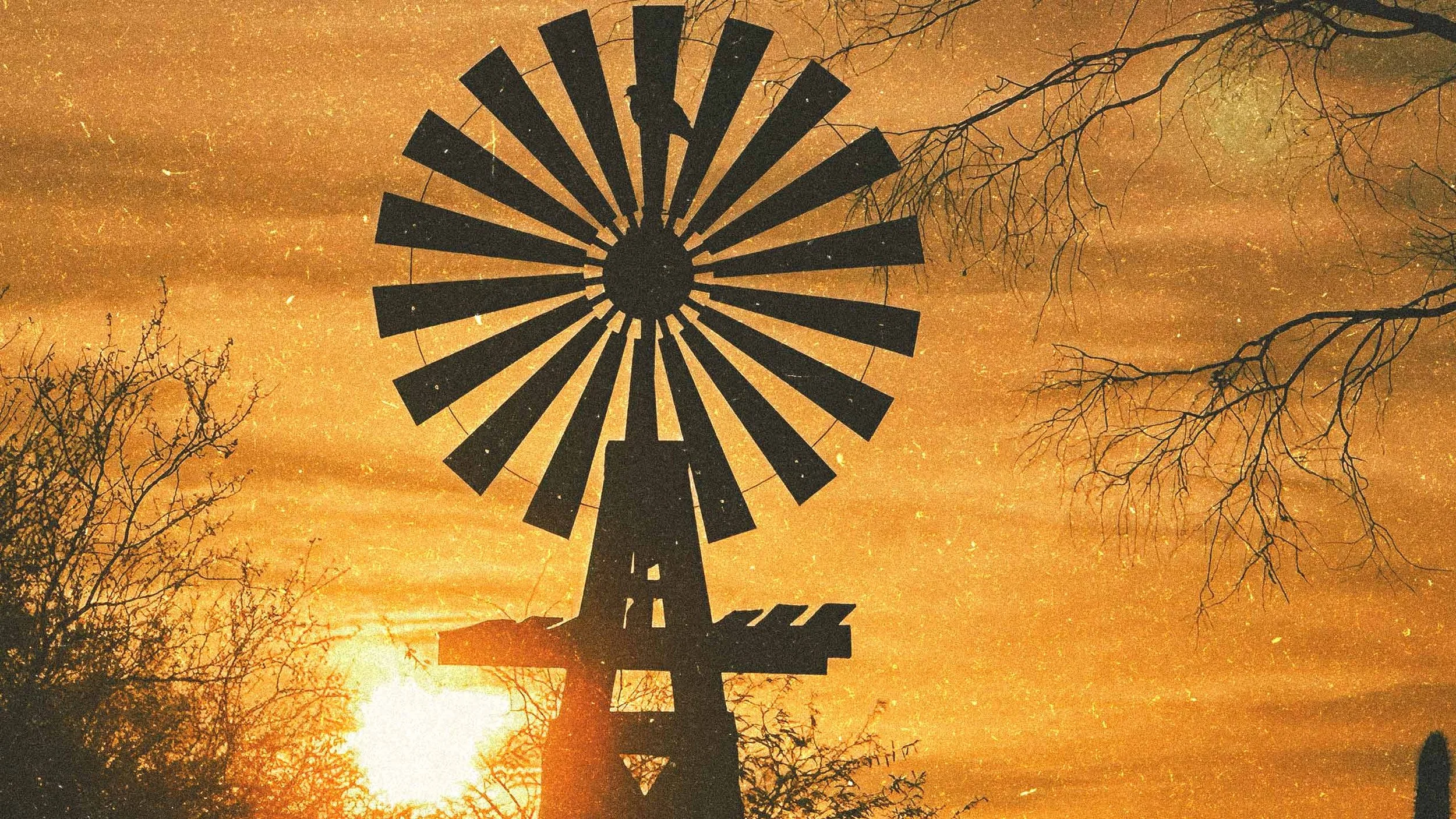
What you carry, continues.
Through bloodlines. Through barns. Through what you tolerate on Monday because you tolerated it last Monday.
Seeing it isn't the hard part.
Patterns don't continue because people are blind. They continue because changing them costs more than carrying them.
So you carry them. And call it circumstance. Or personality. Or just the way things are around here.
You can see it your whole life and still hand it forward.
First one
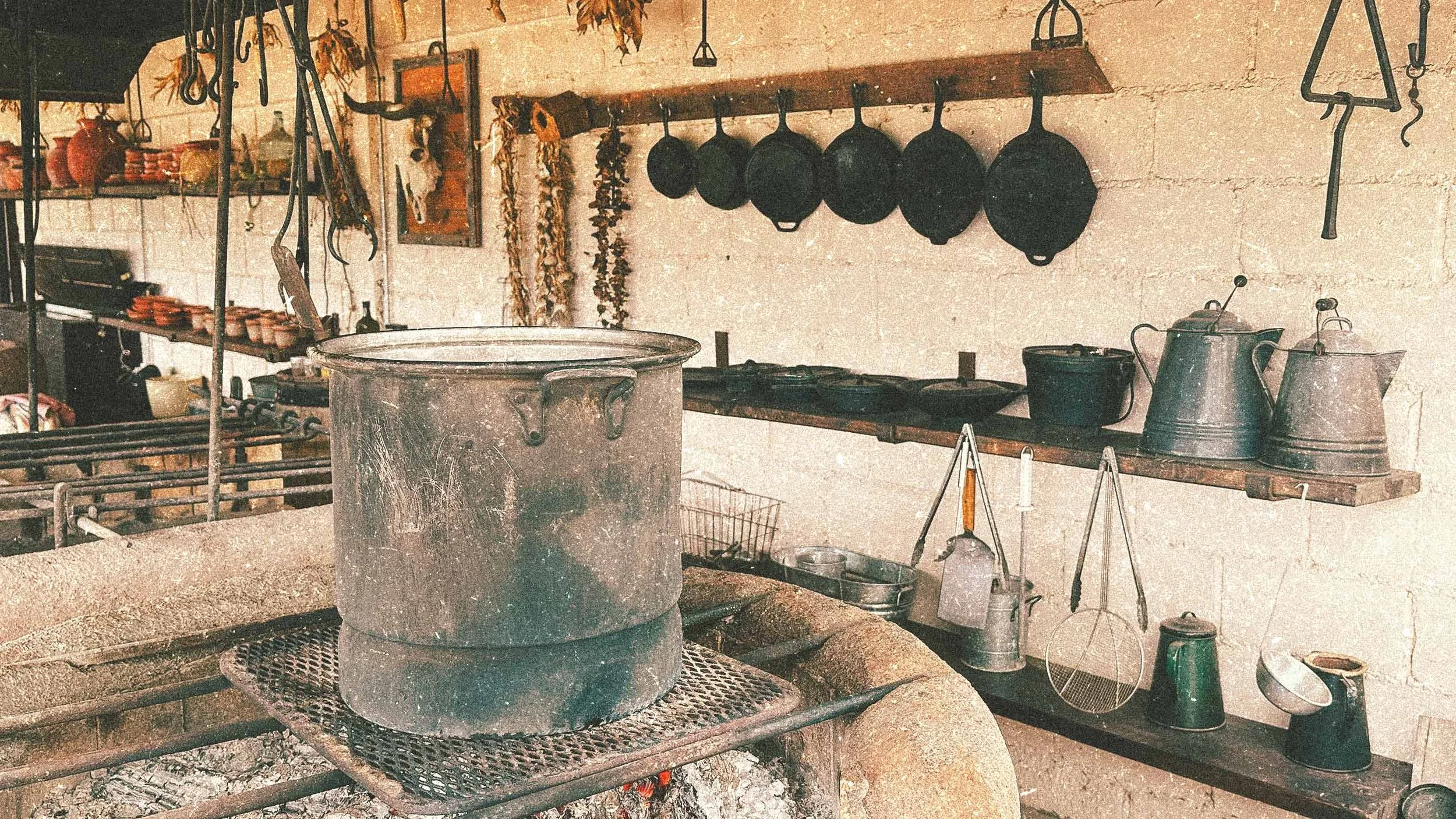
Most people who want to change the rules are still asking the system for permission.
They fight it. They criticize it. They choose better operators to run it.
The system stays intact.
Real change doesn't argue with what exists. It builds something that makes what exists irrelevant.
You can't improve your way out of a broken system. You can only invent your way out.
The ones who actually changed the rules weren't trying to. They were too busy building to notice what they were replacing. The disruption was a byproduct of obsession, not a strategy.
Nobody remembers the ones who played by the rules.
Everyone remembers the first one to change them.
Both worlds
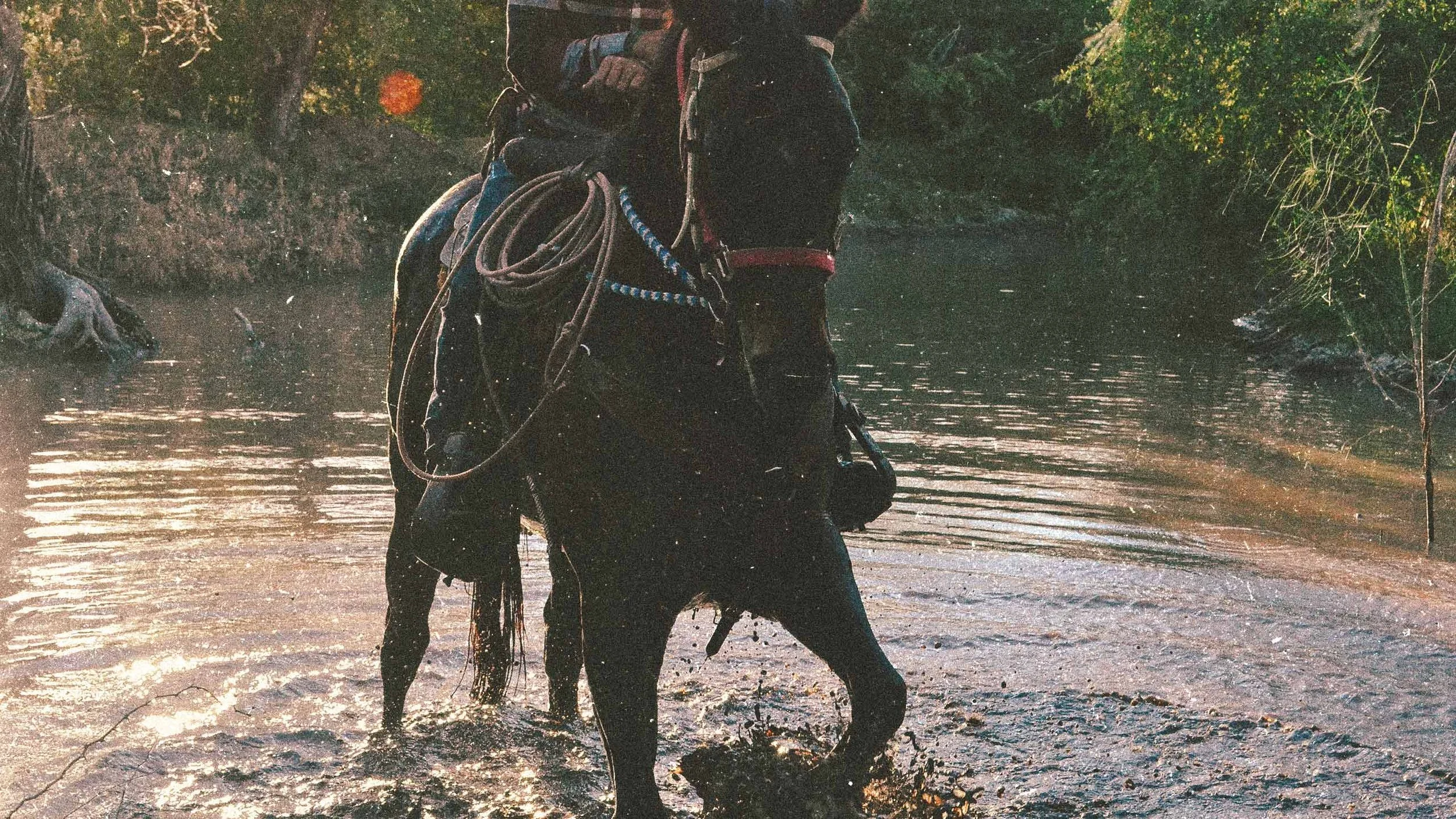
6am. Same gate. Every day.
On one side, safety. Not the kind that comes from avoiding what's coming. The kind that comes from having prepared for it.
On the other side, a colt that doesn't know your name. Land that doesn't care about your plans. Variables that don't ask permission.
That's not risk. That's where everything new comes from.
Most people think balance means equal parts. Peace over here. Chaos over there. Enough of each to survive both.
That's not balance. That's fear with a schedule.
The routine doesn't protect you from the chaos. It charges you for it. And the chaos doesn't break the routine. It justifies it.
Take away the routine and the chaos becomes anxiety. Take away the chaos and the routine becomes a cage.
Each one feeds the other.
Same gate. Both worlds.
If your routine isn't preparing you for chaos, it's just hiding you from it.