
What shows

When you’re born, you look like your parents.
You inherit the face. The name. The starting point.
None of that is your decision.
But something else begins to accumulate.
Quietly.
The people you spend time with. The standards you accept. The compromises you make.
One decision rarely changes much.
But decisions repeat.
They pile up.
Over time they become visible.
Not all at once.
Slowly.
And eventually people stop seeing where you came from.
They start seeing what you’ve been choosing.
By the end,
you look less like your parents
and more like your decisions.
Unpaid work

Imagination is unpaid work.
No one assigns it.
No one schedules time for it.
No one rewards the first draft of a strange idea.
You’re rewarded for shipping.
For answering the question.
For doing the task correctly.
Imagination happens earlier.
Before the assignment.
Before the process.
Before anyone knows if the idea makes sense.
Which is why most people avoid it.
Imagination is work you do before anyone agrees it’s worth doing.
Smallest viable tribe

Small enough to look each other in the eye.
Small enough that effort is visible.
Small enough to notice when someone doesn’t show up.
Small enough that promises are remembered.
Small enough that trust has to be earned.
Small enough that respect accumulates.
Small enough that when direction shifts, everyone feels it.
Small enough that it’s obvious who is building it— and who isn’t.
Trust requires visibility.
Visibility requires small groups.
Looks easy
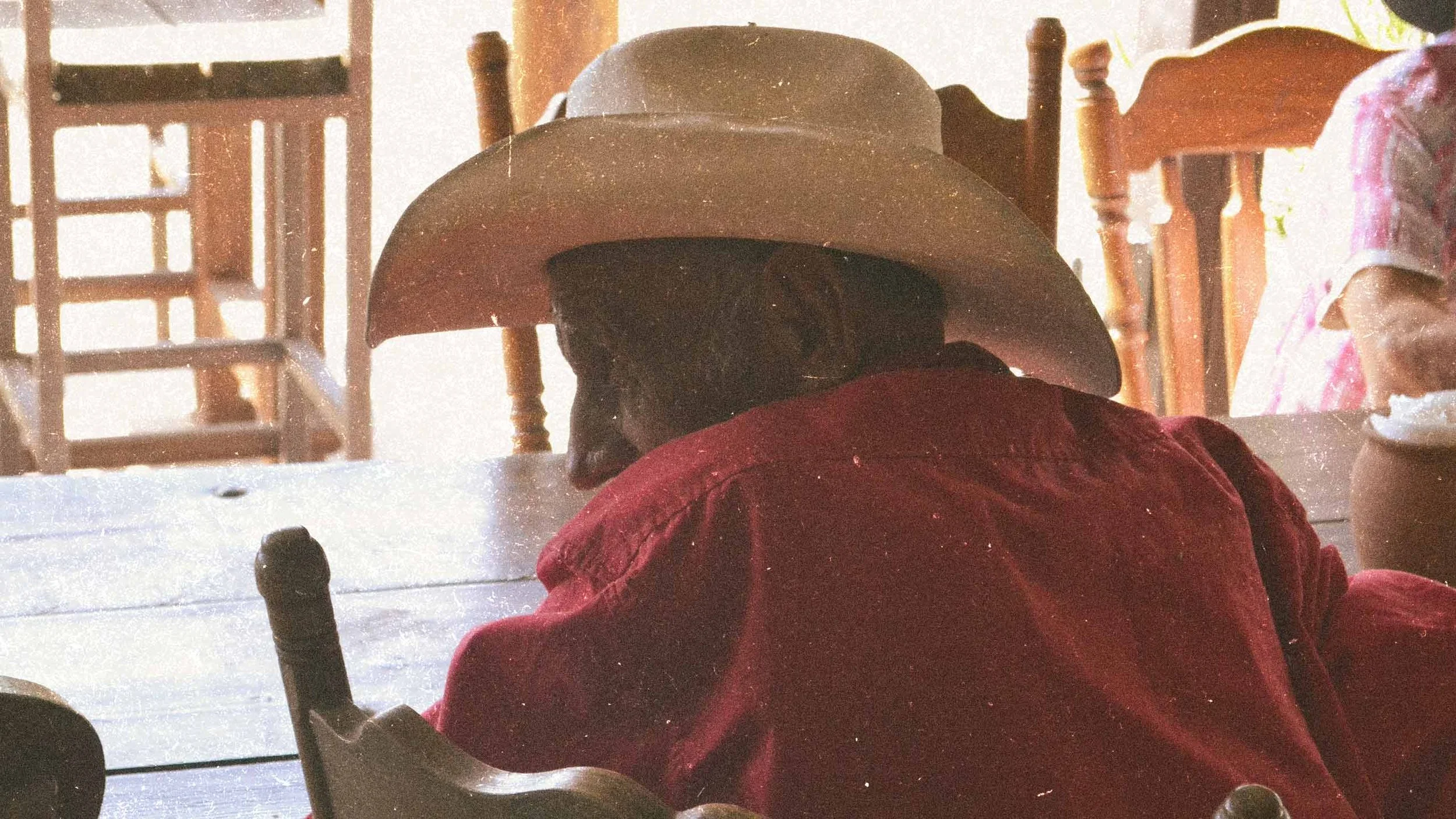
Some people assume you’ve had it easy.
Not because they know your story.
Because you don’t carry it the way they expect.
You don’t bring it up at dinner. You don’t build an identity around it.
No bitterness. No rehearsed grievances.
It confuses them.
They’ve learned to recognize hardship by the marks people display afterward.
Anger. Cynicism. A permanent sense of being wronged.
When those signals are missing, the conclusion comes quickly.
Maybe it wasn’t that hard.
But surviving something difficult doesn’t require bitterness.
Sometimes the strongest move is quieter.
You keep going.
And leave the wound behind.
Small moves

A startup ecosystem doesn’t appear.
It accumulates.
One founder who tries.
One investor who believes.
One conference where people meet.
One fund that raises a second fund.
Add enough of these pieces together and something new happens.
Not a company.
A system.
Mexico’s entrepreneurial ecosystem didn’t exist forty years ago.
Now it does.
Not because someone launched it.
Because enough people kept adding pieces.
Ernesto Stein and his coauthors trace that story well in this new paper.
Three lifetimes

Some work takes longer to learn than a single life allows.
Horses are like that. So is bacanora.
You can study it. Work hard at it. Spend years at it.
And still be learning things others absorbed as children.
Not because they’re smarter.
Because they inherited judgment.
Their father learned something the hard way. Their grandfather learned something even earlier.
Mistakes paid for long before they arrived.
When someone seems to “just know,”
you’re not watching one lifetime of experience.
You’re watching three.
You might not have inherited that.
But someone will inherit what you start.
Already started

You usually know early.
Ten minutes into the meeting. Six months into the job. Two versions into the product.
Something’s off.
But leaving feels expensive.
You’ve already invested time. Energy. Reputation.
So you stay.
One more meeting. One more improvement. One more quarter.
Continuing starts to feel like progress.
Moving target

Most of us live better than kings once did.
Still unhappy.
Because happiness doesn’t track what you have.
It tracks what you want.
And want expands.
The moment you see better, better becomes baseline.
Nothing broke.
The target moved.
Desire spreads faster than gratitude.
It keeps moving.
To whom?

Loyalty feels noble.
Stand by your people. Protect your own. Don’t switch sides.
It sounds strong.
Until the standard slips.
A deadline missed. A shortcut taken. An excuse defended.
Now it gets quiet.
Because loyalty to a person and loyalty to the standard aren’t always the same.
One protects relationships.
The other protects the work.
Most drift doesn’t happen loudly.
It happens one exception at a time.
“He’s one of ours.” “Just this once.” “It’s not that bad.”
Loyalty feels warm.
Standards feel cold.
Over time, you can tell which one an organization chose.
You don’t hear it.
You see it.
At stake

You look serious.
Calendar full. Language sharp. Deadlines everywhere.
You talk about standards. Sacrifice. How much it matters.
It sounds convincing.
But seriousness isn’t posture.
It’s risk.
What have you started that looks almost impossible to pull off?
What are you building that could embarrass you if it fails?
Looking committed is easy.
Real commitment makes failure visible.
If nothing is at stake,
it’s a performance.
Somewhere else
Ask about heroes.
The names travel.
Another city. Another country. Another accent.
Rarely next door.
It’s not a lack of talent.
Distance is safer.
If greatness lives far away, it asks nothing of you.
It doesn’t raise the bar. It doesn’t remove excuses.
Local success is different.
It collapses the distance.
If someone built something remarkable here, then “here” isn’t the constraint.
That’s uncomfortable.
So we wait.
For them to leave. To win somewhere else. To be approved.
Then we celebrate.
Not because they changed.
Because we did.
Signed
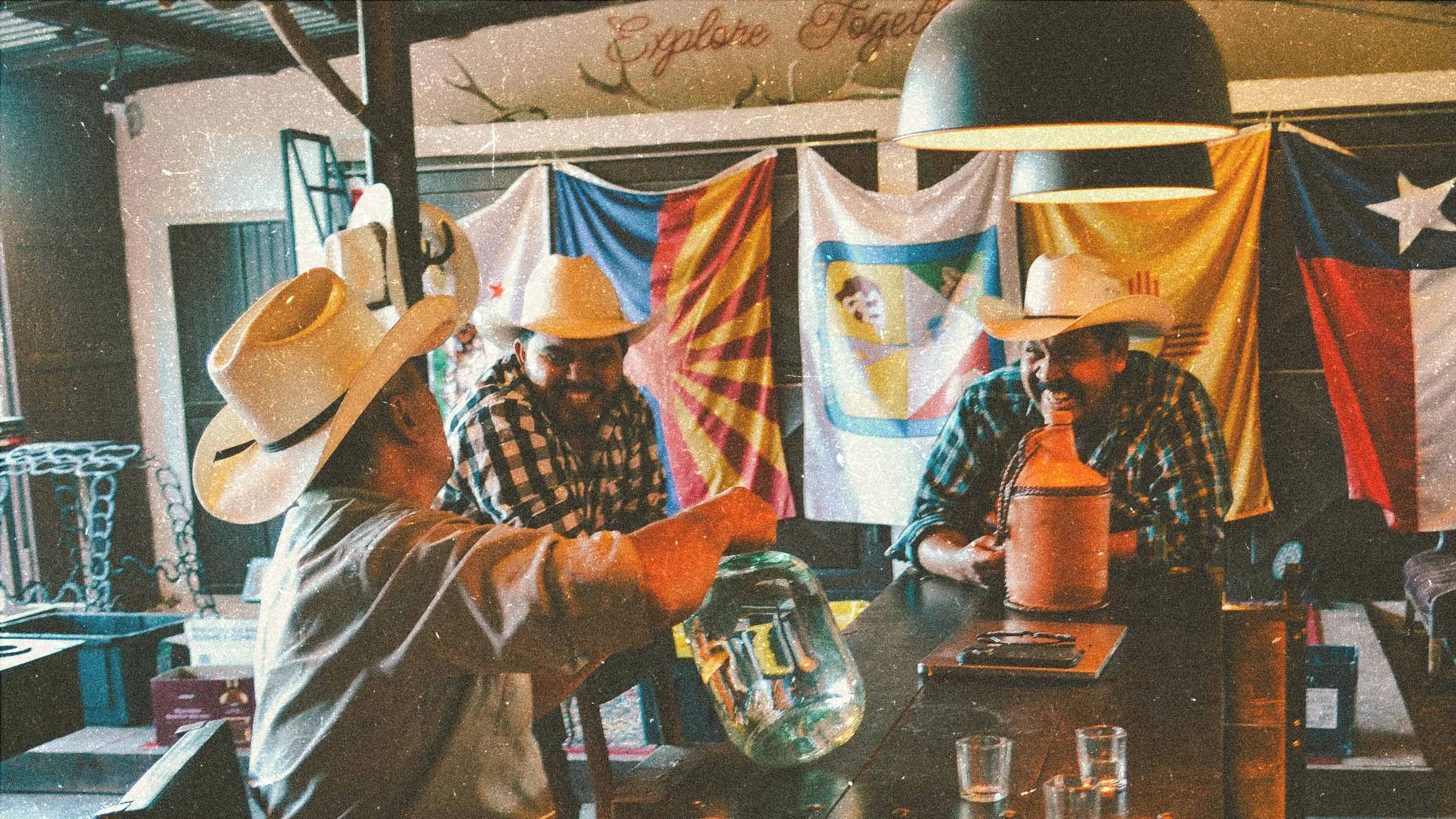
Most work is anonymous.
It’s produced. It’s delivered. It’s forgotten.
No one asks who made it.
Then there’s the other kind.
The kind you would sign.
When your name is attached, you work differently.
You notice the edge you almost ignored. You fix what no one else would see.
Because now it follows you.
Scale removes names.
Responsibility puts them back.
And once it’s signed,
it’s no longer just the work.
It’s you.
Borrowed mileage
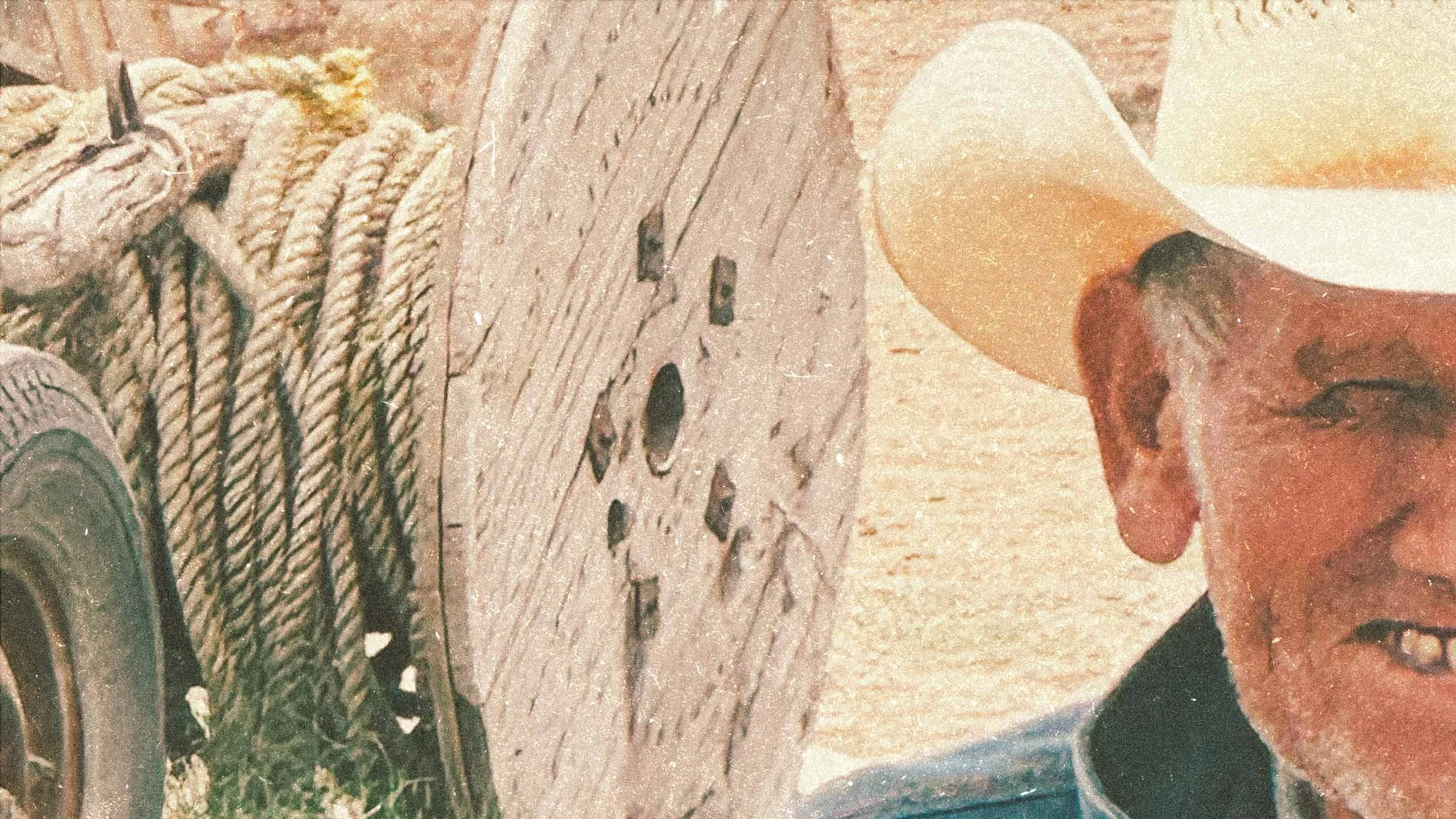
Some men carry miles the way others carry opinions.
You can see it before they speak. The way they sit a horse. The way they hold a rope. The way they don’t rush to explain.
The old cowboy who visits the ranch every now and then doesn’t advertise what he knows. He doesn’t need to. He’s won enough. Roped enough. Missed enough. Corrected enough.
His knowledge isn’t loud.
It’s available.
If you ask.
If you don’t, it stays with him.
Some people move forward by borrowing mileage. They ask. They listen. They take shortcuts built from someone else’s scars.
Others spend the same energy proving they already know.
One compounds.
The other protects something fragile.
Mileage doesn’t impose itself.
It waits.
Who understands the work?
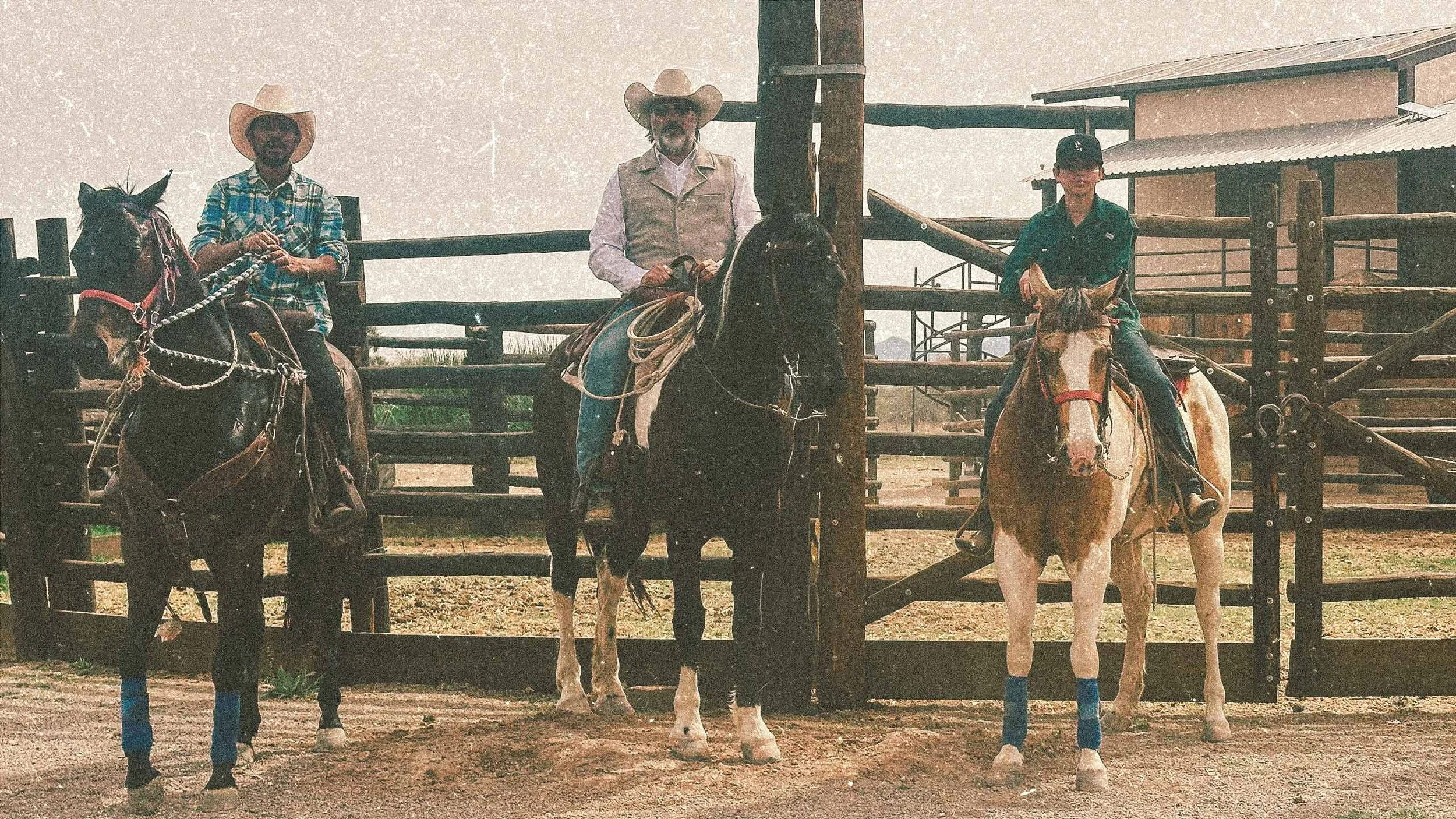
An AI agent isn’t a chatbot.
A chatbot answers.
An agent does the work.
It files. It books. It reconciles. It follows up. It checks the status. It clicks the buttons you used to click.
That’s a different category of software. Not advice. Labor.
Right now, most of that labor lives in one place: coding.
Engineers letting agents write code for engineers.
Clean environment. Reversible mistakes. Digital from start to finish.
Of course it started there.
But outside of software?
Hospitals still drown in insurance approvals and reimbursement disputes. Cities still process permits through layered reviews. Customs brokers still chase documents across borders. Small manufacturers still manage supply chains inside spreadsheets.
The agent market looks crowded because we’re staring at the cleanest corner of it.
It’s like judging the internet in 1998 by counting personal websites.
The real shift didn’t come from websites.
It came from software embedded inside industries—payroll, payments, CRM, logistics.
The messy parts.
Agents are at that moment.
Horizontal tools are loud. Vertical operators are quiet.
An agent that manages insurance approvals and reimbursement inside one hospital is more valuable than one that summarizes PDFs.
An agent that understands how one region clears cross-border shipments is more defensible than one that drafts generic emails.
The frontier isn’t more intelligence.
It’s understanding.
The question isn’t whether agents will replace work.
It’s who will teach them how the work actually works.
Under it
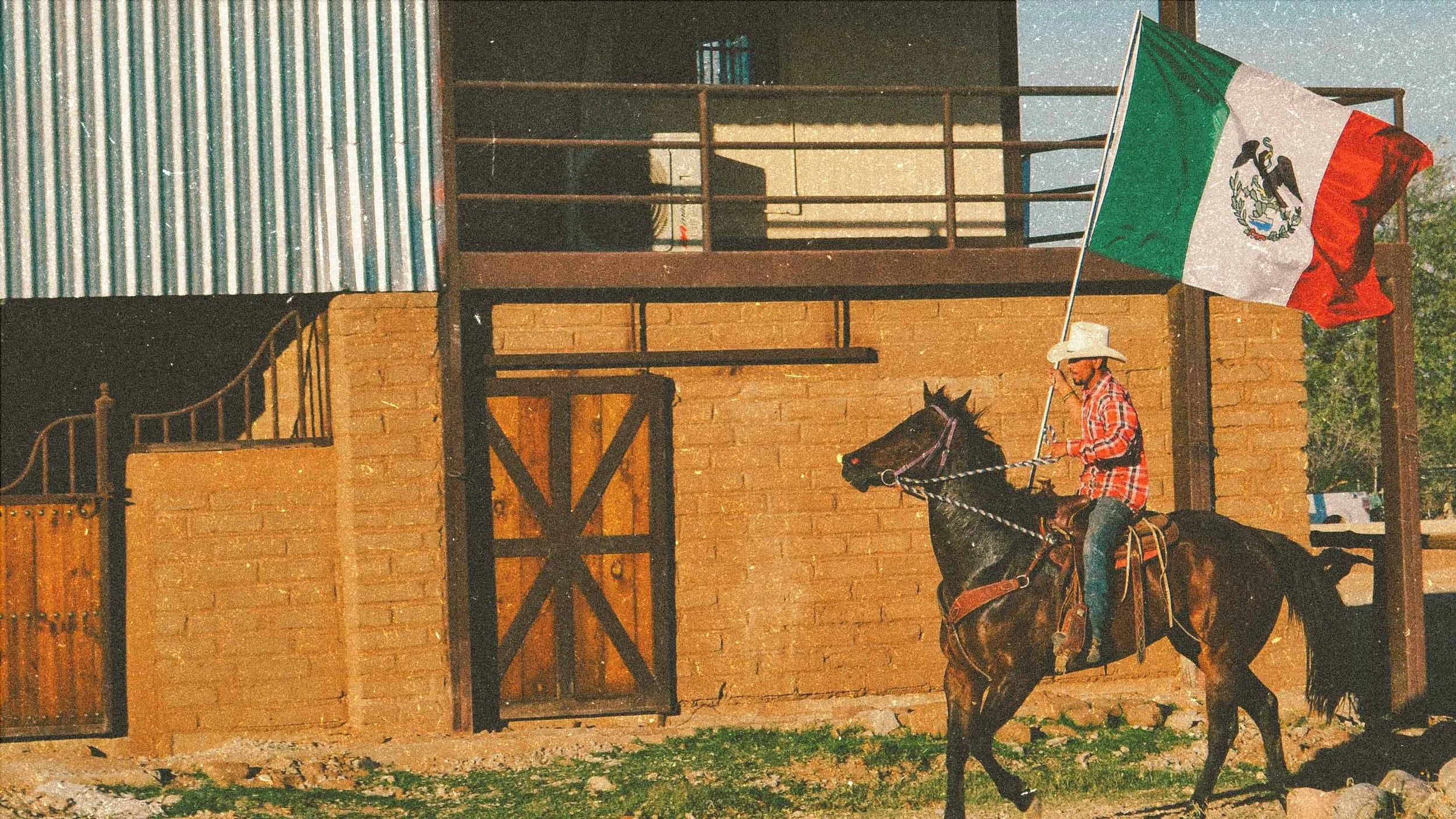
A flag is fabric.
Until someone stands under it.
Then it becomes a line.
Not on a map.
In behavior.
When you stand under a flag, you’re not waving cloth.
You’re choosing alignment.
These are my people. This is the story I accept. These are the consequences I’ll carry.
A flag doesn’t create belonging.
It reveals it.
And once it’s visible,
it changes what’s expected of you.
Not eager

Spend enough time around ranchers or in small towns and you notice it.
They don’t rush to speak. They don’t fill silence. They don’t volunteer themselves into the center of the room.
It’s not shyness.
In places where memory is long and reputation compounds slowly, eagerness is expensive. Talking too fast, agreeing too quickly, offering too much—these are signals. And not the ones you think.
Status there isn’t rented through visibility. It’s accumulated over time.
The one who speaks first risks lowering himself. The one who waits is measuring.
In cities—and online—it flips.
Speed looks like confidence. Volume looks like relevance. Certainty performs well.
So people learn to step forward quickly. To respond first. To be seen.
Move between these worlds without noticing and something breaks.
Digital eagerness in a room that values patience reads as insecurity. Rural silence in a room that requires clarity reads as absence.
Same person. Different outcome.
In some rooms, eagerness lowers you. In others, silence erases you.
The discipline isn’t noise or quiet.
It’s knowing where you are.
The center

You can measure your leadership by how much you carry.
Or by how much capacity grows around you.
When everything depends on you, you’re essential.
When others expand, you’re no longer the center.
Prosperity that must pass through you stops there.
Prosperity that expands beyond you multiplies.
Still invited

The advisor who asks for your strategic plan “just to understand the context,” then uses it to shape a parallel initiative.
The founder who says he’s exploring a partnership while quietly benchmarking your pricing for his own pivot.
The collaborator who insists on transparency, except when it’s his move that benefits from opacity.
The operator who volunteers to “coordinate the effort,” then positions himself at the center of every decision.
The executive who requests full visibility into your roadmap, but shares only fragments of his own.
The peer who asks you to speak openly in confidence, then selectively repeats what serves him.
None of it is explosive.
It’s deniable. It’s almost reasonable.
Until you keep giving them access.
Integrity rarely collapses in one act. It spreads through tolerance.
And the person it changes first isn’t them.
Default story
You don’t publish because you have something to say.
You publish to decide what stands.
A region is shaped by repetition.
What gets published, gets normalized.
What gets normalized, gets funded.
What gets funded, gets built.
Silence isn’t neutral.
Silence transfers power.
The microphone doesn’t stay empty.
If you don’t define what matters, someone with an agenda will.
SOFT POWER

No raised voice. No reminder of rank. No threat.
And still, the room adjusts.
No one was told to.
They just do.
You can’t demand it.
The moment you push,
it’s gone.