
Approved version

A project has a plan.
A movement has a belief.
A project has owners.
A movement has volunteers.
A project protects the message.
A movement lets other people tell it.
A project reduces risk.
A movement creates it.
That’s the difference.
If you can still approve every part of it—
it hasn’t begun.

Shared fire
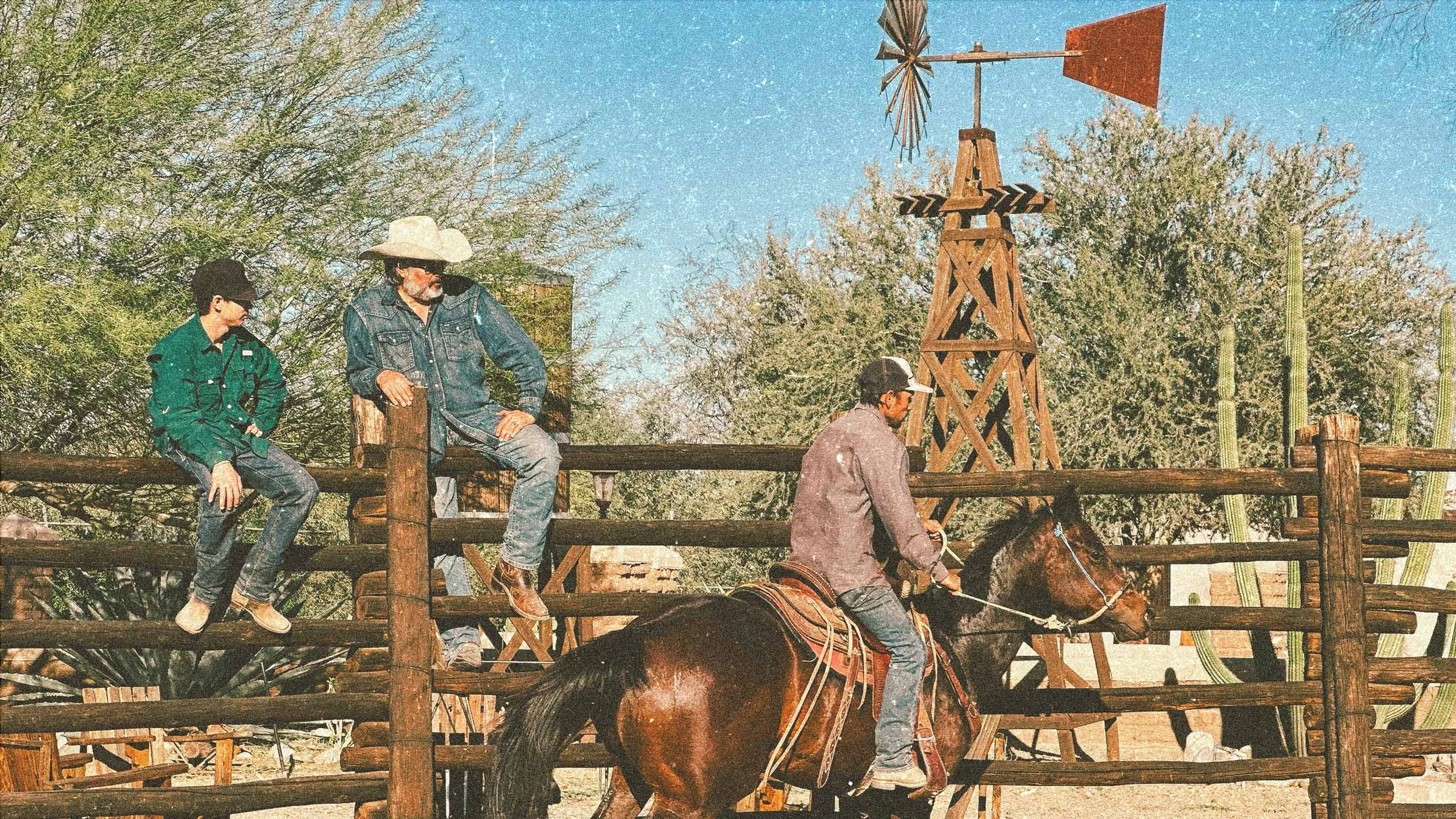
It began with a smoke kitchen. A bar. A fire.
At first, you decided what was cooked. What music played. Who was invited.
Then it started shifting.
Once the fire was steady, others began using it.
The foreman’s family prepares gallina pinta, pozole, menudo. The cook runs breakfasts and lunches. Visitors suggest design details to keep it authentic. Friends propose proper sound equipment for live bands. Regulars suggest who might belong next time.
The menu doesn’t start with you anymore. The ideas don’t either.
One of the regulars grows agave. Another produces bacanora.
Now small batches are made at the ranch with both of their work in it.
You thought you were hosting.
When they started shaping it, it stopped being yours.
That’s when it worked.
The seat

At first, you could afford to say it.
“I don’t think this will work.” “This isn’t what we promised.” “Why are we doing this at all?”
There was no seat to lose. No access to protect. No reputation to defend.
Now you’re trusted. Included. Expected.
You rephrase it. You soften it. You let it move forward.
It makes sense.
You used to be dangerous.

What you reward

Some people read maps.
They want to know where they are, where they’re going, and how to get there.
They move well on known ground.
Some people make maps.
They interpret the landscape. They turn ambiguity into instruction. They sell clarity.
Some people don’t wait for maps.
They move before the path is drawn. They carry a compass. They make new ground.
Explorers make the future. Map makers make it legible. Readers make it scalable.
All three matter.
You say you want explorers. You reward the map makers.
You say you value innovation. You promote predictability.
Center moves
You wanted it.
You worked for it. You sacrificed for it. You won.
Now it’s yours.
You earned it.
You tell yourself it’s only fair.
It became about you.
Nothing hidden

A public budget you can search like you search Google.
A contract that shows every change and who made it.
A public purchase you can track from announcement to payment.
A land title that can’t quietly change hands.
A permit queue everyone can see.
A record that doesn’t disappear when leadership changes.
Corruption prefers darkness.
Less darkness changes the math.
What it’s for

Systems don’t trap people. They select them.
They keep the ones who can live with the tradeoffs. They eject the ones who can’t.
So when a system produces outcomes you say you hate—corruption, obesity, pollution, addictive products, disposable work—
and you’re still in it,
the system isn’t failing you.
It’s serving you.
Just not the part of you that wants to feel principled.
Worth missing

Did you create specific value, or just occupy a slot?
Did you solve a problem your way, or follow the script?
Did anyone change their behavior because you were there?
Did anything depend on you?
Did you ever take a stand that cost you something?
Did you ever make a decision that couldn’t be undone quietly?
Did you ever put judgment, taste, or care on the line— knowing it might not work?
Being missed is a side effect of having risked something.
What survives

The world isn’t short on people who care. It’s short on people willing to choose them.
Caring more doesn’t decide what survives. Being chosen does.
Most effort disappears, not because it lacked intent, but because no one chose it.
That’s the market at work.
What lasts is what we pick.
First yes

Traction doesn’t come from the market.
Not at the beginning.
Early traction is local liquidity. A few people willing to try before it’s safe, before it’s proven.
That first yes rarely comes from strangers.
It depends on insiders. And it stalls when they won’t go first.
A university that teaches innovation but won’t use what comes out of its own classrooms.
A government that promotes entrepreneurship but won’t buy from local startups.
A large company that mentors founders but never uses what they build.
Not because the work is bad.
Because being first carries responsibility.
Buying something already famous feels safer. The blame isn’t yours.
Early traction isn’t a transaction. It’s a gift.
Traction isn’t about startups being good enough.
It’s about communities being brave enough to go first.
Just enough

The places I remember most felt obvious.
Nothing to decode. Nothing to justify.
They just acted like they understood why I was there.
And that was enough.
The cost
Suspend your own story.
Give up being right.
Enter a logic you don’t respect.
Listen without interrupting.
Don’t correct the facts.
Don’t optimize the conclusion.
Let the explanation stand, even if it bothers you.
Accept that it makes sense to them.
Stay in the discomfort without fixing it.
Leave without agreement.
Leave without winning.
Empathy is expensive. That’s why it’s rare.
Too early
Being misunderstood early isn’t a flaw. It’s a signal.
If everyone gets it right away, you probably didn’t choose anything.
You rounded the edges. You borrowed familiar language. You made it easy to agree with.
That’s not clarity. That’s camouflage.
The work that matters often looks wrong at first. Too narrow. Too quiet. Too specific. Too early.
So people question it. They mislabel it. They suggest improvements.
That’s the tax.
If no one pushes back, nothing has changed.
No boundaries

It starts small.
Answering the message you didn’t have time for. Fixing what wasn’t yours to fix. Letting a comment slide. Staying late once. Then again.
You call it flexibility. You call it being helpful.
Someone else calls it normal.
They ask again. They stop asking politely. They assume.
That’s not cruelty. That’s information.
The damage isn’t caused by bad people. It’s enabled by people who never say no.
Boundaries aren’t unkind. They’re the price of staying kind.
Without them, you don’t protect yourself. You teach others what they can take.
More like you
Being less like you costs more.
You explain yourself more than necessary. You maintain relationships that don’t quite fit. You say yes and feel the drag later. You adjust constantly and still feel off.
Being more like you simplifies.
Decisions get faster. Explanations get shorter. The wrong people leave early.
But this only works after one step.
Deciding what you stand for. And what you’re willing to let down.
Only then do you get a chance to be more like you.
The middle

Media stands in the middle.
Between what happened and what people heard.
When trust broke, the middle broke with it.
So we looked for a closer one. Someone human. Someone with a phone. Someone who felt like they had nothing to lose.
Influencers didn’t replace media. They replaced the distance.
For a while, that worked.
Then the incentives arrived.
Sponsors. Access. Algorithms. Expectations.
And the middle filled up again.
Trust erodes when people lie. It disappears when incentives accumulate.
Anyone who becomes the intermediary eventually has something to protect.
And once there’s something to lose, there’s something to shape.
The mistake isn’t trusting media. Or trusting influencers.
The mistake is outsourcing judgment to anyone standing in the middle.
Trust voices that would still tell the truth even if it cost them reach, access, or money.
A professional
Shows up and stays present.
Knows what to finish.
Ships on time.
Fixes what breaks.
Does the work when it’s boring.
Doesn’t wait to feel inspired.
Doesn’t confuse busy with useful.
Speaks clearly.
Changes course fast.
Lets go of bad ideas.
Asks for help without drama.
Doesn’t take failure personally. Or success.
Keeps promises.
Protects the outcome, not the ego.
Recognizes another professional immediately. And gives credit.
You don’t decide when you’re a professional.
That decision is made quietly by the people who trust you with real work.