
Ownership
We keep hearing that generalists are the future.
That knowing a little about many things is smarter. More flexible. More modern.
It sounds wise.
But markets don’t pay for awareness. They pay for outcomes.
For a long time, depth was enough. If you knew something deeply, you were trusted to decide.
That’s what made specialists valuable.
AI changes that.
Now knowledge is cheaper. Fluency is common. Options are everywhere.
What’s still rare is someone willing to decide. To commit. To live with the result.
Knowing a little about many things keeps your options open. Depth once closed them.
In an AI world, ownership does.
Beyond efficiency
In a world of startups, capital, and AI, what are we actually optimizing for?
We’ve gotten very good at efficiency. Speed. Leverage. Scale.
And what’s in short supply?
A willingness to take responsibility for the outcome.
Who ends up with more. Who ends up with less. Who works longer because it exists. Who carries the downside. Who never sees the upside.
The tools do exactly what we ask of them.
So the outcome isn’t accidental.
Proof

“I’m not ready yet.”
That one doesn’t need evidence. It just needs to sound responsible.
“Let’s wait and see.”
No timeline required.
“Someone else is better positioned.”
No names necessary.
Those land easily.
But then:
“Decide without getting one more opinion.”
“Stick with it after the excitement wears off.”
“Act on what you already know.”
Suddenly, we want proof. More context. One more signal.
We ask if it’s the right moment. If it’s smart. If it’s justified.
The first set preserves the story we tell about ourselves. The second one interferes with it.
So one feels reasonable. And the other feels premature.
Not because it’s unclear. But because it would change what we do next.
Pride
People love where they’re from.
They wear it. They talk about it. They defend it.
They share the food. The music. The jokes. The hard conditions they survived.
That creates affinity. It feels like belonging.
But affinity isn’t the same as skin in the game.
Skin in the game is putting your name next to something before it works. It’s backing the city publicly instead of benefiting from it quietly. It’s funding, defending, or supporting what you’ll later complain never existed.
That’s where pride gets quiet.
People celebrate the region — but won’t fund the work that would make it stronger.
They praise the culture — but won’t support the institutions that sustain it.
They complain there aren’t enough opportunities — while declining to back the ones being built.
They promote themselves — and wait for someone else to do the heavy lifting.
The place becomes a brand. Not a responsibility.
Everyone belongs. Almost no one commits.
Uncomfortable
It’s uncomfortable to say the thing everyone is circling but no one is naming.
It’s uncomfortable to ask for help before you’ve “earned” the right to ask.
It’s uncomfortable to slow a meeting down because the wrong decision is being rushed.
It’s uncomfortable to tell a respected person they’re the bottleneck.
It’s uncomfortable to do the right thing when it won’t change the outcome today.
It’s uncomfortable to help someone who can’t return the favor—or won’t remember.
It’s uncomfortable to keep your standards when lowering them would go unnoticed.
We tell ourselves we avoid discomfort to stay effective. To be practical. To be reasonable.
Discomfort isn’t the obstacle. It’s the line you decided was reasonable.
Less, on purpose
If you’re not respected, show up less. If you’re not heard, speak less. If what you contribute is taken for granted, contribute less. If your time is treated as unlimited, limit it.
This isn’t retreat. It’s choice.
Adding more rarely fixes disregard. It usually hides it.
What’s scarce gets noticed. What’s constant fades into background noise.
You don’t clarify your value by insisting. You clarify it by deciding where it no longer belongs.
Less isn’t absence. It’s direction.
The pause

Arguments don’t blow up because of disagreement. They blow up because of pace.
Someone speeds up. The other matches it. Now it’s not about the issue anymore.
The rare move isn’t the perfect sentence.
It’s slowing down without disappearing.
A breath. A softer tone. A signal that says, I’m not here to win you.
Here’s the uncomfortable part:
If slowing down feels like losing, you were never fighting for truth.
You were fighting to stay in control.
That’s the fight worth noticing.
Still nodding

There’s a moment when repeating yourself makes things worse.
Same words. More clarity. Less effect.
You think the problem is volume. Or timing. Or tone.
It’s not.
You explain why something didn’t work last time. They nod and try it anyway.
You warn someone about a shortcut. They take it, just to see.
You offer the answer. They ask a different question.
What’s fading isn’t the message. It’s the permission.
Listening would mean skipping a chapter. Agreement would mean inheriting a life.
So they nod. They comply. They detach.
Not because they disagree. Because they’re busy authoring something of their own.
The move isn’t to explain better. It’s to step aside long enough for discovery to happen.
Influence doesn’t travel down. It travels sideways.
And the moment you notice it slipping is usually the moment you’re trying too hard to hold it.
The exception
Smooth is easy to design. Care is not.
Care pauses. Care notices when someone hesitates. Care asks the question that wasn’t required.
That’s why it doesn’t scale.
Anything that feels generous but costs no time, no attention, no inconvenience usually isn’t generosity at all.
Think of the places you remember.
The table you were told to take, even though the system said no.
The dish that wasn’t on the menu, but showed up anyway.
The awkward pause at the register while someone fixed what would’ve been easier to ignore.
Those moments stayed with you because someone chose you over the process.
Something bent.
And that bend — that small, human detour — is the whole point.
If everything runs perfectly, nothing personal happened.
Without cover
The moment you put your work in the open, you lose your armor.
No policy to hide behind. No process to cite. No credentials to point at.
Just the work. And the person receiving it.
That’s why it feels dangerous.
Because once it’s out there, you don’t get to negotiate the outcome. You don’t get to explain it into being right. You don’t get to say, “That’s not what I meant.”
The power shifts.
Not to you. To the work.
Most people spend their lives building cover. Extra framing. Careful wording. Distance that feels safe.
Not because they lack talent. Because being seen without protection is expensive.
Real contribution doesn’t arrive padded. It can’t be defended. Only accepted or ignored.
And that’s the gift.
If you’re not a little exposed, you didn’t actually give anything away.
And if you still have all your excuses intact, you didn’t ship the work that mattered.
Before you play
Don’t start with the rules. Start with the winners.
Not the trophies. Not the posts. The lives.
The hours they keep. What they trade away. Who they’ve become to stay there.
Every game rewards something. That reward shapes the people who last.
If you don’t want their life, don’t copy their playbook.
The fastest way to lose yourself is to win a game you never meant to play.
Closer
Some people study to get closer.
Closer to power. Closer to influence. Closer to the people who decide.
So the rules are softer. So the doors open faster. So nothing important happens without them.
It feels practical. It feels smart.
And it builds weak places.
Because privilege doesn’t build capacity. It gathers it in one spot.
Talent waits outside. Ideas arrive filtered. Progress slows without anyone noticing.
There’s another choice.
Studying not to rise above others, but to lift the floor for everyone.
Not to get a seat at the table, but to make seats less scarce.
Equal societies aren’t generous.
They’re strong.
Study so closeness stops mattering.
Because systems don’t grow by who gets in.
They grow by who gets counted.
Wrong
Wrong timing.
Wrong shape.
Wrong tone.
Wrong people.
Wrong place.
Wrong scale.
Wrong incentives.
Wrong margins.
Wrong expectations.
Wrong priorities.
Wrong rules.
You called it wrong because that was easier than changing how you decide.
Disruption survives being dismissed long enough to make your approval meaningless.
The rehearsal
There’s a way to stay close to the life you want without ever risking it.
You study instead of creating. You talk instead of doing. You prepare instead of starting.
It looks responsible. It feels productive.
And nothing is really at stake.
A rehearsal can go on forever. The real thing doesn’t wait.
At some point, you have to stop perfecting the version that can’t hurt you.
And step into the one that can.
You stayed
You stayed after the excitement faded. After progress slowed. After the easy answers stopped working.
You stayed when the meetings got quieter. When fewer people clapped. When the work stopped being impressive and started being necessary.
You stayed when being right wasn’t enough. When effort didn’t guarantee outcomes. When certainty failed you.
And you stayed when leaving would’ve been easier. When quitting would’ve preserved the story. When staying meant carrying the mess instead of narrating it.
That’s when the work began to count.
And that’s when staying changed you.
Before it’s your job
When something goes wrong, three things usually follow.
Someone does nothing. Someone takes advantage. Someone steps in.
We like to think those moments are about courage. Or values. Or character.
They aren’t.
By the time it happens, the important decision is already over.
Somewhere earlier — on an ordinary day — a quieter decision was made: This probably won’t be my job.
Or: If it is, I’ll be ready.
No announcement. No drama. Just a private assumption about what kind of burden you’re willing to carry.
When pressure shows up, it doesn’t change anyone. It only exposes what was already decided.
And when the moment arrives, there is no choosing left. Only that decision showing up.
By default
Every day, you move a centimeter.
Not enough to notice. Not enough to stop.
But centimeters add up.
That’s how people become more patient than they were last year. And it’s also how they become more selfish. More rigid. More impressed with themselves.
No one starts out distant. Indifference isn’t where we begin.
It’s where we arrive.
Not by choice. By not paying attention.
We like to think becoming someone worse requires a moment — a line crossed, a decision made.
It doesn’t.
Drift is quiet. Convenience steers. Comfort votes.
And then you notice where you are.
Here’s the uncomfortable part:
Your future self is already under construction.
Not by what you promise to do later, but by what you tolerate now.
Attention changes direction.
And here’s the truth that matters:
If you don’t decide who you’re becoming, time will be happy to decide for you.
Offstage
Some of the most revealing moments in a life happen when nothing is at stake.
No audience. No credit. No record of it later.
It’s how you behave when there’s no upside.
How you talk about people who aren’t present. What you do with small power that goes unnoticed. Whether you return the cart. Whether you tell the truth when it would be easier not to.
These moments don’t feel important.
That’s why they work.
When someone is watching, we manage ourselves. We curate. We signal.
When no one is watching, there’s nothing to win.
So what’s left is you.
That version compounds.
It shapes how you decide under pressure. How you treat people who can’t help you. How you respond when the rules are vague.
Here’s the part we don’t like to admit:
If the best version of you only shows up in public, it isn’t the real one.
Character isn’t built in the spotlight. It’s rehearsed offstage.
Long before it’s tested.
And long after everyone stops clapping.
They’re big
They have size.
Scale. Recognition. Distribution. Meetings about meetings.
That only helps them if it scares you into copying them. If it pushes you to blend in. If it convinces you the safest move is to join them.
That’s the mistake.
Because size comes with weight.
Big organizations have momentum. They also have inertia.
They move carefully. They protect what already works. They optimize yesterday.
You don’t have that problem.
You’re faster. You can decide without permission. You can change your mind without a committee. You can focus on one thing and do it well.
That’s unsettling.
Not because you’re louder. Because you’re harder to predict.
Small doesn’t win by pretending to be big. Small wins by being specific.
Choosing a point of view. Saying no more often than yes. Doing work that doesn’t scale because it doesn’t need to.
That’s the part they can’t copy quickly.
So don’t hide your size. Don’t apologize for it. Don’t rush to outgrow it.
Use it.
Take a stand.
That’s when small stops looking harmless and starts looking intentional.
The costume
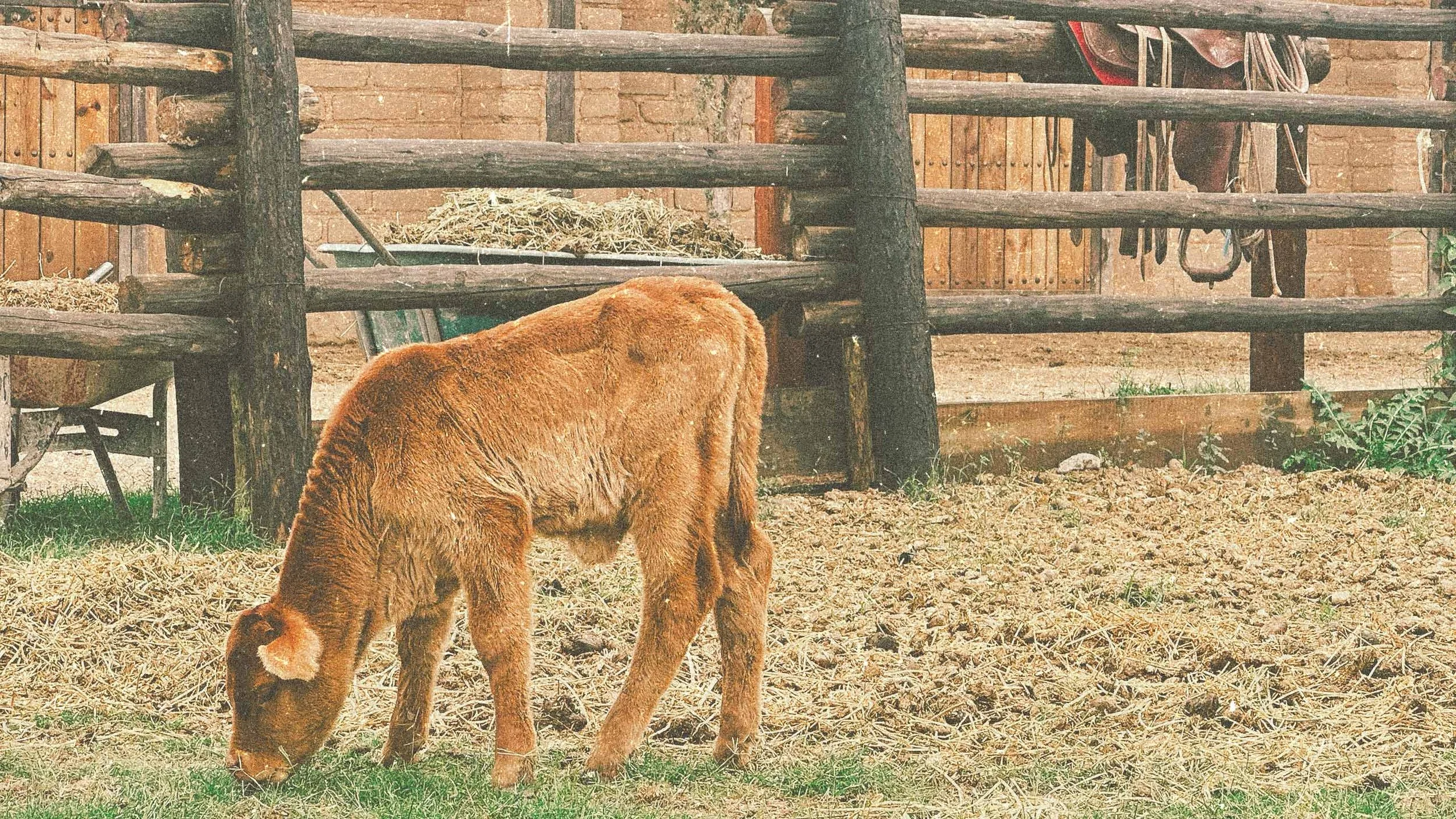
Traditions don’t start as aesthetics.
They start as answers.
To scarcity. To place. To time. To limits.
Someone did something a certain way because they had to. And over time, that way became meaningful.
What spreads next isn’t the reason. It’s the imitation.
The look. The language. The cues.
(The overwritten menu. The reclaimed wood. The vintage logo. The heritage experience.)
None of these are wrong.
They’re just incomplete.
So we get the surface without the source.
The ritual without the responsibility. The story without the sacrifice. The experience without the discipline that created it.
It feels right. It photographs well. It earns approval.
But it’s hollow.
Here’s a simple test:
If you remove the constraint and keep the label, you didn’t preserve the tradition.
You dressed it up.
Real traditions are expensive. They cost time. They cost margin. They cost saying no.
That’s why they mattered.
When the story becomes louder than the practice, the practice becomes optional.
And what’s left isn’t culture.
It’s a costume.