
Past the map
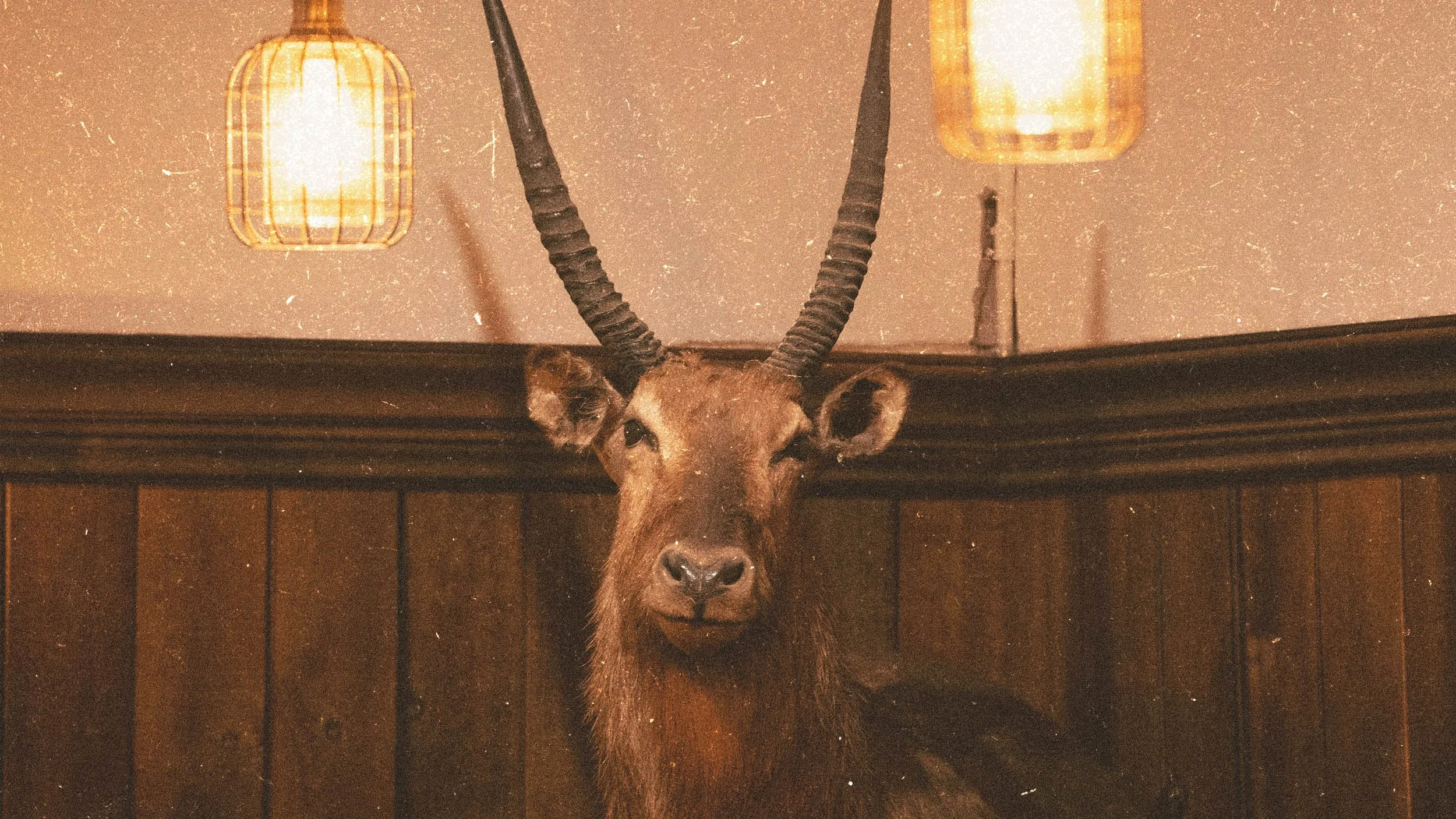
It’s the oldest trick in the book — folks who just learned the map start acting like they drew it. Beginners mistake familiarity for mastery, and confidence for truth.
Real experts sound different. They ask more questions. They talk less. They know where the edges are — because they’ve ridden past them before.
The danger isn’t ignorance — it’s thinking you’ve got nothing left to learn. That’s when the blind spots grow.
The best hands keep learning even after they look like they know — because the land has a way of reminding you: the moment you think you’ve seen it all, you’ve barely started.
Dance with it
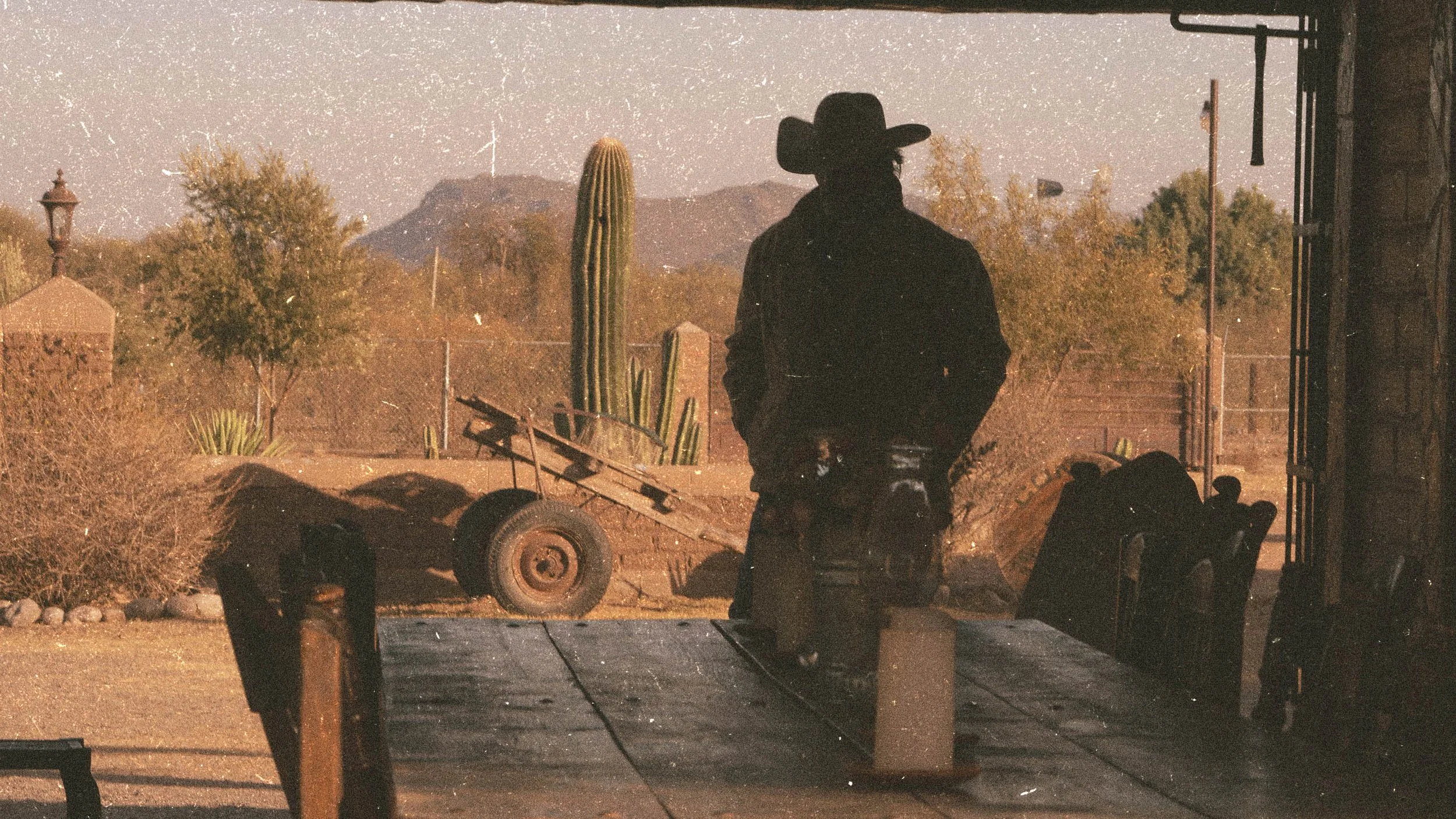
Fear never leaves. It just changes clothes.
You don’t beat it by getting braver. You beat it by moving anyway — with it, not against it.
Most folks wait for courage to show up before they act. The ones who get somewhere know it’s the other way around.
You dance first. Courage joins later.
B5 Is Coming Together
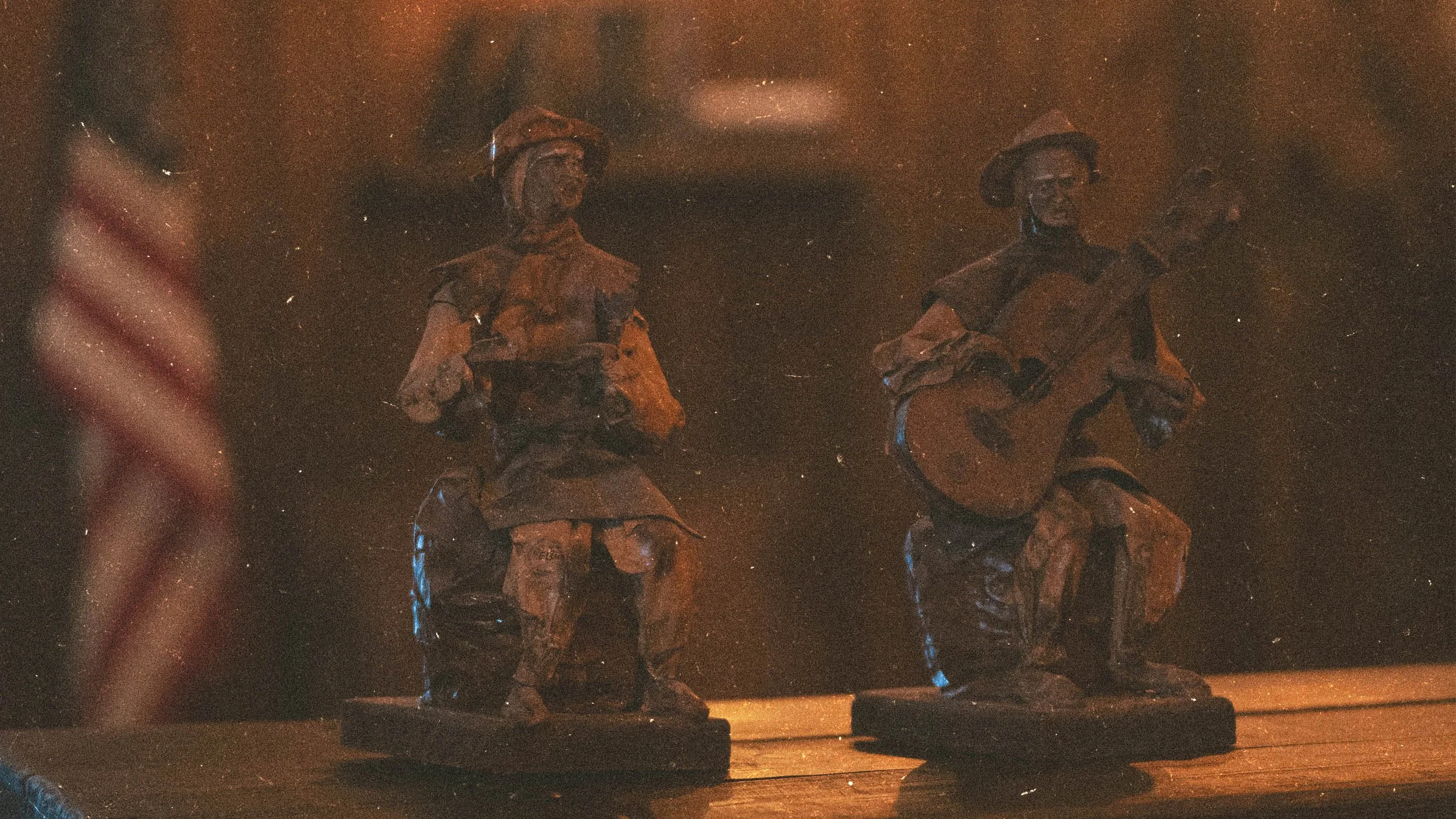
Every week, the place feels a little more itself.
The hornillas are burning again — the adobe oven back in use, the smell of mesquite in the air. We finished the underground pit for Sonoran-style cooking — slow fire, deep flavor. The Outpost bar’s open too — part honky-tonk, part meeting ground, where ideas and songs share the same table.
Three new colts this season — good stock, curious and quick. And the foreman welcomed his third boy — three sons and a daughter now, a whole new crew learning the rhythm of the land.
The dam’s full again. The rains were good this year, and the land’s giving back — green, alive, generous.
B5’s becoming what we hoped for: a working place that teaches patience, rewards care, and reminds us that every corner matters when you’re building something meant to last.
The BI5ON Code isn’t written here. It’s lived — in every post set straight, every fire kept burning, every next generation raised to keep the land alive.
The compass fallacy
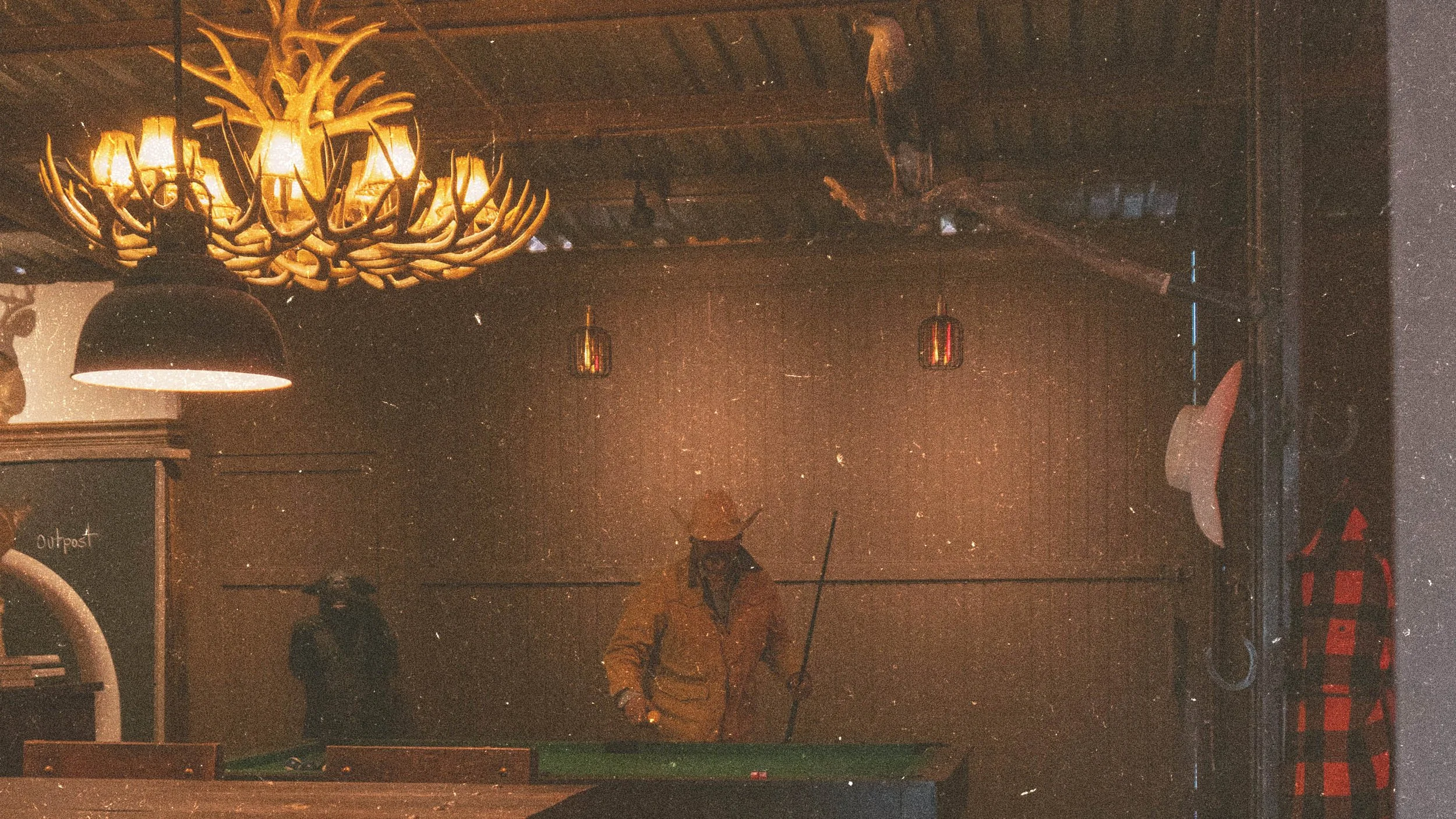
Working on slides makes you look smart. But slides don’t find water.
There’s a kind of progress that happens indoors — neat charts, clean logic, the comfort of knowing where north is. And there’s the other kind — boots in the dark, one lamp, one pick, one compass that only works half the time.
Both matter. But don’t confuse the one that points with the one that moves.
The map won’t change until someone steps off it. And the best discoveries never started with perfect data — just someone willing to trust direction long enough to find new ground.
The part that holds

Tools change. Methods shift. We move from paper to pixels, from handshake to tap.
But what doesn’t change is what we’re chasing underneath it all — to be trusted, to be useful, to be proud of the work.
New can make things faster, easier, even better. But it can’t replace meaning. That still comes from the same place it always has — doing the work right, and doing right by others.
The world updates. Values don’t.
Still empty
You hit the goal. Sign the deal. See your name where you once dreamed it’d be. And for a minute, it feels like you’ve arrived.
Then you start watching yourself. The numbers. The praise. The story you’re telling about the story you’re living.
And that’s when it slips — the work loses its edge, the hunger dulls, the meaning fades into mirrors.
The more you look at it, the less it feels like yours.
You think you’re chasing progress, but you’re just chasing your own reflection.
The emptiness isn’t failure. It’s a warning — to stop looking, and start doing again.
The adaptation effect
It’s not the biggest herd that survives the drought — it’s the one that moves first.
You see it everywhere. Companies that once ruled the market, gone. Tools that built fortunes, forgotten. Ideas that sounded eternal, outdated before the ink dried.
The ground always shifts. Those who last don’t fight the change — they read it. They watch where the dust’s blowing, and turn before it blinds them.
That’s the real edge — not strength, not size. Just the humility to learn faster than things break.
The storm never asks who’s toughest. It only asks who’s paying attention.
The network that gives back
The first networks ran on trust. You shared, I shared, and we both got stronger. That’s how the web began — one honest exchange at a time.
Then came the platforms. They kept the growth, but not the fairness. Your clicks trained their machines. Your time built their empires. The network still worked — just not for you.
Now AI runs on what people gave away for free. And blockchain — slower, transparent, unbending — is trying to take some of it back. To build rails everyone can use, not just the few guarding the gate.
So before you build the next big thing, ask yourself: Does every new hand that joins gain strength — or just give more of it up?
Because networks don’t stay neutral. They either serve the people who build them, or feed on the people who do.
Fair ground doesn’t just appear. It’s built — piece by piece, by people who refuse to take more than they give.
Most networks end up serving the few. The work now is to build the kind that gives back.
The gift of scarcity
Plenty makes folks soft. Too much feed, and even good horses get lazy.
The best hands I’ve known learned in the lean years —when wire was short, when parts were patched, when you fixed things with grit instead of gear.
Scarcity’s a tough teacher, but its lessons stick. It don’t hand out comfort — it hands out clarity. It shows you what matters, and what you can do without.
Big budgets build noise. Tight ones build nerve.
Every strong outfit started hungry — no fancy tools, no safety net, just will.
That’s the gift of scarcity. It strips you down till only the real stuff’s left — and that’s the part that lasts.
The wrong trip
Most failed ecosystems don’t fall from bad ideas. They fall from polite agreement.
Everyone nods in meetings — government, business, universities — but few say what they really think. And before long, the whole region’s halfway to Abilene, working on plans nobody truly believes in.
That’s how alignment turns into drift. Money gets spent, reports get written, and the work loses its edge.
Real integration needs friction. The kind that tests ideas, not egos. The kind that builds trust by earning it.
Progress doesn’t come from silence. It comes from saying, “this part’s not working,” and staying long enough to fix it.
If the trail feels off, stop the convoy. Better a pause now than another trip to nowhere.
Moving targets

Opportunity doesn’t wait around. It moves — like weather.
Carlota Perez says it rides on two currents: time and place. The right technology at the right moment. The right region ready to catch it.
Miss either, and it passes you by.
That’s what makes growth hard. It’s not about knowing what’s coming — it’s about being ready when it does.
Sonora’s in that window now. Clean energy. Advanced manufacturing. Semiconductors. All shifting fast, all looking for steady ground.
The question isn’t if the wave’s coming. It’s whether we’ll be lined up when it hits.
That’s what the BI5ON Executive Briefing Center helps leaders see — where the window’s open, and how long it’ll stay that way.
Because timing fades. But the ones who read it right — they build what lasts.
First sparks

Semicon Desert is the start of Sonora’s semiconductor design movement — a place where engineers learn together, build together, and put new ideas to work.
The first challenge is about AI sensors. Teams are building real prototypes, training models, testing signals, and proving what local talent can do.
Every sensor built teaches something new. Every dataset shared makes the next build faster. Every hand that joins raises the whole region’s game.
This is how industries begin — people learning by building, and building by believing the next version will be better.
Both hands full

Hope’s a liar if it won’t look the truth in the eye. And truth’s a killer if it forgets what hope can do.
The best hands I’ve known carry both.
One for the facts — the dead calf, the busted pump, the dust that won’t quit. One for the faith — the rain that’s coming, the grass that’ll rise, the herd that’ll fatten again.
Too much of either, and you’re lost. Blind if you only dream. Bitter if you only count.
The hard part ain’t surviving the season. It’s doing it without losing your balance.
That’s where the real grit lives.
the ground gives back
Land keeps score.
It remembers who showed up, who mended what broke, who worked without being seen.
You can’t buy that kind of standing — you earn it, one honest day at a time.
And when you do, the ground changes. It holds you different. Feeds you different.
You save the place that made you — and it saves you right back.
Bigger hunt

Every hand’s got a choice — chase rats or become a lion. The first keeps you fed. The second keeps you growing.
But you can’t do both. Big work asks for hunger — the kind small wins can’t satisfy.
Most stay busy catching what’s easy. Safe. Predictable. Forgettable.
The few who rise? They lose the appetite for rats. They go quiet.
And when they move again, it’s for more than survival.
Same dust

Ranching’s never been easy. Markets swing. Borders tighten. Feed climbs higher every season.
But the herd still eats. The work still calls.
You can’t control the market, but you can control how you face it. Feed smarter. Waste less. Move as a crew, not alone. Buy and sell with neighbors who ride the same land, breathe the same dust — on both sides of the line.
That’s where strength comes from — not luck, not headlines. From ranchers helping ranchers, crossing fences instead of building them higher.
Hard seasons hit the lone riders first. But the ones who work side by side find footing even when the ground shifts.
Prices will turn. The land will stay. And when it does, the hands that kept each other standing won’t need to start over.
Good trouble

There’s a kind of obedience that kills ideas. The kind that nods, waits, and never asks why.
Looks polite. Feels safe. Builds nothing.
The best hands don’t just follow orders. They listen, question, and take the risk to make it better.
That’s not defiance. That’s care with a spine.
Silence keeps things smooth, but it also keeps them small.
Progress needs friction — the kind born from people who care enough to push back, even when it’s easier to stay quiet.
That’s the good kind of trouble.
KEEP RIDING

Most folks wait for the big idea. The perfect day. The clear trail.
But progress don’t come in bursts. It comes in steps — steady, quiet, one after another.
That’s why we write every day. Not because every line’s gold, but because showing up is.
Consistency don’t look heroic. It’s dusty, slow, sometimes dull. But it builds what talent never will — trust in your own word.
You keep the habit, the habit keeps the edge.
And one morning, you’ll look back and see the ground you’ve covered didn’t come from inspiration. It came from staying in the saddle.
After the shine

New things fool you. Bright paint, clean leather, big talk. All of it looks ready for the long haul.
But time sorts truth from polish. The shine fades, and what’s left is what’s earned — the mark of hands that used it, of work that wore it right.
That mark’s called patina.
It don’t come quick, and it can’t be faked. You can rub dirt on boots, but not miles. You can scratch steel, but not history.
Patina ain’t style. It’s proof.
Proof you stayed. Proof you worked. Proof you kept your word when it got hard.
Anyone can buy new.
Only time can make true.
Bigger herd
They say in Texas you don’t share land — you fence it. Makes sense, if all you want’s your own stretch of dirt.
But fences don’t grow grass. And pride don’t feed cattle.
You can spend your life guarding acres, or you can build a herd that runs farther than your fence line.
Zero-sum thinking’s for folks afraid to trust. The rest of us trade water, trade help, and move together.
That’s how you make a desert bloom.